 St. Petersburg
 Metal Roofing in Snell Isle: A Different Kind of Roof for a Different Kind of Neighborhood
Snell Isle sits closer to the water than most of St. Petersburg, and that changes what a roof needs to do. Homes here tend to be custom-built, often with Mediterranean or Spanish-influenced rooflines, and many sit close enough to the bay that salt-laden air is a daily fact of life rather than an occasional nuisance. A roofing system that works fine three miles inland can age noticeably faster out here. When we quote metal roofing for a Snell Isle property, we're factoring in wind exposure, salt corrosion, and often an architectural style that calls for a specific panel profile — not just a generic "metal roof" recommendation.
This page covers what metal roofing actually involves in this specific neighborhood: the climate factors, the system choices, what a correct install looks like, and why local experience matters more here than it does for a roof a few miles away from open water.
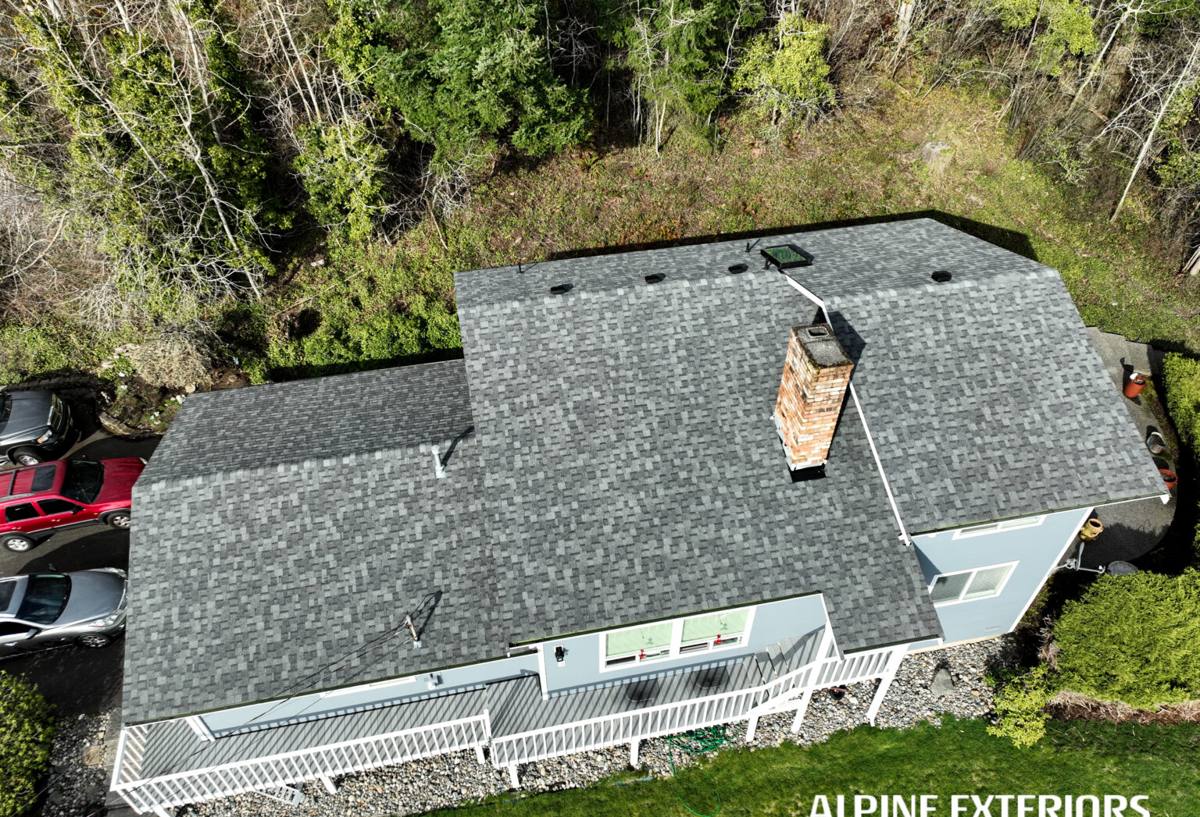
What Pinellas County's Climate Demands From a Metal Roof
Florida's building code already assumes hurricane-force wind is a matter of when, not if, and roofs near the water get tested by it more often than roofs further inland. A metal roofing system on Snell Isle has to hold up to a specific combination of stresses:
- Wind uplift. Hurricane-force gusts don't just push down on a roof — they create suction that tries to pull panels and fasteners upward. Fastening pattern and clip design matter as much as the panel itself.
- Wind-driven rain. During a tropical storm or hurricane, rain doesn't fall straight down — it drives sideways under panel edges and through poorly sealed penetrations. Underlayment and flashing details carry a lot of the actual waterproofing burden.
- Salt air corrosion. Proximity to the bay means airborne salt settles on metal surfaces year-round. Fastener quality, coating type, and even how dissimilar metals are kept from touching each other all affect how long a roof stays corrosion-free.
- Constant UV exposure. Florida sun is intense and year-round, not seasonal. Paint finishes and coatings degrade faster here than in most of the country, which is why finish quality is worth paying attention to.
None of these factors are unique to Snell Isle, but their combined intensity is higher this close to open water — which is why we treat waterfront and near-waterfront properties as a distinct category, not an upsell.
Choosing the Right Metal Roofing System
"Metal roofing" isn't one product — it's a category, and the right choice depends on the home's architecture, budget, and how much salt exposure the property actually gets. We walk homeowners through the real trade-offs rather than pushing one system by default.
Standing Seam Panels
Standing seam is the system most people picture when they think "metal roof" — long, vertical panels with raised, interlocking seams and no exposed fasteners on the field of the roof. Because the fasteners are hidden under the seams, they're not exposed to weather or UV, which is a real advantage in a high-salt environment. It's a strong match for modern or transitional home designs, and it performs well against wind uplift when properly engineered clips are used.
Stone-Coated Steel
Stone-coated steel panels are formed to mimic the profile of tile or shake while carrying the wind and impact performance of steel underneath. This is often the better fit for the Mediterranean and Spanish-style homes common in older, established St. Petersburg neighborhoods, since it preserves that visual character without the maintenance burden and weight of real clay or concrete tile.
Metal Shingles and Tile-Profile Panels
These sit between the two above — a shingle- or tile-look panel system that can be a good option on homes where a full standing seam look isn't desired but stone-coated steel isn't the right price point either. Fastener exposure and seam detailing vary more by manufacturer with this category, so we're careful about which products we'll stand behind here.
| System | Look | Best Suited For | Key Advantage Near the Water |
|---|---|---|---|
| Standing Seam | Clean, linear, modern | Contemporary or transitional homes | Concealed fasteners resist salt corrosion |
| Stone-Coated Steel | Mimics tile or shake | Mediterranean, Spanish, traditional styles | Steel core with lighter weight than real tile |
| Metal Shingles/Tile-Profile | Segmented, textured | Homes wanting a shingle look with metal durability | Mid-range cost with metal's wind performance |
What a Correct Metal Roof Installation Actually Involves
Metal roofing has a reputation for durability, but that reputation only holds if the installation underneath the panels is done right. A metal roof is only as good as the details most homeowners never see.
Deck Prep and Underlayment
Before any metal goes down, the roof deck gets inspected and repaired as needed, and a high-quality synthetic or self-adhering underlayment goes over the entire surface. In a wind-driven rain environment, this underlayment is the real second line of defense if any water gets past the panels.
Fastening and Wind Uplift Resistance
Fastener spacing, clip type, and panel gauge all need to match the wind loads required by Florida building code for the home's specific location and exposure category. Cutting corners here doesn't show up as a problem until the first real storm.
Flashing and Penetrations
Chimneys, vents, skylights, and wall transitions are where most roof leaks actually originate — not the open field of the roof. Correctly formed and sealed metal flashing at every penetration is non-negotiable, especially given how much sideways-driven rain this area sees during storm season.
Ventilation
Proper attic and roof ventilation keeps heat and moisture from building up under the panels, which protects both the roofing system and the wood structure beneath it. This is easy to overlook but has a direct effect on how long the whole system lasts.
Metal Roofing Cost Factors in Snell Isle
Every metal roofing quote should be able to explain its number. Here are the factors that actually move the price on a project in this neighborhood:
| Factor | Why It Affects Price |
|---|---|
| Panel system chosen | Standing seam, stone-coated steel, and metal shingles carry different material and labor costs |
| Roof complexity | Steep pitches, multiple valleys, dormers, and turrets common on custom homes add labor time |
| Deck condition | Rot or damage found during tear-off needs repair before new panels go down |
| Fastener and flashing spec | Corrosion-resistant fasteners and properly formed flashing cost more but matter most this close to the water |
| Wind rating required | Higher wind zones may call for tighter fastening patterns or heavier gauge panels |
| Access and site logistics | Waterfront lots, tight side yards, or limited staging space can affect crew efficiency |
We won't quote a firm number without seeing the roof — pitch, layout, and deck condition all swing the estimate too much to guess from a phone call.
Our Process
- On-site inspection. We walk the roof, check the deck, and note anything — old damage, ventilation issues, tricky flashing points — that affects the plan.
- System recommendation. We go over the panel options that fit the home's architecture and the homeowner's budget, with honest pros and cons for each.
- Written estimate. A clear, itemized quote — no vague allowances hiding scope we haven't accounted for.
- Permitting. Metal roofing in Pinellas County requires permitting and inspection tied to current wind-load code; we handle that process rather than leaving it to the homeowner.
- Installation. Tear-off, deck repair as needed, underlayment, panels, flashing, and ventilation — done in that order, correctly, every time.
- Final walkthrough. We review the finished roof with the homeowner and make sure every question is answered before we consider the job done.
Maintenance in a Salt Air, Waterfront Environment
A well-installed metal roof needs less maintenance than most other roofing types, but "less" doesn't mean "none" — especially this close to the bay. A simple annual check goes a long way toward protecting the investment:
- Rinse accumulated salt residue and debris off the roof surface periodically, particularly after long dry stretches followed by storms.
- Check sealant at penetrations and flashing points for cracking or shrinkage, since sealant ages faster under constant UV than the metal itself.
- Keep gutters and valleys clear so water isn't sitting against panel edges or fasteners longer than it needs to.
- After any major named storm, have the roof looked at even if there's no visible interior leak — wind can loosen fasteners or lift panel edges without an immediate sign inside the house.
Why Hiring a Crew That Already Works Snell Isle Matters
Neighborhoods this close to the water come with details that a contractor unfamiliar with the area can miss. We've found a few things consistently matter here:
- Wind mitigation and insurance documentation. Florida insurers often require specific wind mitigation forms and inspection documentation for roof replacements — getting this right the first time avoids delays in coverage or premium adjustments.
- Architectural consistency. Custom and higher-end homes in established St. Petersburg neighborhoods often call for a panel profile that respects the existing roofline and style, not just whatever's fastest to install.
- Site access on waterfront and canal-front lots. Tighter lots, seawalls, docks, and landscaping near the water can all affect how a crew stages material and equipment safely.
- Salt-aware material specification. Choosing fasteners, flashing metal, and coatings that actually hold up to this specific level of salt exposure — not just what's standard for a roof five miles inland.
A contractor who's worked in Snell Isle before has already run into these details and built them into how they plan and price a job — which usually means fewer surprises for the homeowner during and after installation.
If you're weighing metal roofing options for a home in Snell Isle, we're glad to take a look and walk you through what your specific roof needs — no pressure, no obligation. Use the form below to request a free estimate.