 St. Petersburg
 Siding Replacement for a Neighborhood That Doesn't Look Like Anywhere Else
Historic Old Southeast is one of the older, more architecturally distinct residential pockets in St. Petersburg — a mix of early-to-mid-20th-century bungalows, Mediterranean Revival details, and mature tree canopy that gives the streets a character new construction can't replicate. That same character is exactly what makes siding replacement here different from a standard job. You're not just covering a wall; you're deciding how a house that's stood for eighty-plus years will look, weather, and hold up for the next eighty. That takes a crew that treats the existing architecture as something worth respecting, not something to paper over with whatever's cheapest and fastest.
This page is about one job, in one place: replacing the exterior siding on a home in Historic Old Southeast. Not a general overview of siding options citywide — the specific realities of doing this work correctly on an older home in this part of St. Petersburg, Pinellas County.
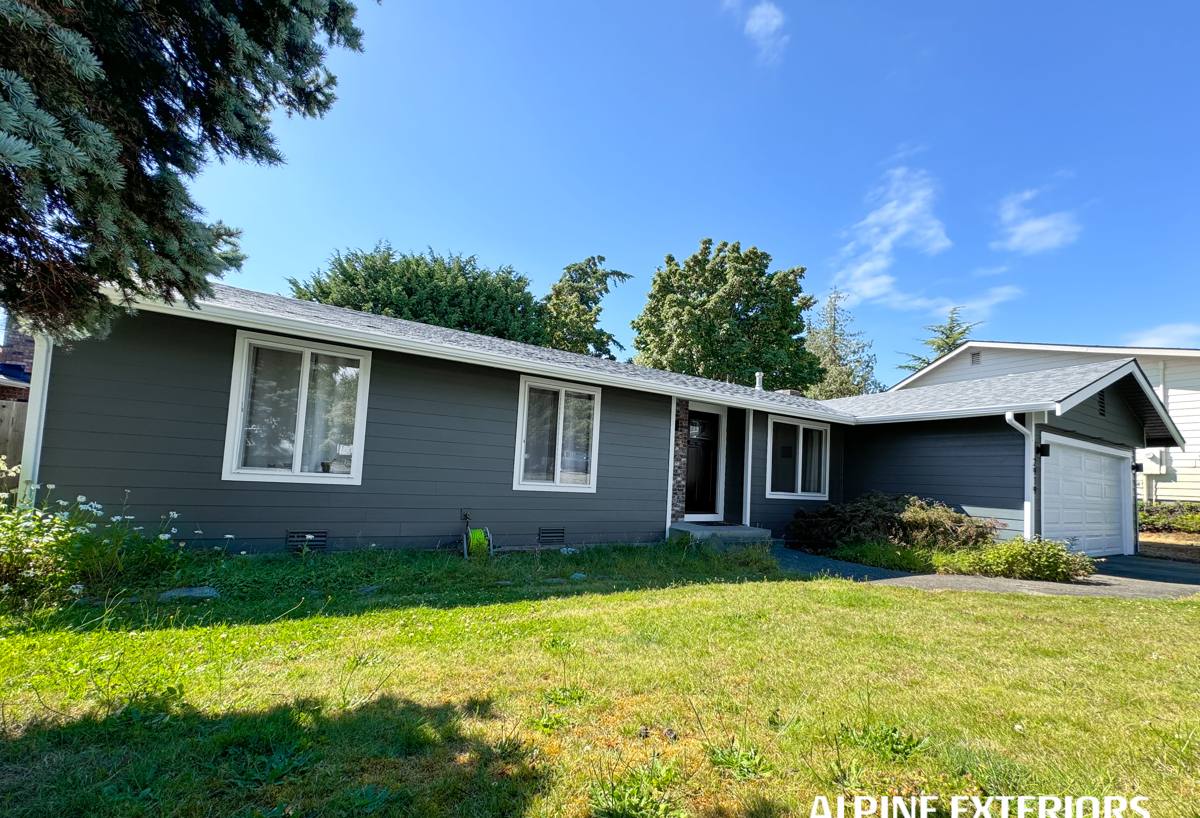
What Historic Old Southeast Homes Are Actually Fighting Against
Hurricane-Force Wind
Pinellas County sits on a peninsula, and every storm season brings the possibility of sustained hurricane-force wind loads on exterior walls. Siding isn't just a look — it's a structural skin that has to stay fastened and intact under uplift and lateral pressure. Older homes were often sided decades before modern wind-load fastening standards existed, which means what's on the wall now may not meet what current code, and current storms, actually demand.
Wind-Driven Rain
Wind and rain rarely arrive separately here. Wind-driven rain gets forced sideways and upward into laps, seams, and trim joints that would stay dry in a calmer climate. On an older home, decades of small water intrusion at those joints is a common reason siding looks fine from the street but hides soft, water-damaged sheathing underneath.
Year-Round UV and Salt Air
St. Petersburg gets intense sun essentially twelve months a year, and homes in this part of the county also sit close enough to the water to pick up a steady dose of salt-laden air. UV breaks down paint films and less-durable siding materials from the outside; salt air accelerates corrosion of fasteners and trim hardware and speeds up the general weathering of anything not built for a coastal climate. The two work together, which is why siding that performs well in a drier, cooler climate often underperforms here.
What's Likely Already on These Walls
Every historic home is different, but a few patterns are common enough in homes of this era that they're worth knowing before you start:
- Original wood lap siding — often still structurally sound in spots, but decades of paint, patching, and Florida humidity usually mean it's failing somewhere, even if it looks fine from the curb.
- Asbestos-cement shingle siding — a common siding choice on homes built through roughly the 1960s and 70s. If your home falls in that build window and still has its original siding, this is worth confirming before any removal work begins, since it requires specific, careful handling.
- A prior vinyl or aluminum retrofit — many older homes had a layer of vinyl or aluminum siding installed over the original material at some point, which can trap moisture against the wall behind it for years without anyone knowing.
- Hidden sheathing or framing damage — a byproduct of any of the above, especially at window heads, corner boards, and the bottom few feet of wall closest to grade and sprinklers.
None of this is unusual for a home of this age in this climate. It's just something a contractor needs to expect and plan for, not discover halfway through and treat as a surprise change order.
What "Correct" Replacement Means on a Historic Home
The single biggest mistake on a historic-character home is treating siding replacement as a chance to modernize the look without meaning to. A wide, flat, modern reveal on a bungalow that was built with a narrower traditional lap changes the proportions of the whole facade — subtly, but permanently. Getting it right means:
Matching the Original Profile
Reveal width, corner treatment, and trim thickness should echo what the house was built with, not just whatever the manufacturer's default is. This is a deliberate choice made before the first piece goes up, not something fixed afterward.
Preserving Architectural Trim Details
Window and door casings, frieze boards, and any decorative trim specific to the home's style need to be planned around, not simplified away because they're harder to work with.
Knowing Whether Local Review Applies
Some homes in St. Petersburg's older neighborhoods fall within locally designated historic districts, which can mean exterior material and appearance changes go through a city review process before work starts. Whether or not that applies to a specific property is worth confirming with the city early — before materials are ordered, not after.
Why James Hardie Fits This Kind of Home
We install James Hardie fiber cement siding exclusively, and on a historic home in a coastal, storm-exposed neighborhood, the reasons matter more than usual, not less.
- Traditional lap profiles — HardiePlank comes in reveal widths and styles that can match the proportions of an older home far more closely than a modern vinyl panel system, which reads as vinyl no matter how it's dressed up.
- HZ5 climate-engineered formulation — Hardie's HZ product line is engineered specifically for high-humidity, high-moisture-exposure regions like the Gulf Coast, rather than a one-size-fits-all national product.
- Non-combustible material — fiber cement doesn't feed a fire, which matters on any home but especially on older, closely-built residential streets.
- ColorPlus factory finish — a baked-on finish that resists the UV fading and chalking that hits site-applied paint far sooner in Florida sun, which matters for holding a historic color scheme without repainting every few years.
- A real transferable warranty — backed by the manufacturer, not just the installer's word.
We won't install LP SmartSide, vinyl, or the various other fiber-cement and composite alternatives on the market. Every one of them has a reasonable case somewhere — but on a coastal, older-home, high-UV, high-wind property, the trade-offs (moisture sensitivity, appearance under close inspection, shorter finish life, weaker warranty backing) are exactly the trade-offs this climate punishes hardest. Hardie is what we've standardized on because it holds up to the specific conditions this neighborhood deals with every year.
What Correct Installation Actually Involves
The material is only half the job. Fiber cement siding installed incorrectly will fail early regardless of the brand on the box. On every job, our crew works through the same fundamentals:
- A weather-resistive barrier installed continuously behind the siding, with no gaps at seams or penetrations
- Fastening pattern and fastener type matched to Hardie's high-wind Gulf Coast installation specifications, not a generic national spec
- Proper flashing at every window, door, and roof-to-wall intersection — the points where wind-driven rain actually gets in
- Correct clearance from grade, roofing, and decks so water sheds away from the bottom edge of the siding instead of wicking into it
- Sealant used only where Hardie's specifications call for it — over-caulking traps moisture just as badly as under-caulking lets it in
- Cut edges primed before installation, since an unsealed cut edge is the fastest way for a fiber cement board to take on moisture
Skipping any one of these doesn't show up on day one. It shows up two or three hurricane seasons later, as callback work for whoever's willing to fix it.
Cost Factors on a Historic Old Southeast Home
Every siding replacement is priced around the specifics of the house, not a flat per-square-foot number. On a home in this neighborhood, the factors that move the number most are usually these:
| Factor | Why It Matters |
|---|---|
| Age and original siding material | Asbestos-cement siding requires specific, careful handling and disposal that a straightforward wood or vinyl tear-off doesn't |
| Hidden sheathing or framing damage | Not knowable until the old siding comes off; older homes in this climate more often need some repair here than not |
| Architectural trim complexity | Original corner boards, window casings, and decorative trim take more time to work around and replicate than a flat modern wall |
| Historic district review requirements | If applicable, adds a documentation and approval step before work can begin |
| Site access and mature landscaping | Older lots with established trees and tight side yards can slow material staging and require extra care to protect landscaping |
| Home size and wall area | The most straightforward factor — more square footage of siding and trim means more material and labor |
We walk every home in person and price against what we actually find, not a generic estimate — which is the only honest way to quote a job where hidden damage is a real possibility.
Our Process on a Historic Old Southeast Home
The order of operations matters as much as the material choice:
- Full exterior walkthrough, checking every wall, corner, and trim detail — not just the sides visible from the street
- Identifying likely problem areas (window heads, base of walls, prior patch work) before removal starts, so there are no blind surprises
- Confirming whether the property falls under any local historic review process and handling that documentation before ordering material
- Selecting a Hardie profile and reveal that matches the home's original proportions, plus a color from ColorPlus or a compatible field-applied option that fits the historic palette
- Protecting mature landscaping, irrigation, and hardscaping during removal and installation — common on older, established lots in this neighborhood
- Installing to Hardie's Gulf Coast fastening and flashing specifications, with inspection at each stage rather than only at the end
Why a Crew That Already Works This Neighborhood Matters
A contractor who's worked other Historic Old Southeast homes already knows the common building patterns from this era, has a feel for what's usually hiding under the existing siding, and understands how to keep a replacement looking like it belongs on the house rather than like an obvious modern swap. That's not something a crew coming from new-construction subdivision work picks up on the first try. On a neighborhood where the visual character of the block is part of what makes it valuable, that experience is worth more than the lowest bid.
If you own a home in Historic Old Southeast and your siding is original, aging, or was previously covered over with vinyl or aluminum, we're happy to walk the exterior with you and give you a straight, no-pressure assessment of what's there and what it would take to do it right. Use the form below to request a free estimate.