 St. Petersburg
 Siding That Actually Holds Up in Childs Park
Childs Park is one of St. Petersburg's established residential neighborhoods, and like most of south St. Petersburg, it's made up mostly of single-family homes that have been standing through decades of Gulf Coast weather. That's a lot of hurricane seasons, a lot of summer sun, and a lot of humid air working on whatever material is nailed to the exterior walls. When it's time to replace siding on a Childs Park home, the material choice matters more than most homeowners realize — because Pinellas County weather does not treat siding gently.
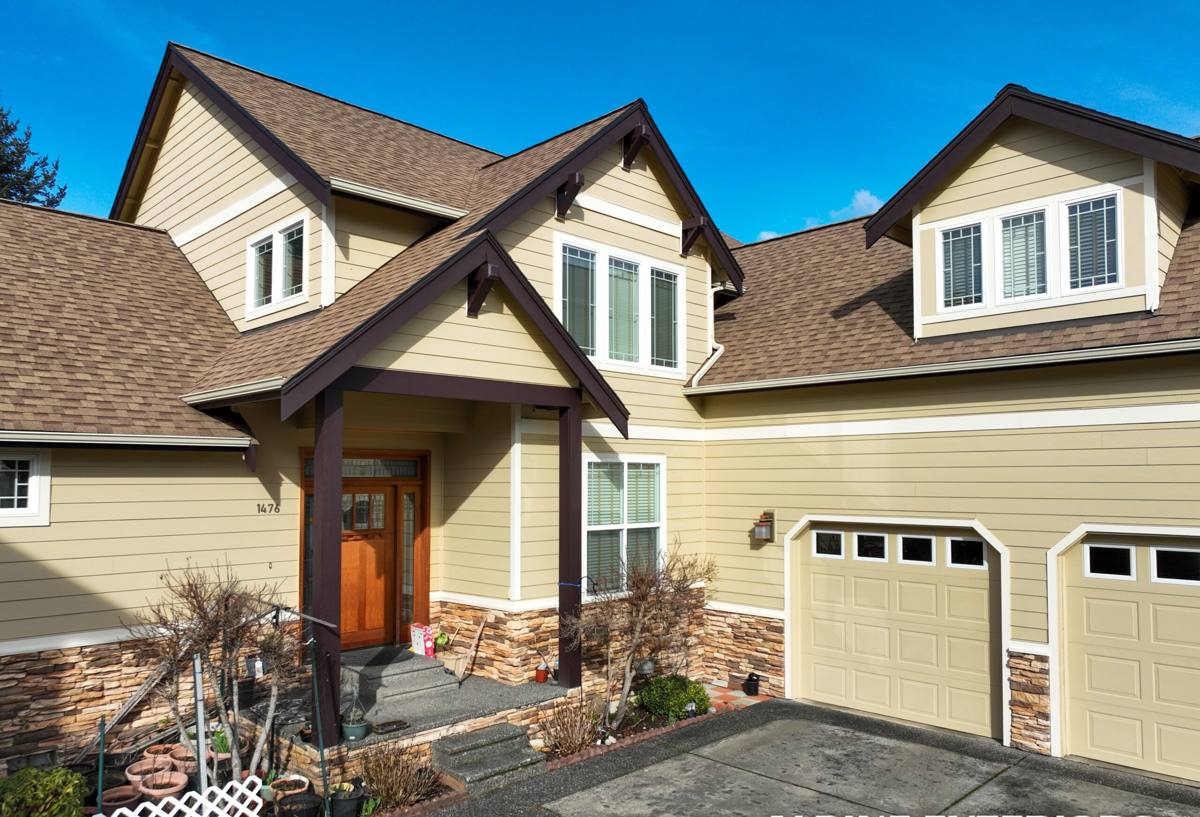
We install fiber cement siding — specifically James Hardie products — on homes throughout St. Petersburg, and Childs Park is part of our regular service area. This page covers what local homes need from their siding, what a correct installation actually involves, and why the climate here makes the product choice non-negotiable for us.
What Hurricane Winds, UV, and Salt Air Do to Siding Over Time
Wind and windborne debris
St. Petersburg sits in a hurricane-prone zone, and even storms that don't make direct landfall here bring sustained wind and gusts strong enough to test how well siding is fastened and how well it resists impact. Lightweight or brittle siding materials can crack, dent, or blow off in wind events that a properly rated, correctly installed product will shrug off.
Year-round UV exposure
Florida sun is intense almost every month of the year, not just in summer. UV breaks down pigments and surface coatings on inferior siding products, leading to fading, chalking, and in some cases warping. A siding product with a factory-applied, UV-stable finish holds its color far longer than field-painted materials exposed to this much sun.
Wind-driven rain
Tropical storms and summer thunderstorms in this area don't just drop rain straight down — wind pushes water sideways, into seams, laps, and trim joints. Siding that isn't installed with the right clearances, flashing, and water-management details behind it will eventually let moisture into the wall assembly, even if the siding material itself is sound.
Salt air
Every neighborhood in St. Petersburg sits on a peninsula between Tampa Bay and the Gulf of Mexico, so salt-laden air reaches inland neighborhoods like Childs Park, not just the waterfront. Salt air accelerates corrosion of fasteners and metal trim, and it's part of why we pay close attention to fastener material and hardware, not just the siding panel itself.
Why We Install Only James Hardie Fiber Cement Siding
We standardized on James Hardie for a reason: it's a non-combustible fiber cement product engineered specifically for climates like ours. Hardie's HZ5 product line is formulated for hot, humid, storm-prone regions — it resists moisture absorption, holds up to repeated wet-dry cycling, and carries a factory-applied ColorPlus finish that's baked on rather than painted on site, so it resists fading and chipping far better than field-applied paint.
We don't install vinyl siding, LP SmartSide, primed wood, cedar, or other fiber cement brands. Each of those has legitimate uses elsewhere, but for a Gulf Coast climate we've seen the trade-offs firsthand: vinyl can warp and become brittle under sustained heat and UV; wood-based and engineered-wood products are more sensitive to moisture intrusion and need more diligent maintenance to avoid swelling or rot; and not every fiber cement brand backs its product with the same manufacturing consistency or transferable warranty that James Hardie does. We'd rather install one product correctly than juggle several and hope each holds up.
What a Correct Fiber Cement Installation Actually Involves
Fiber cement siding is only as good as the installation behind it. A rushed or careless job on a great product will still leak, crack at fasteners, or fail early. Here's what we treat as non-negotiable on every job, including in Childs Park:
Moisture management behind the siding
A correctly lapped water-resistive barrier goes on before any siding, with proper overlaps and sealed penetrations around windows, doors, and utility penetrations. This is the layer that protects the wall sheathing if any water ever gets past the siding — and in a wind-driven-rain climate, some always will eventually.
Fastening and clearances
Hardie siding has specific fastener spacing, embedment depth, and clearance requirements from grade, roofing, and other transitions. Fasteners need to be corrosion-resistant given the salt air here — getting this wrong shortens the life of the installation regardless of how good the siding itself is.
Joints, trim, and caulking
Butt joints, corner boards, and trim need to be treated with the right sealants and flashing details so they don't become entry points for wind-driven rain. This is detail work that's easy to rush and hard to inspect once the job is finished — which is exactly why it matters who's doing the installing.
Fiber Cement vs. Other Siding Options for This Climate
| Factor | James Hardie Fiber Cement | Vinyl | Wood-Based / LP-Type Products |
|---|---|---|---|
| Wind and impact resistance | High — non-combustible, dense, holds up to storm debris | Can crack or blow off in high wind | Moderate; dents and impact damage more easily |
| Moisture and rot behavior | Engineered to resist moisture absorption (HZ5 line) | Doesn't rot, but can trap moisture behind it if installed poorly | More sensitive to swelling, rot if moisture reaches the substrate |
| UV / color retention | Factory-baked ColorPlus finish resists fading | Can fade and become brittle under sustained UV | Field-applied paint fades and needs repainting more often |
| Fire resistance | Non-combustible | Combustible | Combustible |
| Maintenance burden | Low — occasional wash and caulk check | Low, but limited repair options once damaged | Higher — repainting, sealing, monitoring for moisture damage |
None of these products are inherently "bad" — but for a home that has to sit through hurricane seasons, intense UV, and salt air year after year, we've found fiber cement gives homeowners the best balance of durability, appearance retention, and long-term value.
Our Process for a Childs Park Siding Project
- On-site assessment — we look at your home's current siding, sheathing condition, trim, and any problem areas before quoting anything.
- Tear-off and substrate check — old siding comes off and we inspect the sheathing underneath for any moisture damage that needs addressing before new siding goes up.
- Water-resistive barrier installation — properly lapped and sealed before any Hardie product touches the wall.
- Fiber cement installation — installed to James Hardie's fastening, clearance, and joint specifications.
- Trim, caulking, and finish detailing — the parts most likely to be rushed elsewhere; we don't skip them.
- Cleanup and walkthrough — job site cleared and a final walkthrough so you know exactly what was done.
Why It Matters That We Already Work in Childs Park
A crew that regularly works in St. Petersburg neighborhoods like Childs Park knows the City of St. Petersburg and Pinellas County permitting process for exterior work, understands local wind-load requirements that apply to siding installation, and has seen the range of conditions typical of homes in this part of the city — older sheathing, prior repair patches, and the wear patterns that decades of Gulf Coast weather leave behind. That local familiarity means fewer surprises mid-project and a more accurate estimate up front, instead of change orders once the old siding comes off.
Checklist: What to Ask Before You Hire a Siding Contractor
- Are they licensed and insured to work in Pinellas County?
- Do they pull the required permits, or expect you to?
- Will they inspect the sheathing underneath before installing new siding, not just cover over problems?
- Do they follow the manufacturer's fastening and clearance specs, or "install by eye"?
- Do they install one product they stand behind, or several depending on price point?
- Is there a written, transferable warranty — and do you understand what it actually covers?
What Affects Cost
Every home is different, so we don't quote a flat number without seeing the job — but the biggest cost factors on a Childs Park siding project are typically the size and shape of the home, how much of the existing sheathing needs repair once old siding is removed, the amount of trim and detail work involved, and which HardiePlank or HardiePanel profile and color you choose. We'll walk through all of that with you during the estimate so there are no surprises.
If your Childs Park home is due for new siding, we're happy to come take a look and give you a straightforward, no-pressure estimate — no guesswork, no upsell into a product we wouldn't put on our own homes.