 St. Petersburg
 Roofing in a Neighborhood That Doesn't Get a Break From the Weather
Euclid-St. Paul sits close enough to the water that its homes deal with a longer, harder list of roofing stressors than inland Florida properties. Salt-laden air drifts in off the bay and speeds up corrosion on fasteners, flashing, and vent stacks. Intense, near year-round UV bakes shingles and breaks down asphalt oils faster than roofing materials are typically rated for in milder climates. Add wind-driven rain that finds every weak seam, and the occasional direct hit from tropical storm or hurricane-force winds, and you have a roof that is working harder than most manufacturers' warranty language assumes.
That combination is why a roof replacement done for a home in this part of St. Petersburg needs to be treated differently than a routine reroof somewhere with a calmer climate. It's not just about swapping old shingles for new ones — it's about building a roof system that can actually stand up to what Pinellas County weather throws at it, year after year.
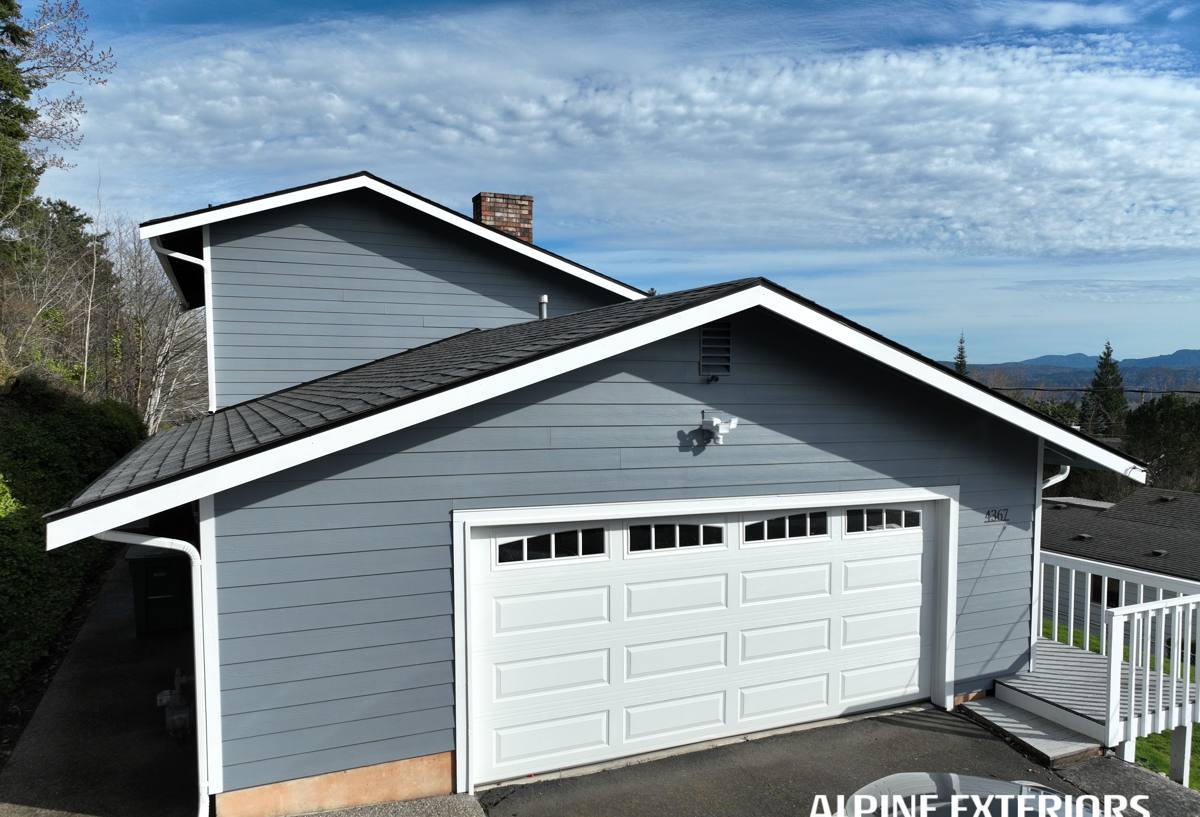
What a Correct Roof Replacement Actually Involves
A roof replacement is more than removing old material and nailing down new shingles. Done right, it's a full system rebuild, and every layer matters for wind and water performance.
Deck Inspection and Repair
Once the old roofing is stripped, the plywood or board decking underneath gets inspected for rot, delamination, or soft spots — common in older homes where past leaks went unnoticed for a while. Any compromised decking gets replaced before anything new goes down. Skipping this step is one of the most common shortcuts in the industry, and it's the reason some "new" roofs fail years before they should.
Underlayment as the Real Water Barrier
Shingles shed most of the water, but the underlayment is what actually keeps a home dry when wind drives rain sideways or up under the shingle edges — which happens regularly during Gulf storms. Synthetic underlayments and self-adhering, high-wind-rated products at eaves, valleys, and penetrations do more work than most homeowners realize.
Fastening and Wind Rating
Florida's building code sets specific nailing patterns and fastener counts based on wind zone, and Pinellas County's coastal wind speeds put homes in this area at the higher end of that scale. Correct nail placement, count, and shingle sealant strip activation are what actually determine whether a roof holds together in a major windstorm — not just the shingle brand printed on the wrapper.
Flashing and Ventilation
Flashing around chimneys, skylights, sidewalls, and roof-to-wall transitions is where the majority of leaks originate on older homes. New flashing, properly integrated with the underlayment and shingles rather than just caulked over old metal, is non-negotiable in a real replacement. Proper attic ventilation also matters here — Florida heat trapped in an under-ventilated attic shortens shingle life and can void manufacturer warranties.
Choosing Materials for Coastal, High-UV Conditions
Not every roofing material performs the same way this close to salt air and sun. The table below reflects general trade-offs we walk homeowners through, not a push toward any one product.
| Material | Wind & UV Performance | Salt Air Durability | Maintenance | Typical Lifespan |
|---|---|---|---|---|
| Architectural (laminated) asphalt shingles | Strong when installed to high-wind spec | Good, with corrosion-resistant fasteners | Low | 20-30 years |
| 3-tab asphalt shingles | Lower wind resistance than architectural | Fair | Low | 15-20 years |
| Standing seam metal | Excellent, high wind uplift resistance | Very good with coated/marine-grade fasteners | Low, periodic fastener/seam checks | 40-50+ years |
| Concrete or clay tile | Very good wind performance when properly fastened | Good, tile itself resists salt corrosion | Moderate, underlayment beneath tile ages and needs eventual replacement | 30-50 years (tile), underlayment sooner |
We don't push homeowners toward a single "best" material — each has a real trade-off. Metal costs more up front but shrugs off wind and salt exposure with minimal upkeep. Tile looks great and lasts a long time, but the underlayment underneath it ages on its own schedule and eventually needs attention regardless of how the tile looks. Architectural shingles remain the most common choice in this area because they balance upfront cost, wind performance, and appearance well, as long as installation follows high-wind-zone specs rather than standard-zone shortcuts.
Our Roof Replacement Process
Every roof replacement we do in the Euclid-St. Paul area follows the same disciplined sequence:
- On-site inspection and measurement, including attic ventilation and existing decking condition
- Written scope and material selection, with honest trade-offs explained — not just a single option
- Permitting through the appropriate St. Petersburg/Pinellas County building department
- Full tear-off of existing roofing material — we don't install over old layers
- Deck inspection, with any rotted or weakened sheathing replaced before moving forward
- Installation of high-wind-rated underlayment, flashing, and drip edge
- Shingle, metal, or tile installation to manufacturer and code-specified fastening patterns
- Site cleanup, including magnetic sweep for stray nails
- Final walkthrough and, where applicable, county inspection sign-off
Nothing here is optional. The steps that get skipped by corner-cutting crews — deck inspection, correct nailing patterns, real flashing work — are exactly the ones that determine whether a roof survives its first serious storm.
Signs a Euclid-St. Paul Roof Needs Replacement, Not Just Repair
Not every roofing issue calls for a full replacement, but there's a point where patching becomes throwing money at a problem that keeps coming back. Watch for:
- Granule loss heavy enough to show bald patches or a buildup in gutters
- Shingles that are curling, cupping, or cracking across large sections of the roof
- Multiple past repairs in different areas rather than one isolated spot
- Visible sagging in the roof deck when viewed from the ground or attic
- Daylight visible through the attic roof boards
- Persistent leaks after repair attempts, especially around flashing or valleys
- A roof approaching or past its material's expected lifespan, especially after storm exposure
- Rusted or heavily corroded flashing, vent boots, or fasteners from salt air exposure
If a roof is showing two or more of these at once, replacement is usually the more cost-effective path over the next five to ten years than continuing to chase leaks.
Permits and Pinellas County Wind Mitigation
Roof replacements in St. Petersburg require a building permit, and inspections at set stages of the job — this isn't optional paperwork, it's what confirms the work meets Florida's wind-load requirements for this region. A permitted, inspected roof replacement also typically qualifies a home for a wind mitigation inspection afterward, which can lower windstorm insurance premiums. That's worth asking your contractor about directly, since not every crew handles the paperwork the same way, and insurance carriers want to see documentation, not just a finished roof.
Why Local Experience in This Neighborhood Matters
Euclid-St. Paul has its own mix of older, established homes alongside newer construction, and the roofing needs vary accordingly. A crew that already works in this part of St. Petersburg knows what to expect opening up an older roof deck — where rot tends to hide, how past repairs were typically handled, and what inspectors in this jurisdiction actually look for. That familiarity shortens the surprises during tear-off and keeps a project on schedule instead of stalling out over decking issues discovered mid-job.
Proximity to the water also means local crews are used to specifying corrosion-resistant fasteners and flashing as a default, not an upsell — because standard-grade hardware simply doesn't hold up as long this close to the bay. That's a detail easy to miss for a contractor who mostly works further inland.
What Drives the Cost of a Roof Replacement
We won't quote a number without seeing the roof, but the honest cost drivers on most Euclid-St. Paul homes are consistent:
- Roof size and the number of planes, valleys, and penetrations
- Pitch — steeper roofs take longer and require more safety setup
- Material choice, from asphalt shingle through metal or tile
- How much decking needs to be replaced once the old roof comes off
- Access — trees, fencing, or tight lot lines that limit equipment staging
- Upgrades to ventilation, flashing, or underlayment beyond the minimum code requirement
The most reliable way to get an accurate number is a physical inspection, not a phone estimate, since decking condition and roof complexity aren't things you can price sight unseen.
Warranty and What Happens After Installation
A roof replacement should come with both a manufacturer's material warranty and a separate workmanship warranty from the installing contractor — the two cover different things, and a homeowner should understand both before signing. Keep documentation of the permit, inspection sign-off, and any wind mitigation paperwork; you'll want it for insurance purposes and for whoever eventually buys the home. Beyond that, a new roof in this climate benefits from an occasional visual check after major storms — not a maintenance contract, just a look for lifted shingles, debris in valleys, or damaged flashing before small issues become leaks.
If your roof in Euclid-St. Paul is showing its age or storm wear, we're glad to take a look and give you a straight, no-pressure assessment of what it actually needs. Use the form below to request a free estimate.