 St. Petersburg
 Windows Built for Disston Heights, Not Just "Florida in General"
Disston Heights is one of St. Petersburg's older, well-established neighborhoods, and that matters when we talk about windows. A lot of the housing stock here predates today's energy codes and hurricane glazing standards by decades. That's not a knock on the neighborhood — it's just a reality that shapes what "energy-efficient windows" actually means for a home here versus a brand-new build out in a subdivision. Original single-pane windows, or aging aluminum-frame replacements from a previous era, were never designed for the combination of heat load, UV exposure, and storm pressure that Pinellas County sees today.
When we talk about energy-efficient windows for this specific area, we're talking about a job that has to do two things at once: cut the cooling load on a home that's fighting Florida sun most of the year, and hold up structurally under wind and wind-driven rain. A window that only does one of those well isn't the right fit for St. Petersburg.
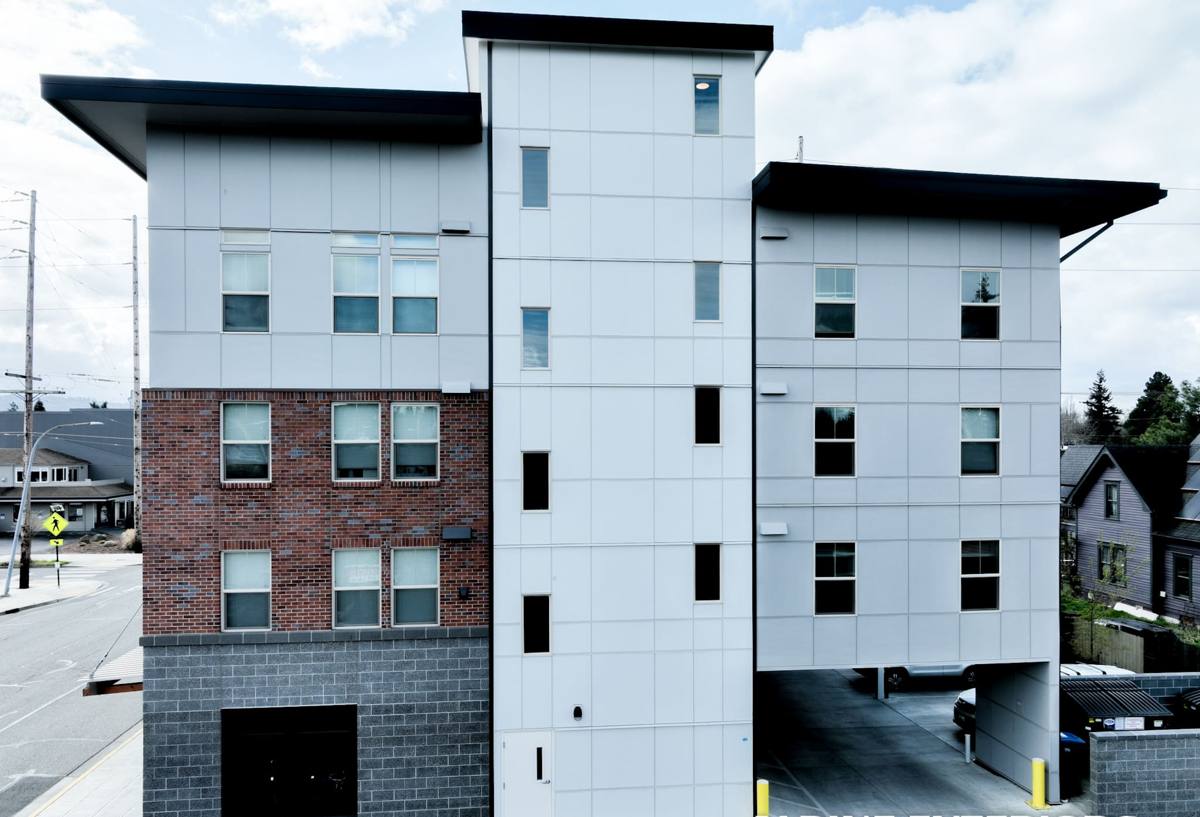
What St. Petersburg's Climate Actually Does to Windows
Every coastal Pinellas County home is dealing with the same four stressors, whether the owner thinks about them or not:
Intense, Year-Round UV
Florida sun isn't seasonal the way it is up north. UV exposure is more or less constant, and it breaks down vinyl glazing seals, fades interior finishes, and degrades cheaper window coatings faster than in almost any other part of the country. Windows without the right glass coatings let in heat and UV that your air conditioner then has to fight all day, every day.
Hurricane-Force Wind Loads
St. Petersburg sits in a wind-borne debris region under Florida's building code. That's not a suggestion — it's a design requirement for replacement windows, and it affects frame strength, glass makeup, and anchoring, not just the glazing package.
Wind-Driven Rain
Storms here don't just bring rain straight down — wind pushes water sideways and upward into window assemblies. A window that's rated for impact but poorly flashed or improperly installed can still leak during a tropical system, which is a installation problem as much as a product problem.
Salt Air
Being close to Tampa Bay and the Gulf means airborne salt accelerates corrosion on hardware, fasteners, and lower-grade frame materials. Over years, that corrosion is what causes windows to bind, leak, or fail at the hardware long before the glass itself gives out.
Any one of these would be worth designing around. Together, they're why a window that performs great in Ohio can underperform badly in a St. Petersburg home within a few years.
Signs Your Current Windows Are Costing You Money
Homeowners in Disston Heights often come to us not because a window failed outright, but because something felt "off" — a room that never cools down, a spike in the electric bill, or a draft near an old frame. Common signs worth paying attention to:
- One or two rooms are noticeably hotter than the rest of the house, especially in the afternoon
- You can feel air movement near a closed window on a windy day
- Condensation forms between panes (a sign the seal has failed on an insulated glass unit)
- Aluminum frames feel hot to the touch on sunny days
- Windows are hard to open, close, or lock — often a sign of frame warping or corroded hardware
- Visible chalking, pitting, or discoloration on the frame finish
- Fading furniture, flooring, or artwork near south- or west-facing windows
None of these mean a window is dangerous, but they all mean it's working against your cooling bill instead of with it.
What a Correct Energy-Efficient Window Job Actually Involves
"Energy-efficient" gets used loosely in this industry, so it's worth being specific about what actually drives performance in a Florida installation.
Glass Package
The glass itself does most of the work. Low-emissivity (Low-E) coatings reflect solar heat before it enters the home while still letting in visible light. In this climate, we generally recommend Low-E coatings tuned for solar heat gain reduction rather than the versions optimized for cold-climate heat retention — those are built for a different problem than the one Florida homes have.
Frame Material
Vinyl, aluminum, and composite frames each have trade-offs. Vinyl resists salt corrosion well and insulates better than bare aluminum, but lower-grade vinyl can warp under sustained heat if it's not properly reinforced. Aluminum is strong and holds up structurally, but conducts heat unless it's thermally broken. We size the frame recommendation to the specific window's sun exposure and the home's existing structure rather than defaulting to one material for the whole house.
Impact Rating and Anchoring
In a wind-borne debris region, the window assembly — not just the glass — needs to meet the applicable wind load and impact standard for its location on the home. That means correct anchoring into structurally sound framing, not just caulking a new unit into an old opening.
Flashing and Water Management
This is the step that gets skipped most often by crews unfamiliar with older Florida construction. Proper flashing, sealant selection, and integration with the existing wall assembly are what actually keep wind-driven rain out during a storm — a great window installed without this step will still leak.
Comparing Window Options for a Home Like Yours
| Factor | Standard Double-Pane | Low-E Insulated | Impact-Rated Insulated |
|---|---|---|---|
| Heat rejection | Basic | Strong | Strong |
| Storm protection | None | None, unless separately rated | Built in — meets wind-borne debris code |
| Typical use case | Interior or low-exposure rooms | Most living spaces, sun-facing rooms | Street-facing, ground floor, storm-critical openings |
| Relative upfront cost | Lowest | Moderate | Highest |
| Long-term value in coastal FL | Lower — often needs earlier replacement | Good | Best — energy savings plus storm protection in one unit |
Most Disston Heights homes end up with a mix — impact-rated units where storm exposure or code requires it, and Low-E insulated units elsewhere, matched to budget and priority.
Our Process, Start to Finish
1. On-Site Assessment
We look at each window individually — sun exposure, current condition, framing behind the opening — rather than quoting a flat per-window price sight unseen. Every home has a mix of easy swaps and openings that need more attention.
2. Straightforward Recommendation
We'll tell you plainly which windows genuinely need impact-rated glass, which don't, and where you can save money without giving up real performance. No upselling every opening to the top-tier product.
3. Permitting
Window replacement in the City of St. Petersburg requires a permit, and we handle that process as part of the job — not as an add-on you have to chase down yourself.
4. Installation
Old units are removed carefully to protect surrounding stucco, siding, or trim. New units are set, shimmed, and anchored to spec, then flashed and sealed for water management before any interior or exterior trim work is finished.
5. Final Walkthrough and Inspection
Every window is checked for operation, seal integrity, and a clean finish before we call the job done, and we coordinate the required city inspection.
Permits and Code Requirements in Pinellas County
Because St. Petersburg falls within Florida's wind-borne debris region, window replacements are subject to specific wind load and impact requirements under the Florida Building Code, and permits are required for the work. This isn't optional paperwork — inspectors check anchoring, product approval documentation, and installation method. A contractor who treats permitting as routine, rather than something to skip, is protecting your investment and your ability to sell or insure the home down the road without a fight over undocumented work.
What to Ask Before You Hire Anyone for This Job
- Are you licensed to perform this work in Pinellas County, and can I verify that license?
- Will you pull the required permit, or is that on me?
- What wind load and impact rating do these specific windows carry, and is that documented?
- How do you handle flashing and water management around the new opening?
- What's the warranty on the product versus the warranty on your installation labor — and are they the same company or different?
- Do you have experience with homes of similar age and construction in this area?
Any contractor worth hiring should answer these without hesitation. Vague answers on permitting or installation method are the biggest red flag in this trade.
Why Local Experience in Disston Heights Actually Matters
A crew that's done this work throughout St. Petersburg and Pinellas County already knows the common construction patterns in older neighborhoods like Disston Heights — the kinds of framing you tend to find behind existing openings, how local stucco and siding typically interact with window trim, and what the city's permitting and inspection process expects. That familiarity shows up in fewer surprises mid-job, a cleaner finish, and an installation that's actually built for the wind and rain this specific area sees, not a generic national playbook.
If you're weighing options for your windows and want a straight answer about what your home actually needs — no pressure, no inflated recommendations — we're happy to take a look and put together a free estimate.