 St. Petersburg
 Roofing for a Neighborhood That Sees Real Weather
Crescent Lake sits inside St. Petersburg, in Pinellas County, which means every roof in the neighborhood deals with the same list of demands: hurricane-force wind gusts during tropical systems, intense UV exposure nearly every day of the year, wind-driven rain that finds any weak seam, and salt-laden air drifting in off Tampa Bay and the Gulf. None of that is unique to Crescent Lake, but the neighborhood's mix of older homes and newer builds, many on tree-lined streets with mature canopy overhead, adds its own wrinkles to how an asphalt shingle roof ages and what it needs to hold up.
We work on roofs throughout St. Petersburg, and Crescent Lake is one of the areas we're in regularly. That matters because roofing here isn't just "install shingles and leave." It's understanding how a specific block's tree cover, roof age, and sun exposure interact with Florida's building code and weather, then building a roof that's actually suited to those conditions instead of a generic install.
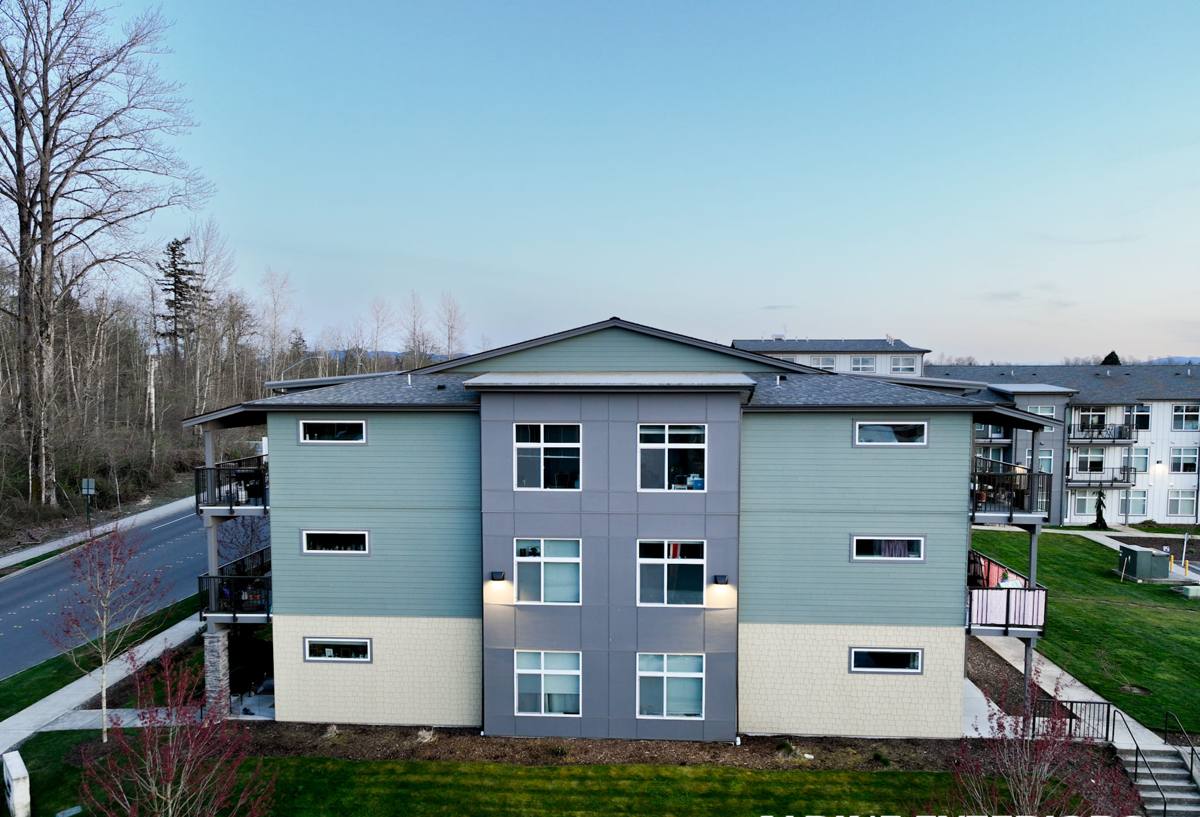
What Crescent Lake Homes Need From an Asphalt Shingle Roof
Wind Performance
Florida building code requires roofing materials rated for high wind uplift, and in a coastal county like Pinellas that's not a formality — it's the difference between a roof that survives a tropical storm and one that doesn't. A correct install uses the right nailing pattern, the right number of fasteners per shingle, and a shingle product actually rated for the wind speeds our area is designed around. Cutting corners on nailing pattern is one of the most common reasons we see wind damage concentrated on otherwise decent-looking roofs.
UV and Heat Resistance
Central Florida sun breaks down roofing materials faster than most of the country experiences. UV exposure dries out asphalt shingles, causes granule loss, and accelerates aging on the south- and west-facing slopes especially. Attic ventilation plays a bigger role here than people expect — a poorly ventilated attic traps heat, which cooks the underside of the shingles and shortens their life regardless of what brand or quality you started with.
Wind-Driven Rain and Moisture
Florida storms rarely come straight down. Wind pushes rain sideways and up under shingle edges, valleys, and any flashing that isn't sealed correctly. That's why underlayment quality and flashing detail work matter as much as the shingle itself — the shingle sheds most of the water, but the underlayment and flashing are what stop the rest from reaching your decking.
Salt Air and Tree Debris
Being close to the bay means a steady low-level exposure to salt in the air, which speeds up corrosion on any exposed metal — flashing, vent boots, nail heads. In Crescent Lake specifically, mature tree canopy on many streets adds another factor: leaf litter and debris collecting in valleys and behind chimneys, holding moisture against the roof longer than an open, sun-exposed roof would experience.
What a Correct Asphalt Shingle Roof Involves
A roof is a system, not a single product. When we replace or repair an asphalt shingle roof, the shingle itself is only one piece:
- Decking inspection and repair — soft, delaminated, or water-damaged plywood gets replaced before anything new goes down, not covered over.
- Underlayment — a synthetic or self-adhering underlayment appropriate for our wind and moisture exposure, installed with correct overlaps.
- Flashing — new flashing at valleys, chimneys, walls, and any roof penetration, rather than reusing old, corroded pieces.
- Ventilation — intake and exhaust balanced so the attic isn't trapping heat and moisture under the new roof.
- Nailing pattern — correct fastener count and placement per shingle, matched to the wind-rating requirement for the product and our code zone.
- Starter strips and ridge caps — the details that keep edges and ridgelines from being the first thing wind gets under.
Skip any one of these and the shingle warranty on paper won't reflect how the roof actually performs in a storm.
Common Issues We See on Crescent Lake Roofs
Every neighborhood has its own pattern of wear, shaped by roof age, tree cover, and sun exposure. On Crescent Lake homes, the issues we run into most often include:
- Granule loss and thinning on south- and west-facing slopes from years of direct UV exposure
- Debris buildup in valleys and behind chimneys from overhanging tree canopy, leading to trapped moisture and localized rot
- Nail pops and lifted shingle edges following high-wind events, especially on older roofs installed with fewer fasteners than current code calls for
- Corroded or under-sealed flashing around chimneys, skylights, and wall intersections
- Soft or spongy decking discovered only once old shingles are pulled, usually from a slow leak that went unnoticed for years
Some of these are visible from the ground — granule loss shows up as darkening in your gutters, curling shingle edges are visible on a clear day. Others, like decking damage, only show up during a tear-off or a close attic inspection.
Choosing the Right Shingle Class
Not every asphalt shingle product is a good match for a coastal Florida roof. The table below outlines the general categories and how they tend to perform under our conditions.
| Shingle Type | Typical Wind Rating | Typical Lifespan Here | Best Fit |
|---|---|---|---|
| 3-Tab | Lower end of code-compliant range | Shorter, due to thinner profile and UV exposure | Budget-driven projects on lower-exposure roof planes |
| Architectural / Dimensional | Mid-to-high range, product dependent | Longer than 3-tab under the same sun and wind exposure | Most Crescent Lake homes — balance of durability and cost |
| Impact-Resistant (Class 4) | Highest rated among asphalt options | Comparable to or longer than architectural, with added impact resistance | Homes seeking maximum wind and hail resilience, sometimes with insurance premium benefits |
We don't push one tier on every roof. The right choice depends on your roof's exposure, how long you plan to be in the home, and your budget — we'll walk through the honest trade-offs during the estimate rather than defaulting to the most expensive option.
What Drives the Cost of a Shingle Roof
Every roof is priced individually, but the same handful of factors move the number up or down on almost every job we quote in this part of St. Petersburg.
| Cost Factor | Why It Matters |
|---|---|
| Roof size and pitch | Steeper roofs take longer to work safely and use more material per square foot of coverage |
| Number of existing layers | Tear-off of multiple old layers adds labor and disposal cost versus a single-layer removal |
| Decking condition | Rotted or delaminated plywood found during tear-off requires replacement before installation continues |
| Shingle class chosen | 3-tab, architectural, and impact-rated products carry different material costs |
| Ventilation and flashing upgrades | Bringing an older roof's ventilation or flashing up to current standards adds scope but improves longevity |
| Access and roof complexity | Multiple valleys, chimneys, skylights, and tree-obstructed access all add labor time |
How Our Process Works
Inspection and Honest Assessment
We start with a full roof inspection — not just a look from the driveway. That includes checking the attic for ventilation and moisture signs, examining flashing and valleys, and being straight with you about what's actually needed versus what can wait.
Written Scope and Estimate
You get a clear, written scope of work and price before anything starts. No vague "we'll figure it out" pricing on a job this size.
Tear-Off and Decking Check
Old roofing comes off down to the deck so we can actually see what we're building on, not guess based on what's visible from above.
Installation
Underlayment, flashing, starter strips, shingles, and ridge caps go in following manufacturer specifications and the fastener pattern required for our wind zone.
Cleanup and Final Walkthrough
Job site debris and nails get cleared, and we walk the finished roof with you before calling it done.
Maintaining Your Roof After Installation
A well-installed roof still needs basic upkeep, especially under tree canopy. A simple maintenance routine goes a long way:
- Clear leaves and debris from valleys and gutters a few times a year, more often if you're under heavy canopy
- Trim overhanging branches back from the roofline to reduce debris and abrasion
- Do a visual check after any major storm for lifted, missing, or curling shingles
- Check gutters periodically for excessive granule buildup, a sign of accelerated shingle wear
- Have your attic ventilation checked if you notice unusually high indoor temperatures on upper floors
- Schedule a professional inspection every couple of years, or immediately after any storm with significant wind
Why It Matters That We Already Work in Crescent Lake
A crew that's worked roofs throughout St. Petersburg and Pinellas County understands how local permitting works, what inspectors here look for, and how a specific neighborhood's tree cover and roof age tend to show up as real-world problems. That's different from a contractor working from a generic checklist. We can look at a Crescent Lake roof and have a good sense, before we're even on a ladder, of what we're likely to find — and that translates into a more accurate estimate and fewer surprises once tear-off starts.
If your roof is showing its age, took wind damage in a recent storm, or you're just planning ahead, we're happy to come take a look. The estimate is free, there's no pressure, and you'll get a straight answer about what your roof actually needs — use the form below to get started.