 St. Petersburg
 Metal Roofing Built for Coquina Key's Waterfront Exposure
Coquina Key sits on filled land ringed by water on three sides, which means almost every home here deals with a version of the same problem: salt-laden air moving off Big Bayou and Little Bayou, long stretches of direct sun with very little tree canopy on the newer streets, and wind that has open water to build speed across before it hits a roofline. A roofing material that performs fine three miles inland in St. Petersburg can wear noticeably faster out here. Metal roofing, installed correctly with the right coatings and fasteners, tends to hold up better against that specific combination than most alternatives — but "installed correctly" is doing a lot of work in that sentence, and it's the part that separates a 40-year roof from a 12-year headache.
This page covers what metal roofing actually needs to look like for a Coquina Key home, how we approach the job, and what to ask before you hire anyone to do it.
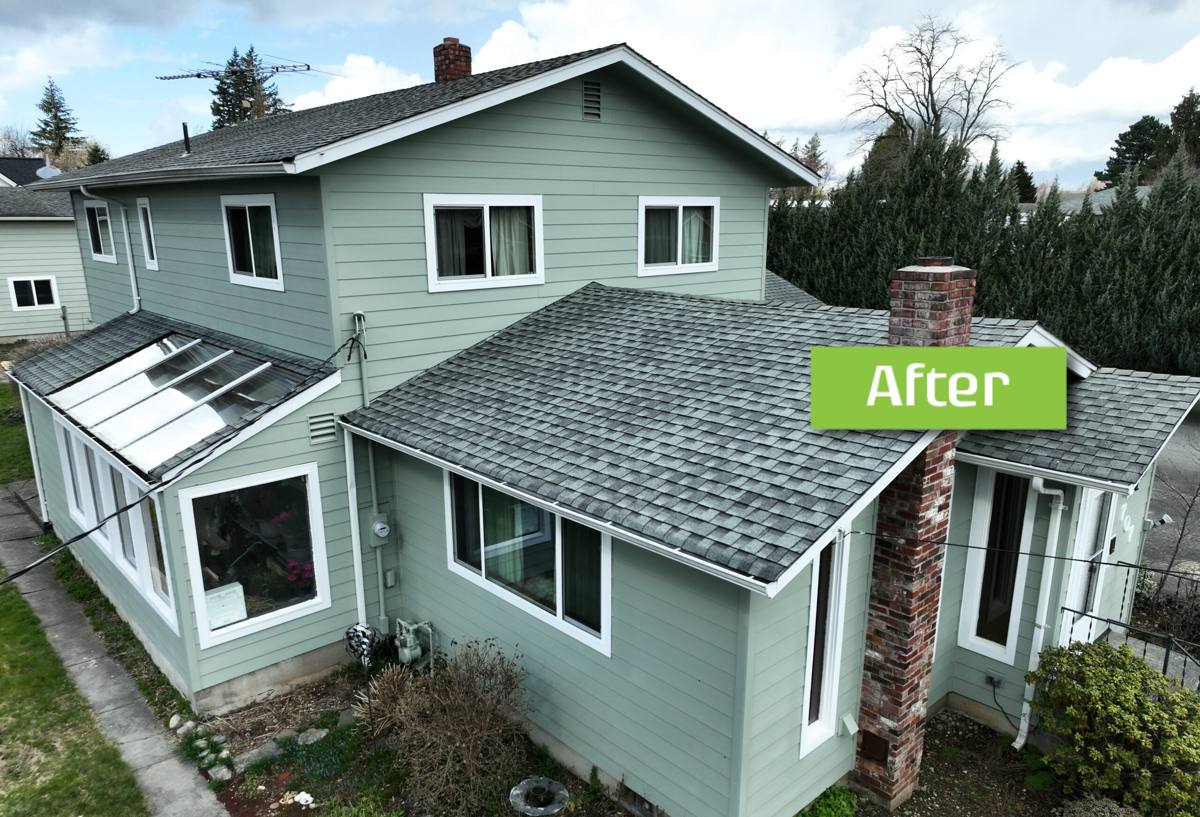
Why Coquina Key's Climate Changes the Job
Salt Air and Corrosion
Waterfront and near-waterfront homes get a slow, constant dose of airborne salt. On metal roofing, that means fastener heads, cut edges, and any exposed galvanized steel are where corrosion starts first — not the painted field of the panel, which is usually well protected. A roof that looks fine from the ground can have trouble developing at the flashing seams and screw heads if the wrong hardware or coating was used at installation.
Wind Load
Pinellas County sits in a high-velocity hurricane zone, and Coquina Key's exposure to open water means wind can hit roof edges and corners with more force than it would a few blocks inland. Metal roofing performs well in wind when the panel profile, fastening pattern, and edge details are matched to that exposure — but an underspecified system, or one installed with the wrong screw spacing, gives up a lot of that advantage.
UV and Heat
Florida sun is hard on any roofing material, and a low-canopy neighborhood like this one gets full exposure most of the day. Metal handles UV better than most roofing products — it doesn't degrade the way asphalt granules or some coatings do — but paint systems still vary in how well they hold color and resist chalking over a couple of decades. Cheaper coil coatings fade and chalk faster than better resins.
Wind-Driven Rain
During tropical systems, rain doesn't just fall — it drives sideways into laps, flashings, and penetrations. This is where underlayment, seam design, and flashing detail matter more than the panel itself. Most metal roof leaks trace back to a flashing or penetration detail, not a failure of the metal panel.
What a Correct Metal Roof Looks Like Here
For a Coquina Key home, we're generally looking at a system built around these pieces:
- A panel profile matched to the home's slope and exposure — standing seam for most residential applications, exposed-fastener panels only where budget or design calls for it and the trade-offs are understood
- Coastal-grade or stainless fasteners and flashing hardware at any point exposed to salt air, not standard galvanized
- A high-temperature, self-adhered underlayment as a secondary water barrier, especially at valleys, eaves, and penetrations
- Properly lapped and sealed flashing at every wall intersection, chimney, vent, and skylight — this is where most leaks actually originate
- A fastening pattern and clip spacing matched to the wind exposure of the specific roof, not a generic minimum
- A quality paint/coating system (like a PVDF-based finish) that resists fading and chalking under sustained UV
Standing Seam vs. Exposed-Fastener Panels
This is the main decision point for most homeowners in this neighborhood, and it comes down to upfront cost versus long-term maintenance.
| Factor | Standing Seam | Exposed-Fastener |
|---|---|---|
| How it's attached | Concealed clips, no exposed screws | Screws through the panel face |
| Coastal durability | Better — no exposed fastener heads to corrode | Fasteners need periodic inspection and re-torquing or replacement |
| Upfront cost | Higher | Lower |
| Long-term maintenance | Minimal | Fastener gaskets degrade over time and need attention |
| Wind performance | Generally stronger uplift resistance | Good, but dependent on screw spacing and torque |
| Typical best use | Primary roofs, waterfront or near-waterfront homes | Secondary structures, budget-driven projects |
We'll walk through both options honestly for your specific home rather than defaulting to whichever is easier to sell. For most Coquina Key homes given the salt exposure, standing seam earns its higher upfront cost back in reduced maintenance and fewer service calls over the life of the roof.
Our Process on a Coquina Key Metal Roof
1. Inspection and Roof Assessment
We start by looking at the existing roof deck, structure, and any signs of past leaks or moisture intrusion — not just the surface. Deck condition matters as much as the panel choice; metal installed over a compromised deck will develop problems regardless of panel quality.
2. System Design
We spec the panel profile, underlayment, flashing details, and fastening pattern to the specific exposure of your roof — corner and edge zones typically need tighter fastening than the field of the roof, and we account for that rather than applying one spacing across the whole system.
3. Tear-Off and Deck Prep
Old roofing comes off, the deck is inspected and repaired where needed, and any soft or water-damaged sections are replaced before anything new goes down. Skipping this step is the single most common shortcut that leads to early failures.
4. Underlayment and Flashing
Self-adhered underlayment goes down first as the water barrier, then flashing at every wall, vent, chimney, and valley — installed to shed water, not just sit close to the surface.
5. Panel Installation
Panels are installed with coastal-rated fasteners and a fastening pattern matched to the wind exposure map for your roof, with particular attention to eaves, ridges, and corners.
6. Final Walkthrough
We walk the completed roof with you, cover the warranty coverage in plain terms, and explain what little maintenance the system will need going forward.
Maintenance: What Metal Roofing Actually Needs
One of the appeals of metal roofing is that it needs less upkeep than shingles — but "less" isn't "none," especially this close to the water.
- Rinse off salt film and debris periodically, particularly after storms
- Keep gutters and valleys clear so water doesn't pool against seams or flashing
- Have flashing points and any exposed fasteners checked every couple of years
- Trim back overhanging vegetation that can hold moisture against the roof surface
- After a major storm, have the roof looked at even if nothing looks obviously wrong — wind can loosen a fastener or lift a seam edge without an obvious visible sign from the ground
Cost Factors for a Metal Roof in This Neighborhood
Metal roofing costs more upfront than asphalt shingles, and the range depends on more than just square footage. The main variables we walk through with homeowners:
| Factor | Impact on Cost |
|---|---|
| Panel type (standing seam vs. exposed-fastener) | Standing seam runs higher due to material and labor |
| Roof complexity (valleys, dormers, penetrations) | More cuts and flashing detail mean more labor |
| Deck condition | Rot or water damage found during tear-off adds repair cost |
| Coating/finish quality | Premium paint systems cost more but hold color and resist chalking longer |
| Fastener and hardware grade | Coastal-rated hardware costs more than standard galvanized |
We provide a written, itemized estimate so you can see exactly what you're paying for rather than a single lump number — that's true of every job we quote in St. Petersburg, and it matters more on a metal roof where the details drive both cost and longevity.
Why Local Experience on This Neighborhood Matters
Coquina Key isn't a typical Pinellas County subdivision — the water exposure on three sides, the age and construction of many of the homes, and the flood zone considerations that come with waterfront and near-waterfront property all factor into how a roof should be built here. A crew that's worked this neighborhood before knows which details tend to need extra attention on these homes and won't be guessing at wind exposure zones or flashing needs. That familiarity shows up in fewer callbacks and a roof that's actually built for the conditions it's going to face, not a generic spec pulled from a catalog.
If you're weighing metal roofing for your Coquina Key home, we're happy to take a look and walk you through what it would involve for your specific roof — no pressure, no obligation. Fill out the form below and we'll set up a time to come take a look and put together a straightforward estimate.