 St. Petersburg
 Roof Repair for Childs Park Homes
Childs Park is one of St. Petersburg's established neighborhoods, with a housing stock that spans mid-century single-family homes through more recent builds and additions. That mix matters when it comes to roofing. A roof repair on a decades-old shingle roof calls for different judgment than one on a roof with a newer low-slope addition tacked onto the back of the house. Whatever the age or type, the roofs in this part of Pinellas County are all fighting the same enemy: a hot, humid, storm-prone climate that doesn't give a roof any downtime to recover.
This page is about roof repair specifically — patching, resealing, flashing work, and targeted fixes that stop a leak or head off bigger damage, as opposed to a full tear-off and replacement. Done right, a repair extends the life of a roof and buys a homeowner years before replacement is the only option. Done wrong, or done with the wrong materials, it just moves the problem to next year.
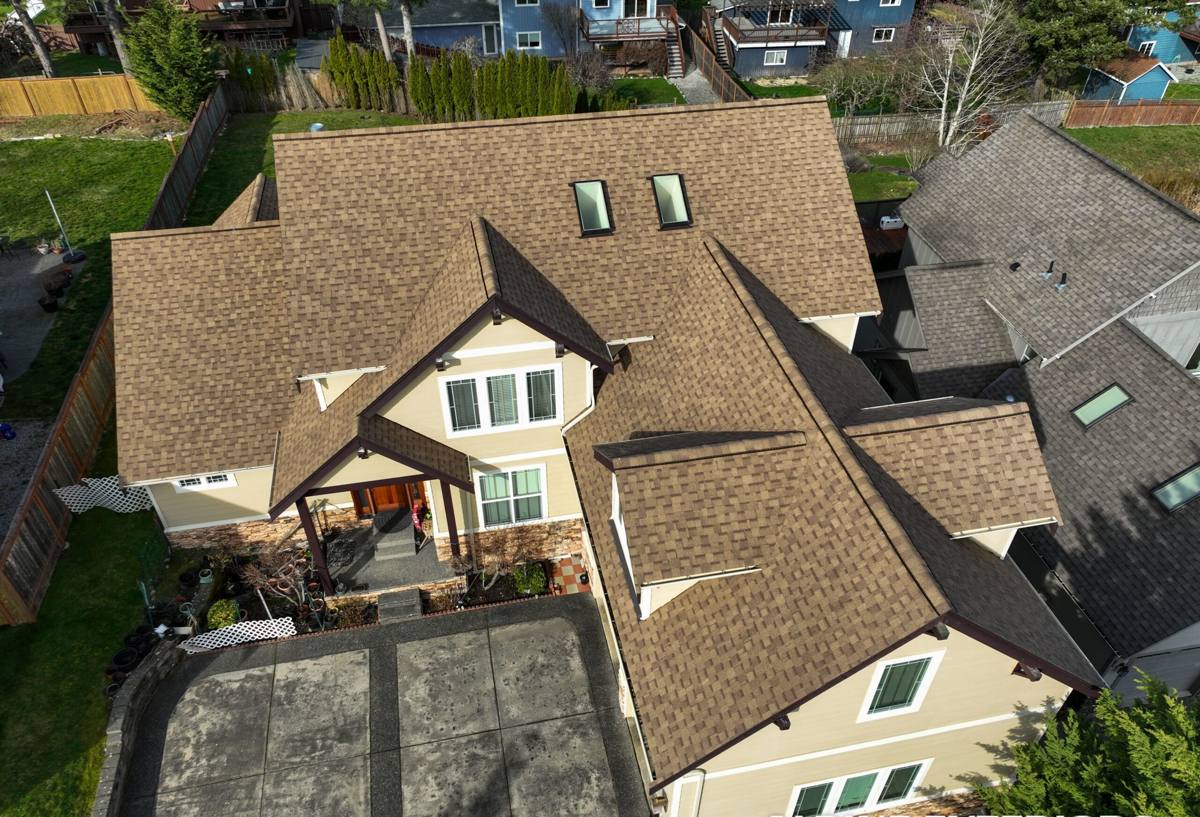
Why Roofs Near the Gulf Wear Out Faster
St. Petersburg sits on a peninsula, and that proximity to the water shapes everything about how a roof ages here. A few conditions stack up against roofing materials in ways that inland homes never deal with:
- Hurricane-force winds lift shingle edges, work loose fasteners, and stress flashing at every joint, valley, and penetration.
- Wind-driven rain doesn't just fall straight down — it gets pushed sideways and upward under shingles, tiles, and trim, finding gaps that a calm-weather rain would never reach.
- Intense, year-round UV exposure breaks down asphalt oils, dries out sealants, and fades and embrittles roofing material faster than in most of the country.
- Salt air off Tampa Bay and the Gulf accelerates corrosion on exposed metal — nails, flashing, vents, and fasteners — which is often where a "small leak" actually starts.
None of these factors act alone. A roof that's already UV-brittle is far more likely to crack or tear in a windstorm. Flashing that's corroding from salt air is more likely to pull loose when wind-driven rain pounds it repeatedly. When we assess a repair in Pinellas County, we're always looking at how these forces compound, not just at the single spot where water is currently showing up inside the house.
Common Roof Repair Issues We See in This Area
Shingle Roofs
Lifted, cracked, or missing shingles after wind events; granule loss and brittleness from sun exposure; nail pops working their way back through the shingle surface; and worn sealant strips that no longer bond shingles down against wind uplift.
Flashing and Penetrations
Flashing around chimneys, skylights, vent pipes, and roof-to-wall transitions is one of the most common points of failure — not because the material fails outright, but because sealant dries out and metal fasteners corrode, opening a path for water that has nothing to do with the shingles themselves.
Low-Slope and Flat Sections
Many homes in Childs Park have additions, porches, or Florida rooms with low-slope or flat roofing that drains differently than the main roof. These sections are more prone to ponding water and membrane seam failures, and they need a repair approach suited to that roof type rather than a shingle patch mentality.
Soffit, Fascia, and Underlayment Damage
By the time a leak is visible on a ceiling, water has often already been traveling along the underlayment or decking for a while. Repairs done from the top down without checking soffit and fascia condition can leave hidden damage behind to keep spreading.
What a Correct Repair Actually Involves
A roof repair that holds up in this climate is not just "find the leak, seal it, done." A repair worth paying for includes:
- Finding the actual entry point — which is often several feet away from where the water shows up inside, especially on a sloped roof.
- Checking the surrounding material, not just the failure point, since UV and wind damage rarely stay contained to one shingle or one flashing seam.
- Matching materials appropriately — using compatible shingle types, corrosion-resistant fasteners, and sealants rated for sustained sun and moisture exposure, not general-purpose caulk that will dry out again in a season or two.
- Re-securing for wind, not just water — a patch that stops a leak but isn't fastened to withstand the next wind event isn't a complete repair here.
- Checking decking condition underneath the repair area, since a repair over soft or water-damaged decking won't last regardless of how well the surface work is done.
Skipping any of these steps is how a homeowner ends up paying for the same repair twice.
Our Roof Repair Process
1. Inspection and Diagnosis
We start by physically inspecting the roof — not just the spot where a leak was reported, but the surrounding field, flashing points, and any low-slope sections tied into the main roof. We also check the attic or ceiling area where feasible, since interior water staining tells us a lot about how long an issue has been active and how far it's traveled.
2. A Clear, Honest Explanation
Before any work starts, we explain what we found, what's causing it, and what the repair will involve — in plain language, not a scare-tactic pitch. If a section of roof is beyond a reasonable repair and heading toward replacement territory, we'll say so directly rather than patching something that's likely to fail again soon.
3. The Repair Itself
We use materials appropriate to the roof type and matched as closely as possible to existing roofing, proper fastening for wind resistance, and sealants suited to sustained Florida sun and moisture exposure — not shortcuts that look fine on day one and fail by next hurricane season.
4. Cleanup and Follow-Through
We clean up debris and old material from the work area and leave the homeowner with a clear picture of what was done and what, if anything, to keep an eye on going forward.
Repair or Replace? What Actually Drives That Decision
Not every roof problem is a repair, and not every problem needs a full replacement. The honest answer depends on a handful of factors:
| Factor | Leans Toward Repair | Leans Toward Replacement |
|---|---|---|
| Roof age | Roof is well within its expected service life | Roof is at or past the age range typical for its material |
| Extent of damage | Isolated to one area (flashing, a section of shingles) | Multiple areas failing, or widespread granule loss / brittleness |
| Decking condition | Decking underneath is solid | Decking shows rot or soft spots in multiple areas |
| Storm history | Localized wind or debris damage | Repeated storm damage across several seasons |
| Underlying material condition | Surrounding shingles/tiles still flexible and intact | Surrounding material is brittle, cracked, or failing broadly |
We'll tell you honestly which category your roof falls into. A repair recommendation you can trust only means something if the same contractor is willing to tell you when a repair isn't the right call.
What to Ask Before Hiring Anyone for Roof Repair
Storm season brings out a lot of roofing offers in Pinellas County, not all of them from people planning to be around next year if something goes wrong. Before hiring anyone for a repair, it's worth asking:
- Are you licensed and insured to do roofing work in Florida, and can you provide proof?
- Will you show me the actual damage, including photos, before starting work?
- What specific materials will you use, and are they appropriate for this roof type?
- Is the repair covered by any warranty, and what does that warranty actually cover?
- Do you have a permanent local address and a track record of work in this area?
- Will you put the scope of the repair in writing before starting?
A contractor who answers these questions directly, without hesitation, is telling you something about how they operate.
Why It Matters That We Already Work in Childs Park
Roofing conditions vary block by block, not just city by city. A crew that regularly works in Childs Park and the surrounding St. Petersburg neighborhoods has a working sense of the age and construction patterns common to homes in this area, how they tend to hold up against Tampa Bay's wind and rain patterns, and what repairs actually last here versus what looks fine for a season and fails again. That local familiarity shortens the diagnosis process and helps avoid repair approaches that don't fit the way homes in this part of Pinellas County are actually built.
It also means accountability. A contractor with an ongoing presence in your neighborhood has a reason to make sure the repair is done right the first time, not just to close out the job and move on.
Get a Free, No-Pressure Estimate
If you're dealing with a leak, storm damage, or a roof that just needs an honest second look, we're happy to come take a look and tell you straight what we find. Fill out the form below to request a free estimate for roof repair in Childs Park — no pressure, no obligation.