 St. Petersburg
 What Childs Park Homes Are Up Against
Homes in the Childs Park area of St. Petersburg deal with a specific combination of stressors that most siding materials simply weren't built to handle long-term. Pinellas County sits close enough to the Gulf that salt-laden air works its way into every neighborhood, not just the ones on the water. Add to that intense, near-constant Florida UV exposure, seasonal wind-driven rain, and the real possibility of hurricane-force wind events, and you have a climate that finds every weak point in a home's exterior. Paint fades and chalks faster here. Moisture finds gaps that would stay dry for decades up north. And any siding material that isn't dimensionally stable will eventually show it, whether that's warping, buckling, or seams that open up and let water behind the wall.
That's the lens we use on every Childs Park project. We're not thinking about how siding performs in a showroom or a mild climate — we're thinking about how it performs after ten Florida summers and however many named storms roll through in between.
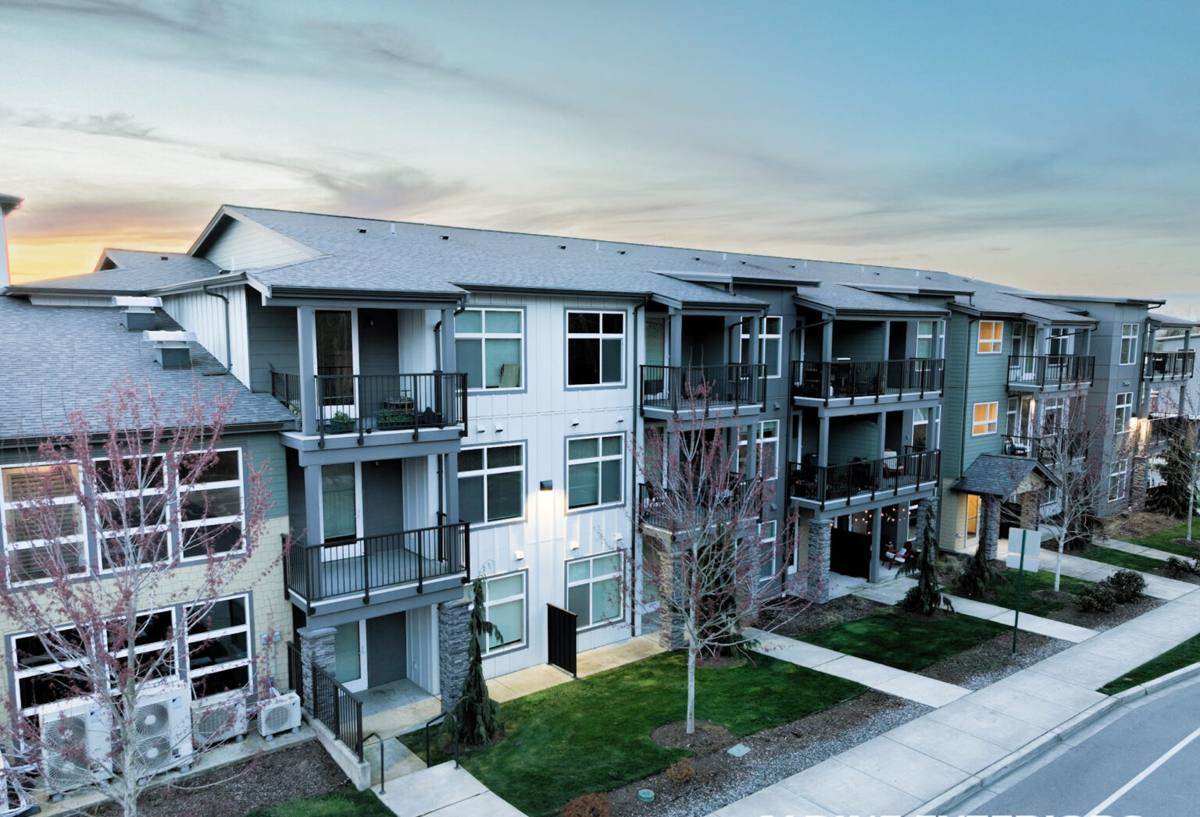
Why We Only Install James Hardie Fiber Cement Siding
We made a deliberate choice years ago to install one product system: James Hardie fiber cement. We don't install vinyl, LP SmartSide, Cemplank, Allura, or wood products like primed spruce or cedar, and we're upfront with homeowners about why.
Vinyl is affordable and easy to install, which is exactly why it's everywhere. But it's a petroleum-based product that softens, expands, and contracts with heat, and in direct Gulf Coast sun it can warp or discolor faster than in milder climates. It also isn't rated to stand up to the wind speeds we see in a serious tropical event the way heavier fiber cement panels are.
Wood-based composite siding like LP SmartSide uses engineered wood strand technology with a resin binder, and it's a genuine improvement over old-school wood siding. But it's still a wood product at its core, which means the cut edges and any breach in the factory coating are vulnerable to moisture intrusion — a real risk in a climate with this much humidity and driving rain. Once moisture gets in, wood-based products can swell or deteriorate from the inside, often before it's visible from the street.
Cement-based competitors to James Hardie exist, and some are reasonable products. Our decision to standardize on one manufacturer isn't about disqualifying every alternative — it's about being able to guarantee a consistent installation, a single warranty structure we understand inside and out, and a supply chain and technical spec we don't have to relearn on every job. That consistency is what lets us stand behind our work.
What We Get With Hardie
James Hardie fiber cement is non-combustible, dimensionally stable across Florida's heat swings, and finished with a factory-applied ColorPlus finish that's baked on and backed by its own fade warranty — not a field-applied paint job that starts breaking down the first summer.
HZ5: The Formulation Built for This Exact Climate
James Hardie doesn't make one generic siding product for the whole country. Their HardieZone system engineers the fiber cement formulation differently depending on regional climate demands. Homes in humid, high-moisture, high-UV regions like Pinellas County fall into the HZ5 zone, which uses a formulation designed to resist moisture-related damage and hold up under intense sun exposure better than the HZ10 product sold in drier, colder climates.
This matters because installing the wrong regional formulation — something that happens when a crew isn't paying attention to sourcing — means the siding is fighting a climate it wasn't engineered for from day one. We order and install the HZ5 product line specifically because it matches what Childs Park homes actually face.
Color and Texture Options
ColorPlus finishes come pre-baked in a range of finishes, from smooth modern profiles to traditional woodgrain lap siding, and the factory finish is engineered to resist the chalking and fading that field-applied paint struggles with under constant Florida sun. That means fewer repaint cycles over the life of the siding, which adds up over the years you own the home.
What a Correct James Hardie Installation Actually Requires
Fiber cement is only as good as the installation behind it. James Hardie publishes detailed installation specifications, and skipping steps to save time is where most siding failures we get called out to inspect actually start — not with the product itself.
| Installation Detail | Correct Approach | Result of Shortcuts |
|---|---|---|
| Clearance from grade/roofline | Minimum manufacturer-specified gaps maintained at bottom edge and roof intersections | Wicking moisture, rot at wall base, voided warranty |
| Flashing at windows and doors | Properly lapped, sealed flashing integrated with weather-resistive barrier | Water intrusion behind siding, hidden framing damage |
| Fastening pattern | Correct nail type, spacing, and depth per Hardie spec and local wind zone | Panels loosen or blow off in high wind events |
| Joint treatment | Sealed or shiplap-fitted per manufacturer detail, painted per spec | Open seams that let in wind-driven rain |
| Cut edge sealing | Factory or field sealant on every cut edge | Moisture wicking into unsealed edges over time |
None of this is exotic — it's just detail work that takes longer to do correctly, and it's exactly what separates a fifteen-year siding job from one that needs repair calls within a couple of years.
Our Process for Childs Park Siding Projects
- On-site inspection — We look at your current siding, sheathing condition where accessible, and any moisture or rot signs before quoting anything.
- Measurement and product plan — We spec the correct HZ5 panel or lap profile, trim details, and color/finish to match your home and any HOA or neighborhood expectations.
- Tear-off and substrate check — Old siding comes off and we check the wall sheathing and weather barrier underneath before anything new goes up, since covering up a hidden problem just guarantees a repeat failure.
- Installation to manufacturer spec — Flashing, fastening, and clearances installed per James Hardie's published details, not shortcuts.
- Final walkthrough — We go over the finished work with you directly before calling the job done.
Signs Your Current Siding Is Already Failing
Because siding damage often starts behind the surface, homeowners in this part of St. Petersburg frequently don't realize there's a problem until it's advanced. Watch for:
- Soft, spongy spots when you press on the siding surface
- Paint that's peeling, bubbling, or chalking heavily to the touch
- Visible cracking, warping, or panels that have separated from the wall
- Gaps opening up around trim, windows, or corner boards
- Dark streaking or persistent mildew that returns after cleaning
- A noticeable jump in cooling costs, which can indicate moisture or insulation compromise behind the siding
Any one of these is worth a professional look before it turns into a structural repair instead of a siding replacement.
What Affects the Cost of a Childs Park Project
| Factor | Why It Matters |
|---|---|
| Home size and wall complexity | More corners, gables, and trim details mean more labor and material cuts |
| Tear-off scope | Full removal of old siding and any substrate repair adds time versus a straightforward re-side |
| Panel profile and color | Standard lap versus specialty shake or panel profiles, plus premium ColorPlus finishes, shift material cost |
| Access and site conditions | Tight lot lines, fencing, or landscaping that limits equipment access can affect labor time |
| Trim and accessory work | Fascia, soffit, and trim replacement done alongside siding is more efficient than doing it later |
We give straightforward, itemized estimates so you can see exactly what's driving the number — no vague lump-sum quotes.
Why Local Experience in Childs Park Matters
Every siding job has to account for local wind load requirements and permitting under Pinellas County and Florida building code, and that's not something a crew should be figuring out for the first time on your house. Working consistently in and around this part of St. Petersburg means we already understand the inspection process, the common construction styles found on homes in this area, and how to sequence a job around the region's rain patterns so materials aren't sitting exposed when a storm rolls through. That familiarity translates directly into fewer surprises and a smoother project for you.
If your Childs Park home needs new siding, or you want an honest opinion on whether what you have can be repaired instead of replaced, we're glad to take a look. Fill out the form below for a free, no-pressure estimate — we'll walk your property, answer your questions directly, and give you a straight assessment either way.