 St. Petersburg
 Living With Siding in Bartlett Park
Bartlett Park is one of St. Petersburg's established, close-in neighborhoods, with homes spanning several building eras sitting side by side — older bungalow-style construction next to more recent remodels and infill builds. That mix means siding problems in this neighborhood rarely have a one-size-fits-all answer. A repair that's right for a house built decades ago isn't always right for the one next door. What every home in Bartlett Park does share is the same weather. Pinellas County sits on a peninsula, which means every wall on every house here is dealing with sun, humidity, storm wind, and salt-laden air, year-round, whether the siding is old wood, vinyl, or fiber cement.
This page is about siding repair specifically — not a full re-side, not general home maintenance. If you've got a section of siding that's cracked, buckled, delaminating, or letting water behind it, here's what that actually means, what a correct repair looks like, and why it matters that the crew doing the work already knows this neighborhood's housing stock.
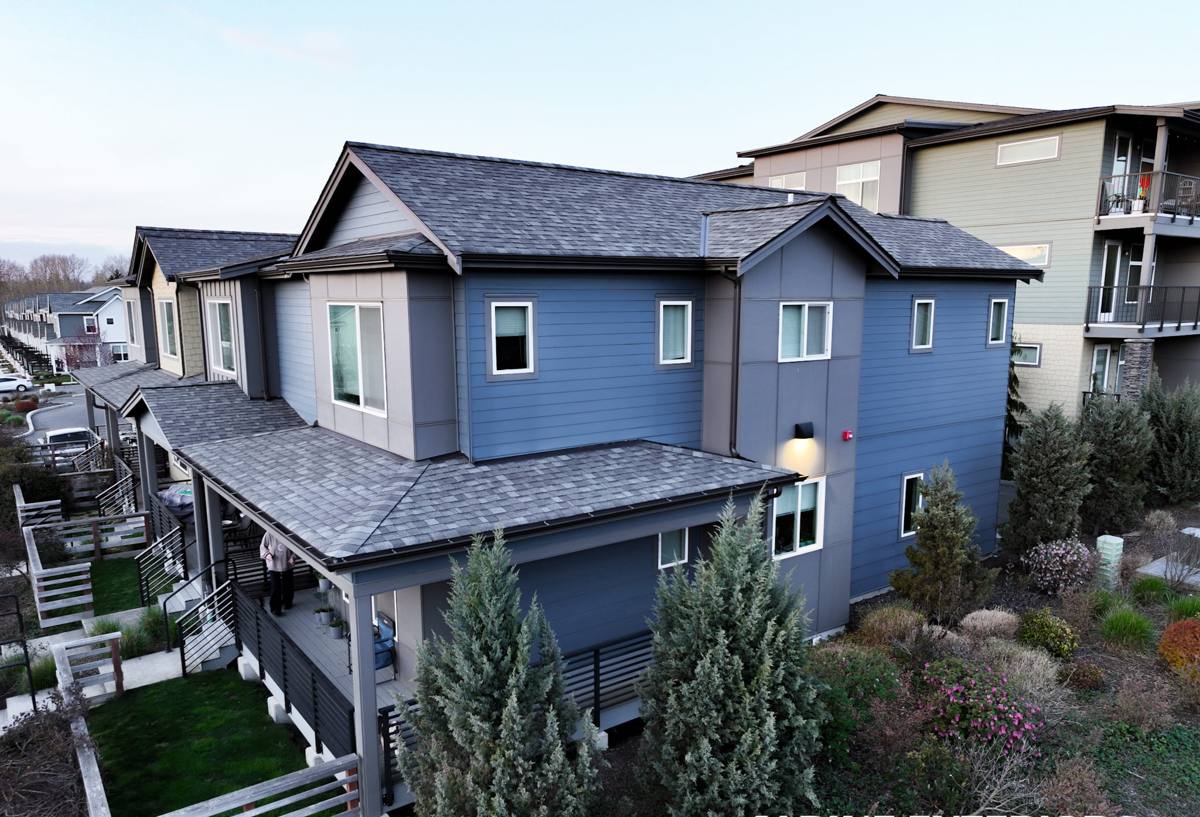
What Florida's Climate Does to Siding Over Time
Every siding material eventually shows wear here, but the way it fails — and how urgently that failure needs attention — depends on what's causing it.
Intense, Year-Round UV
Florida sun isn't seasonal the way it is farther north. Siding here takes a near-constant UV load, which breaks down paint films, fades color, and dries out caulking and sealants faster than manufacturers' national averages would suggest. Once a protective finish starts chalking or cracking, the material underneath loses its main defense against moisture.
Wind-Driven Rain
St. Petersburg doesn't just get rain — it gets rain pushed sideways by wind, which finds every gap, lapped seam, and fastener hole that isn't sealed correctly. Wind-driven rain is one of the biggest causes of hidden moisture damage behind siding, because it gets pushed into places vertical rain never would.
Salt Air
Being close to Tampa Bay and the Gulf means airborne salt is a constant, low-grade corrosive presence, even well inland from the water. Salt accelerates corrosion on fasteners, trim flashing, and any exposed metal components, and it speeds up the breakdown of lower-grade siding materials and finishes.
Hurricane-Force Wind
Pinellas County sits in an active hurricane corridor. Even when a storm doesn't do dramatic damage, repeated wind loading works siding loose over time — panels flex, fasteners back out, seams open up — and that cumulative stress often shows up as the kind of cracking, warping, or gapping that eventually needs repair.
Signs Your Siding Needs Repair, Not Just a Look
Some siding problems are obvious. Others are quiet until they aren't. If you're seeing any of the following on your Bartlett Park home, it's worth having it looked at before the next storm season or the next humid summer does more damage underneath:
- Cracked, split, or buckled panels or boards, especially near corners and window trim
- Soft or spongy spots when you press on the siding, which usually means moisture has reached the substrate
- Peeling or bubbling paint that keeps coming back in the same spot
- Visible gaps at seams, butt joints, or where siding meets trim, windows, or doors
- Staining, streaking, or dark patches that don't wash off
- Siding that's warped, bowed, or pulling away from the wall
- Rust streaks around fasteners or trim flashing
- Higher-than-usual cooling bills, which can point to moisture or insulation loss behind damaged siding
None of these mean you automatically need to re-side the whole house. But they do mean something behind the surface needs an honest look, not just a patch on top.
Repair vs. Replacement: How We Make the Call
One of the most common questions homeowners ask is whether a problem area can be repaired or whether it's really pointing to a bigger issue. There's no universal answer, but there are consistent factors we weigh on every inspection.
| Factor | Favors Repair | Favors Replacement |
|---|---|---|
| Extent of damage | Isolated to one section or a few boards | Spread across multiple walls or elevations |
| Moisture behind the siding | Dry substrate, no rot found | Soft sheathing, rot, or mold present |
| Material match | Matching product still available | Discontinued profile, color, or brand |
| Age of existing siding | Relatively recent, otherwise sound | Near or past expected service life |
| Underlying cause | One-time damage (impact, isolated flashing failure) | Systemic issue (poor original install, chronic moisture path) |
The honest answer, more often than not for a single damaged section on an otherwise sound wall, is that a targeted repair is the right call — as long as it's done correctly and the cause of the damage gets fixed, not just the symptom.
What a Correct Siding Repair Actually Involves
A siding repair that's only skin-deep tends to fail again within a season or two, especially with the wind and moisture load Pinellas County homes deal with. A repair done right involves a few steps that are easy to skip and expensive to skip.
Finding the Real Cause First
Cracked or stained siding is a symptom. Before any board gets replaced, we look for what actually caused the damage — failed caulking, a flashing gap, a fastener driven wrong, trapped moisture from a landscaping or irrigation issue. Replacing the visible damage without fixing the cause just buys time before the same spot fails again.
Checking What's Behind the Siding
Any time we open up a damaged section, we check the sheathing and house wrap underneath for moisture or soft spots. Siding can look fine on the surface while water has already been working on the wall behind it — this is especially common with wind-driven rain intrusion, which doesn't always leave obvious surface staining right away.
Matching Material and Finish
A patch that doesn't match reveals itself immediately — different color, different reveal, different texture. Getting a repair to disappear into the existing wall takes matching not just the product line but the exposure and finish, which is a lot easier when the original installation was done to spec in the first place.
Flashing, Fasteners, and Sealant — Done to Spec
Most repeat siding failures trace back to flashing that wasn't lapped correctly, fasteners driven too tight or too loose, or sealant used where a mechanical flashing detail should have been used instead. These details matter more here than in milder climates, because wind-driven rain and hurricane-force gusts will find and exploit any shortcut.
Why We Standardize on James Hardie
We install James Hardie fiber cement siding exclusively — we don't install vinyl, LP SmartSide, Cemplank, Allura, or primed wood siding. That standard shapes how we approach repair work too. Hardie's ColorPlus factory finish and fiber cement composition hold up well to the exact stresses that are hardest on siding here: it doesn't burn, it resists moisture-driven warping better than wood-based products, and its factory-baked finish holds color longer under constant UV than field-applied paint typically does.
When we're repairing an existing Hardie installation, matching material and technique is straightforward because it's what we work with every day. When a repair call comes in for a different siding material, we'll still give you an honest assessment of the damage and what's driving it. But if the material is aging out, hard to match, or the underlying problem points toward a bigger issue than a patch can solve, we'll tell you that plainly — and if replacement makes more sense, Hardie is what we recommend, for the same reasons it's the only product we install.
Our Process for Bartlett Park Siding Repairs
- Inspection. We look at the damaged area and the surrounding wall, not just the spot you called about, since related issues often show up nearby.
- Moisture and substrate check. Wherever we open up siding, we check what's underneath before closing it back up.
- Honest scope. You get a clear picture of what's a straightforward repair, what needs a larger section addressed, and why.
- Correct materials and technique. Matched siding, proper flashing details, correct fastening — installed to manufacturer spec, not shortcuts.
- Cleanup and final check. The repair should blend into the wall and hold up the same way the original installation should have.
Why Local Experience in Bartlett Park Matters
A siding repair crew that regularly works in and around St. Petersburg has already seen how homes in neighborhoods like Bartlett Park age under this specific climate — the way sun exposure differs by elevation and orientation, how storm wind tends to find the same weak points on similar housing types, and what past installation practices from different eras in this area tend to look like once you open a wall up. That familiarity means fewer surprises during a repair, faster accurate diagnosis, and less guesswork about what's actually causing a problem versus what's just cosmetic.
It also means we're accountable locally. We're not passing through — repair work in this neighborhood is repeat business we want to stand behind.
Keeping Repaired Siding Performing
Once a repair is done correctly, a little routine attention keeps it — and the rest of your siding — from needing the same fix twice:
- Rinse siding periodically to clear salt residue and airborne grime, especially on sides facing prevailing wind
- Walk the exterior after major storms and check caulking, trim joints, and any previously repaired areas
- Keep sprinklers and landscaping from spraying directly on siding or trapping moisture against it
- Re-caulk joints and seams before they visibly fail, not after
- Have any soft spots, staining, or recurring paint failure checked promptly rather than waiting
If you're seeing damage on your Bartlett Park home's siding, or you're just not sure whether what you're looking at is a simple repair or something bigger, we're happy to take a look. Request a free, no-pressure estimate using the form below, and we'll give you a straight answer about what your siding actually needs.