 St. Petersburg
 Windows on a Barrier Island Take a Different Kind of Beating
St. Pete Beach sits out on a narrow strip of sand between the Gulf of Mexico and Boca Ciega Bay, and that location changes what a window has to survive. Homes here deal with salt-laden air rolling in off the water every day, direct UV exposure for most of the year, wind-driven rain that finds its way into anything less than a tight, properly flashed opening, and — during hurricane season — sustained winds and flying debris that inland Pinellas County properties simply don't see in the same way. A window that's fine in a subdivision ten miles inland can fail years earlier on St. Pete Beach, or fail outright in a storm, if it wasn't selected and installed with this environment in mind.
This page is specifically about window replacement for St. Pete Beach properties — what the local conditions demand, what a correct installation actually involves, and how we approach the job. It's not a generic overview of windows; it's the version of that conversation we have with barrier-island homeowners.
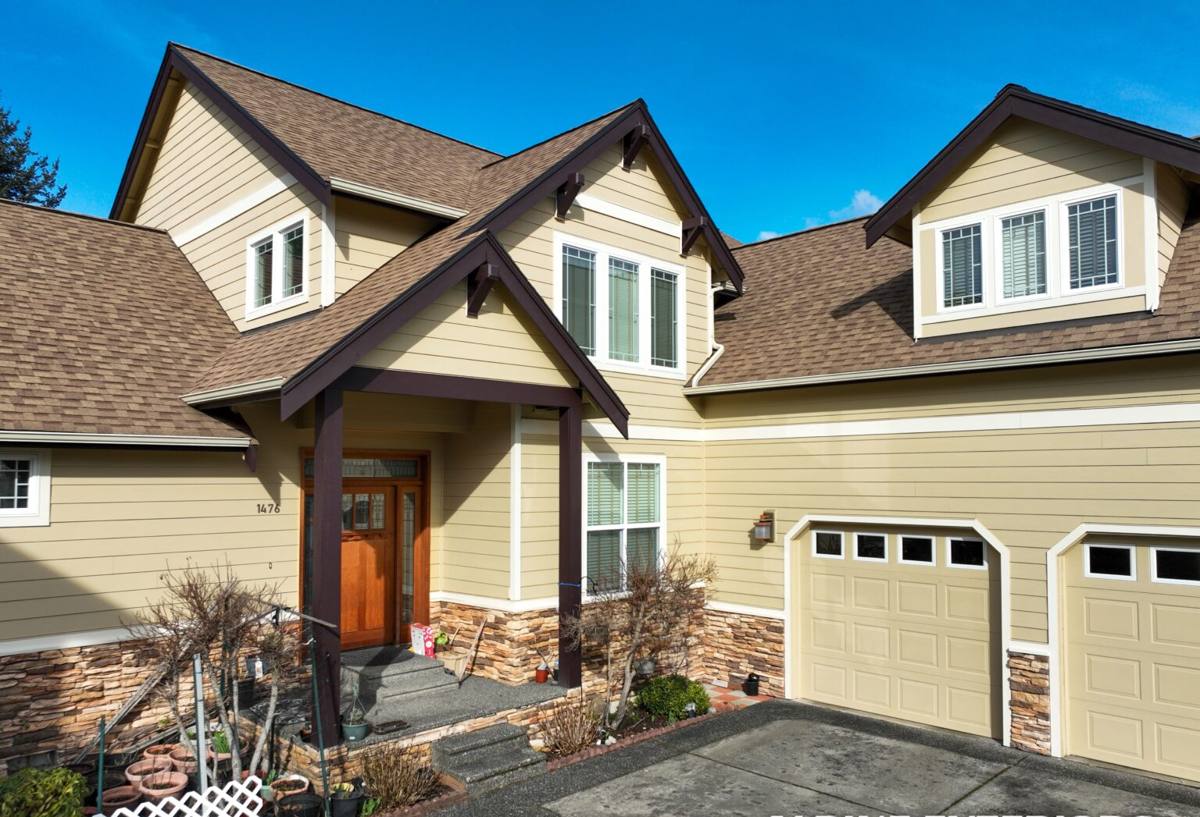
How Coastal Exposure Shows Up in Aging Windows
If your windows are original to the house or more than 15-20 years old, salt air and sun exposure tend to produce a specific set of problems rather than random wear:
- Aluminum frames that have pitted, chalked, or corroded around hardware and hinges
- Hazy, fogged, or foggy-at-the-edges glass, which means the seal between panes has failed
- Wood or composite sills that feel soft, or paint/caulk lines that keep cracking no matter how often they're redone
- Windows that whistle, rattle, or let in a draft during onshore wind
- Visible daylight or water staining around the frame after wind-driven rain
- Hardware — locks, cranks, balances — that's stiff, corroded, or no longer holding the sash tight
Any one of these is worth a look. Several together usually mean the windows are past the point where caulk and hardware repairs solve the underlying problem, and replacement becomes the more honest recommendation.
What "Impact-Rated" Actually Means Out Here
Because St. Pete Beach falls within Florida's High-Velocity Hurricane Zone design pressure requirements for coastal Pinellas County, replacement windows here generally need to meet a higher wind-load and impact standard than the same product sold for an inland address. In practice that means the glass and frame assembly has been tested against large-missile impact and cyclical wind pressure, not just rated for general "hurricane" marketing language.
Two approaches satisfy Florida's coastal code, and it's worth understanding the trade-off between them before you decide:
Impact-Rated Windows
Laminated glass with a reinforced frame that's engineered to stay intact — glass may crack under a direct hit, but the interlayer keeps it from breaching, so the building envelope holds. No shutters to store, deploy, or forget. This is what most St. Pete Beach homeowners choose because it's a one-time installation with no storm-day labor.
Standard Windows Plus Approved Shutters or Panels
A code-compliant opening protection system paired with non-impact glass. This can lower the up-front window cost, but it shifts ongoing responsibility onto you — panels have to be stored somewhere dry, tracked down, and installed before every storm, and the window itself still isn't protected the rest of the year from wind-driven debris, break-ins, or the UV degradation impact glass' laminate helps resist.
We'll install either approach correctly, but for a barrier-island property we're generally going to recommend impact-rated glass as the standard, and explain honestly why if you're considering the shutter route instead.
Frame Material: What Holds Up in Salt Air
| Frame Material | How It Handles Salt Air & Sun | Maintenance |
|---|---|---|
| Vinyl | Won't corrode; UV-stabilized formulations resist yellowing and brittleness better than older vinyl did | Low — occasional cleaning, no repainting |
| Fiberglass | Very stable in heat and salt exposure; expands/contracts close to glass, reducing seal stress | Low |
| Aluminum (marine-grade, properly coated) | Strong and slim sightlines, but ordinary aluminum pits and corrodes near the Gulf without the right coating | Moderate — coating and hardware need periodic attention |
| Wood or wood-clad | Handsome, but the most vulnerable to humidity, salt, and UV on a barrier island unless heavily maintained | High |
We don't push wood-frame replacements on direct coastal properties like St. Pete Beach as our default recommendation — not because wood windows are a bad product broadly, but because the maintenance burden and moisture sensitivity in this specific environment work against the homeowner over time. If you have your heart set on a wood look, clad options exist that get closer to that appearance while keeping the exposed exterior face in a more weather-resistant material. That's a conversation we're happy to have honestly, trade-offs included.
Glass: UV and Heat Matter as Much as Impact Rating
Impact resistance protects the opening in a storm, but day-to-day comfort and your energy bill come down to the glass package. In this part of Florida, look for:
- Low-E coatings tuned for a hot, sunny climate — they reduce solar heat gain without darkening the glass noticeably
- Laminated interlayers that also block a significant share of UV transmission, which slows fading of flooring, furniture, and fabrics
- Insulated (dual-pane) construction paired with the laminated impact layer, which helps with both energy performance and sound — useful given how much road and beach-area noise a single-pane window lets through
- Tinted or spectrally selective options for west- and south-facing exposures that take the brunt of Gulf-side sun
How the Replacement Process Works
- On-site assessment. We look at existing frame condition, opening sizes, wind exposure by elevation (Gulf-facing walls typically need the highest design pressure rating on the house), and any water intrusion or rot around current openings.
- Product and pressure-rating selection. Window specs are matched to your home's specific design pressure requirements, not a one-size-fits-all number — a second-story Gulf-facing window and a sheltered rear window on the same house can carry different requirements.
- Permitting. Window replacement in St. Petersburg and unincorporated Pinellas County requires a permit, and coastal properties are reviewed against High-Velocity Hurricane Zone provisions. We handle the permit application and inspection scheduling.
- Removal and opening prep. Old frames come out, and we inspect the rough opening for wood rot, corrosion, or water damage before anything new goes in — sealing over a compromised opening is one of the most common causes of premature failure and leaks.
- Installation and flashing. Correct flashing and sealant work at the window-to-wall junction is what actually keeps wind-driven rain out; this is where a rushed install shows up as a leak within a year or two.
- Final inspection and walkthrough. We confirm proper operation, sealing, and code compliance, and pass final municipal inspection before calling the job done.
Cost Factors Worth Understanding Up Front
| Factor | Why It Moves the Price |
|---|---|
| Window count and size | Larger openings and picture windows cost more per unit than standard operable sizes |
| Design pressure requirement | Gulf-facing and upper-floor openings often need a higher-rated (and pricier) assembly than sheltered elevations |
| Frame material | Vinyl is typically the most economical; fiberglass and coated aluminum cost more up front but hold up better long-term in this climate |
| Opening condition | Rot, corrosion, or out-of-square framing found during removal adds repair scope before the new window can go in |
| Access and elevation | Second-story or hard-to-reach openings take more labor and sometimes equipment |
We provide a written, itemized estimate before any work starts, and we'll walk you through exactly what's driving the number for your home rather than a flat per-window price that ignores your specific conditions.
Why a Crew That Already Works St. Pete Beach Is Worth It
Window replacement here isn't just a product decision — it's a permitting, code, and installation-detail decision that's specific to Pinellas County's coastal zone. A crew that regularly pulls permits and passes inspections in St. Petersburg and on St. Pete Beach knows the local plan review expectations, the design pressure requirements by elevation, and the flashing and sealant details that actually hold up against wind-driven rain here — not just what's technically code-minimum elsewhere in the state. That familiarity shows up as fewer surprises during permitting and inspection, and a lower chance of a callback for a leak six months after move-in.
Keeping New Windows Performing in This Climate
A correctly installed window still benefits from basic upkeep in a salt-air environment:
- Rinse frames and glass periodically to clear salt residue, especially on Gulf-facing elevations
- Check and lubricate hardware — locks, cranks, hinges — once or twice a year
- Inspect exterior caulk and sealant lines annually and touch up before small gaps become leaks
- Keep weep holes clear of sand, debris, and insect nests so water drains as designed
- After any major storm, do a visual check of frames and seals even if nothing looks obviously wrong
If you're weighing whether it's time to replace the windows on a St. Pete Beach property, we're glad to take a look and give you a straight answer — whether that's a full replacement, a partial one focused on the worst-exposed elevation, or simply confirmation that your current windows have some life left. Reach out for a free, no-pressure estimate using the form below.