 St. Petersburg
 Why St. Pete Beach Puts Extra Demands on a Roof
A roof on a barrier island doesn't age the same way a roof a few miles inland does. St. Pete Beach sits right on the Gulf, which means every shingle up there deals with salt-laden air, near-constant sun, and wind that doesn't let up even on calm days. Add in Pinellas County's hurricane season and the wind-driven rain that comes with it, and you've got a roofing environment that's genuinely harder on materials than most of the country ever sees.
None of that means asphalt shingles are the wrong choice for a home out here — they're still one of the most practical, cost-effective options available, and modern shingle products are built to handle a lot of abuse. But it does mean the product you pick and the way it's installed matter more than they would somewhere with milder weather. A roof that would be fine in a low-wind, low-humidity climate can fail early here if it's built to a generic standard instead of a coastal one.
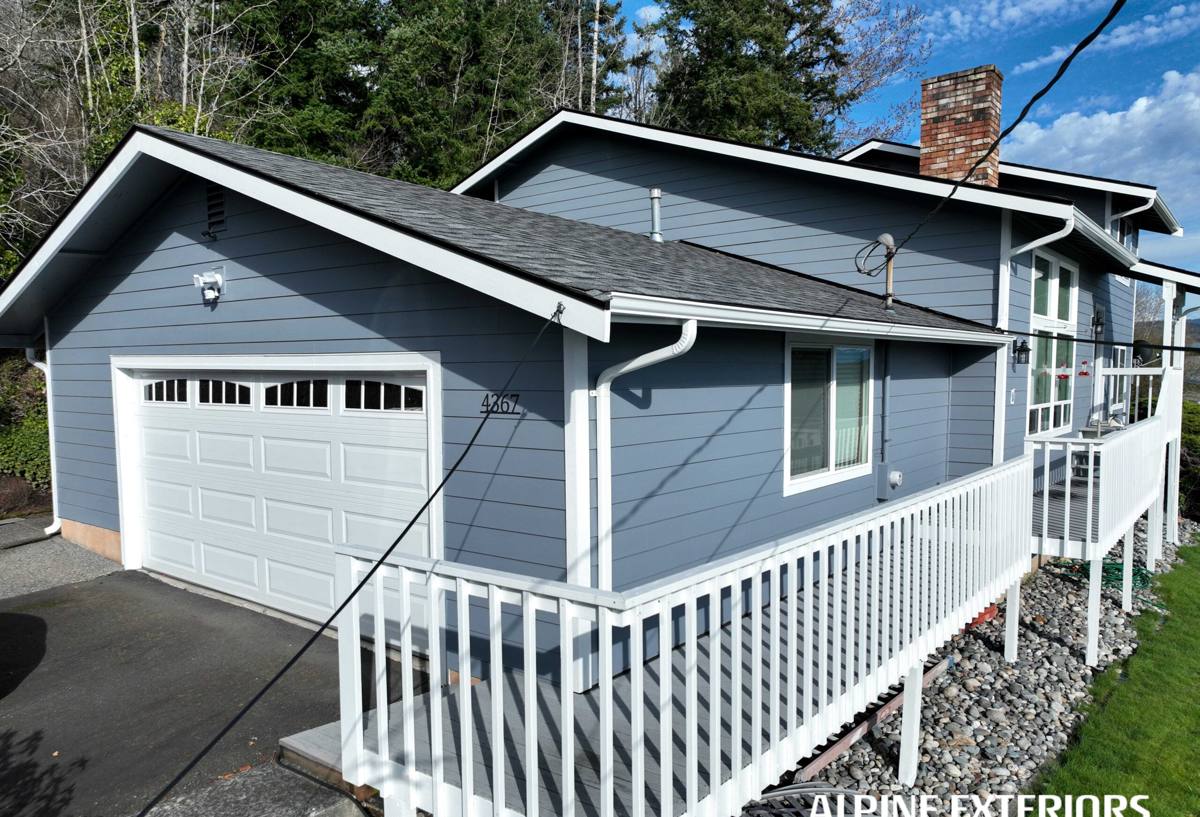
What a Correctly Installed Roof Needs in This Climate
Wind Resistance Starts With Fastening, Not Just the Shingle
A shingle's wind rating on the wrapper only means something if it's installed the way the manufacturer specifies. That means the right number of nails, placed in the right nailing zone, driven flush (not overdriven, which tears the shingle, and not underdriven, which lets it lift). On a St. Pete Beach roof, we don't treat that as optional — it's the difference between a roof that holds through a tropical storm and one that loses shingles in a strong afternoon squall.
Underlayment Is the Backup Plan
Shingles are the first line of defense, but wind-driven rain during a coastal storm can push water sideways and up under shingle edges. A synthetic underlayment with properly sealed laps, plus self-adhered waterproof membrane at eaves, valleys, and roof-to-wall intersections, is what keeps that water out of the decking even when the shingles themselves are taking a beating.
Ventilation Protects the Roof From the Inside
Florida attics run hot, and a poorly ventilated roof deck cooks the underside of the shingles and the roofing nails from below while UV bakes them from above. Balanced intake and exhaust ventilation — soffit vents paired with ridge or box vents — lets that heat and moisture escape instead of shortening the life of the material and, in some cases, voiding the shingle manufacturer's warranty.
Choosing the Right Shingle for a Coastal Home
Not every asphalt shingle is built for the same conditions. For a St. Pete Beach home, the choice usually comes down to balancing wind performance, appearance, and budget.
| Shingle Type | Typical Wind Rating | Best Suited For |
|---|---|---|
| 3-tab | Up to roughly 60-70 mph | Budget-conscious jobs on sheds, low-exposure structures; generally not our first recommendation for direct coastal exposure |
| Architectural (laminated) | Typically rated up to around 110-130 mph when installed per spec | Most St. Pete Beach homes — solid balance of durability, appearance, and cost |
| Impact-rated (Class 4) | High wind ratings plus impact resistance | Homeowners prioritizing storm resilience and, in some cases, insurance premium credits |
We also pay attention to algae-resistant granules. The Gulf's humidity and salt air create ideal conditions for the dark streaking that comes from algae growth on a roof, and most reputable manufacturers now build algae resistance into their granule coatings. It's a small spec detail, but on a coastal home it affects how the roof looks five years down the road, not just how it performs.
How We Approach a St. Pete Beach Roofing Job
- Inspection and honest assessment. We look at the existing roof, the decking underneath where accessible, ventilation, and flashing before recommending anything — repair, partial replacement, or full replacement.
- Tear-off, not overlay. On a full replacement, we remove the old roofing down to the deck so we can check for rot, soft spots, or prior water damage rather than covering problems up.
- Deck repair as needed. Any damaged or delaminated decking gets replaced before new underlayment goes down — skipping this step is one of the most common shortcuts that leads to early failure.
- Underlayment and flashing. Waterproof membrane at vulnerable areas, synthetic underlayment across the field, and new flashing at chimneys, walls, and penetrations rather than reusing old flashing.
- Shingle installation to spec. Correct nailing pattern, starter strip, and exposure — the details that determine whether the wind rating on the package actually applies to your roof.
- Ventilation check. We confirm intake and exhaust are balanced before calling the job finished.
- Final walkthrough. We go over what was done and what to expect from the roof going forward, plainly and without upselling.
Trouble Spots Salt Air and Storms Create
Certain parts of a roof take more punishment than the open field of shingles, and they're where most leaks and premature failures start:
- Valleys — where water concentrates and moves fastest, and where debris can build up if not kept clear
- Roof-to-wall intersections — a common leak point if step flashing wasn't installed or was reused instead of replaced
- Pipe boots and vent flashing — rubber boot gaskets degrade faster under intense Florida UV than most other roofing components
- Exposed fasteners — salt air accelerates corrosion on any metal that isn't coated or stainless, which is why fastener choice matters more here than inland
- Ridge caps — the highest, most wind-exposed part of the roof, and often the first place shingles lift in sustained wind
We inspect these areas specifically, not just the field of the roof, because that's where a coastal roof actually loses its fight with the weather.
What Affects the Cost of Your Roof
Every roof is different, so we don't quote sight unseen — but these are the factors that typically move the price up or down on a St. Pete Beach job:
| Factor | Why It Matters | Relative Cost Impact |
|---|---|---|
| Roof pitch and complexity | Steep or cut-up roofs take longer to work safely and generate more waste | Medium-High |
| Decking condition | Rotted or delaminated plywood found during tear-off has to be replaced | Variable — depends on damage found |
| Shingle class chosen | 3-tab, architectural, and impact-rated products carry different material costs | Low to High |
| Number of penetrations | Vents, skylights, and chimneys each need flashing work | Low-Medium |
| Ventilation upgrades | Adding or correcting intake/exhaust vents where the existing system is inadequate | Low-Medium |
| Permitting and inspections | Required for any full roof replacement in Pinellas County | Fixed, modest |
Keeping Your Roof Sound Between Storms
A well-installed roof still needs occasional attention, especially after named storms move through the area. A quick homeowner check after any significant wind event can catch small problems before they become interior damage:
- Look for missing, curled, or cracked shingles from the ground or a safe vantage point
- Check gutters and downspouts for excessive granule buildup, which can signal accelerated shingle wear
- Watch ceilings and attic spaces for staining or damp spots after heavy rain
- Clear valleys and low points of leaves, palm debris, and standing organic matter
- Have flashing and pipe boots checked every couple of years, since these fail well before the shingles typically do
- Schedule a professional inspection after any storm with sustained winds strong enough to concern you
Permits, Codes, and Insurance Considerations in Pinellas County
Roof replacements in St. Pete Beach fall under Pinellas County and Florida Building Code requirements, which include specific standards for wind resistance given the area's hurricane exposure. A permitted, code-compliant install isn't just a formality — it's what stands between you and a denied insurance claim if a storm does cause damage. We handle the permitting process as part of the job rather than leaving it to the homeowner.
It's also worth knowing that a properly documented, wind-rated roof can factor into your windstorm insurance premium through Florida's wind mitigation inspection process. We can't promise a specific discount — that's between you and your insurer — but we build roofs that are positioned to qualify, and we can provide the documentation needed for that inspection.
Why Hiring a Crew That Already Works St. Pete Beach Matters
Roofing crews that mostly work inland don't run into salt air corrosion, barrier-island wind exposure, or the specific permitting process for coastal Pinellas County on a regular basis. That unfamiliarity shows up later — in fastener choices that corrode faster than they should, flashing details that weren't built for wind-driven rain, or ventilation that wasn't sized for a Gulf-front attic. We work in this area regularly, which means we're not guessing at what holds up here — we're applying what we already know works on homes like yours.
If your roof is showing its age, was damaged in recent weather, or you're just planning ahead, we're happy to take a look and give you a straight answer about what it needs. Use the form below to request a free, no-pressure estimate.