 St. Petersburg
 Siding Replacement Built for Snell Isle's Waterfront Conditions
Snell Isle sits right up against the water, and that location is exactly why siding on these homes wears differently than siding a few miles inland. Between the salt-laden air coming off Tampa Bay, near-constant UV exposure, wind-driven rain, and the occasional hurricane-force gust, the exterior envelope on a Snell Isle home works harder than most. A siding replacement here isn't a cosmetic upgrade you can approach the same way you would in a landlocked neighborhood — it's a system that has to hold up to a specific, aggressive set of conditions year after year.
This page covers what Snell Isle homeowners actually need to know before replacing siding: what the local climate does to different materials over time, what a correct installation involves, how our process works on a project in this neighborhood, and why it matters that the crew on your roofline already understands this environment.
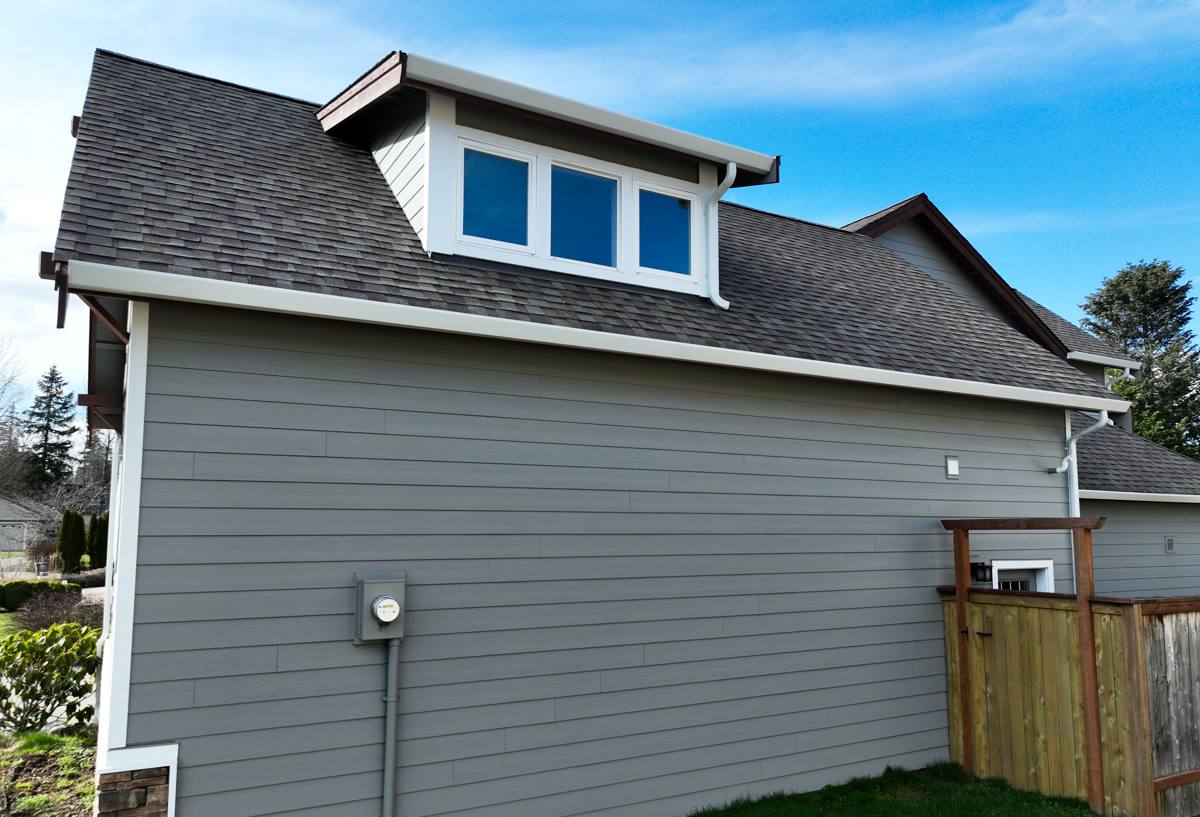
What Waterfront Exposure Does to Siding Over Time
St. Petersburg's climate is tough on exteriors generally, but proximity to open water amplifies every factor at once:
Salt air and corrosion
Airborne salt doesn't just sit on the surface — it works into fasteners, trim joints, and any seam where two materials meet. Over years, that accelerates corrosion in metal components and breaks down caulking and sealants faster than in areas set back from the water.
UV load
Florida sun is intense nearly twelve months a year. Painted siding, especially anything field-painted rather than factory-finished, chalks, fades, and loses its protective film well before a homeowner expects to repaint. Color consistency and finish durability become real, ongoing maintenance line items.
Wind-driven rain
Rain in Pinellas County rarely falls straight down during a storm — it's pushed sideways into walls, seams, and penetrations. Siding systems and the water-resistive barrier behind them have to be installed with that reality in mind, not just installed to look right on a calm day.
Hurricane-force wind events
Snell Isle's exposure means wind load isn't a theoretical building-code line item — it's a real annual risk. Fastening schedules, panel selection, and trim detailing all need to account for wind uplift and impact, not just meet the bare minimum.
Signs Your Snell Isle Home's Siding Needs Replacing
Because these stressors compound, siding here can show damage sooner and in different ways than the same product would inland. Common warning signs we see on waterfront-area homes include:
- Soft or spongy spots when you press on siding panels, especially near the bottom courses and around window trim
- Visible cupping, buckling, or gaps between panels
- Paint that's chalking heavily or has faded unevenly, particularly on the sides facing open water
- Rust streaking below fasteners or trim pieces
- Caulking that's cracked, shrunk, or pulled away from joints
- Interior signs — peeling paint, musty odor, or discoloration on walls that back up to exterior siding
- Visible rot at corners, around penetrations, or where siding meets roofline and foundation
Any one of these on its own might be a minor repair. Several together, especially on a home that's had multiple storm seasons since its last siding work, usually means it's time to plan a full replacement rather than keep patching.
Why We Install Only James Hardie Fiber Cement
We don't install vinyl, LP SmartSide, cedar, or primed wood siding. That's a deliberate standard, not a limitation of what we're capable of installing — and it matters more in a neighborhood like Snell Isle than almost anywhere else in our service area.
Vinyl softens and can warp under sustained high heat and takes a beating in high-wind events; it's also not fire-resistant. Untreated or primed wood and engineered wood products need consistent, disciplined maintenance to keep moisture out, and a waterfront environment doesn't give much room for maintenance to slip. James Hardie fiber cement is non-combustible, doesn't rot, and holds its shape and finish under the sun and salt exposure that define this stretch of coastline. Hardie's ColorPlus factory finish is baked on under controlled conditions rather than field-applied, which matters directly for the fading and chalking issue described above. For a home exposed to this much sun and salt air, that difference shows up in how the house looks five and ten years out, not just on installation day.
| Factor | James Hardie Fiber Cement | Vinyl | Untreated Wood / Primed Products |
|---|---|---|---|
| Fire resistance | Non-combustible | Combustible, can soften/warp in heat | Combustible |
| Moisture/rot resistance | Engineered to resist moisture, doesn't rot | Won't rot, but seams can allow water intrusion | Vulnerable without diligent upkeep |
| UV/color stability | Factory ColorPlus finish resists fading | Can fade and chalk over time | Field paint fades faster in intense sun |
| Wind/impact performance | Rigid, holds up well when properly fastened | Can crack or blow off in high wind | Varies; depends on species and installation |
| Maintenance burden | Low — periodic cleaning, repaint on a long cycle | Low, but limited repair options if damaged | High — regular repainting and sealing |
What a Correct Siding Replacement Actually Involves
The visible siding is only part of the system. A job done right on a Snell Isle home includes several layers most homeowners never see:
Full tear-off and substrate inspection
Old siding comes off completely so we can inspect the sheathing underneath for rot, soft spots, or prior water damage — problems that get hidden, not fixed, if you install new siding over old.
Water-resistive barrier and flashing
A properly lapped weather barrier and correctly integrated flashing around windows, doors, and penetrations is what actually keeps wind-driven rain out of the wall assembly. This step matters more here than almost anywhere inland.
Correct fastening for wind zone
Fastener type, spacing, and embedment need to match the wind exposure this location faces — not a generic, minimum-code approach.
Trim, caulking, and finish details
Corners, joints, and trim transitions are where failures usually start. Careful detailing here is what separates siding that lasts decades from siding that needs attention again in a few years.
Our Process for Snell Isle Projects
- On-site assessment — we inspect existing siding, trim, and visible substrate condition, and talk through what we're seeing with you directly.
- Written scope and product selection — you get a clear plan covering the Hardie product line, color, and trim details for your home.
- Prep and tear-off — full removal of old siding and inspection of what's underneath before anything new goes up.
- Barrier, flashing, and fastening — the parts of the job that determine how the house performs in the next storm, done to spec rather than shortcut.
- Installation and finish work — panels, trim, and joints installed and detailed for a clean, consistent result.
- Final walkthrough — we go over the completed work with you before calling the job done.
Why a Crew That Already Works Snell Isle Matters
Waterfront neighborhoods like Snell Isle come with practical realities that a crew unfamiliar with the area has to learn on your project instead of already knowing: tighter lot layouts near the water, drainage and grading considerations near the shoreline, and a general expectation among neighbors that exterior work is done carefully and cleaned up properly each day. A contractor who's already done siding work in this specific area brings that context in on day one instead of figuring it out during your job.
It also means we've already made the judgment calls this climate demands — how much wind exposure to plan for, how aggressively to detail flashing and fastening, and which Hardie product line fits a home exposed to this much salt air and sun. That's experience you're paying for whether you see it or not.
What This Means for Your Timeline and Budget
Several factors drive cost and schedule on a Snell Isle siding replacement more than they would on a typical inland home: the extent of substrate repair needed if water has already gotten behind old siding, the complexity of trim and architectural detailing, and whether flashing and barrier work needs to be brought up to current standards rather than just matched to what was there before. We walk through all of this with you in plain terms during the assessment, before any contract is signed, so there are no surprises once work starts.
If your Snell Isle home's siding is showing wear, or you're simply planning ahead of the next storm season, we're happy to take a look and give you a straightforward, no-pressure estimate — no obligation, just a clear picture of what your home actually needs.