 St. Petersburg
 Siding Repair in Euclid-St. Paul: What Makes This Neighborhood Different
Euclid-St. Paul sits among St. Petersburg's older, established residential neighborhoods, where homes span decades of Florida building styles — from vintage bungalows to mid-century additions to more recent remodels. That mix matters when it comes to siding repair. A repair crew working here needs to recognize several generations of siding materials and installation methods on the same block, sometimes on the same house, and know how each one fails differently under Pinellas County conditions.
We're not a national chain dispatching a different crew every visit. When we work in St. Petersburg neighborhoods like Euclid-St. Paul, the same local team handles the inspection, the repair plan, and the install — which means fewer surprises and a repair that's matched to what's actually on your wall, not a generic checklist.
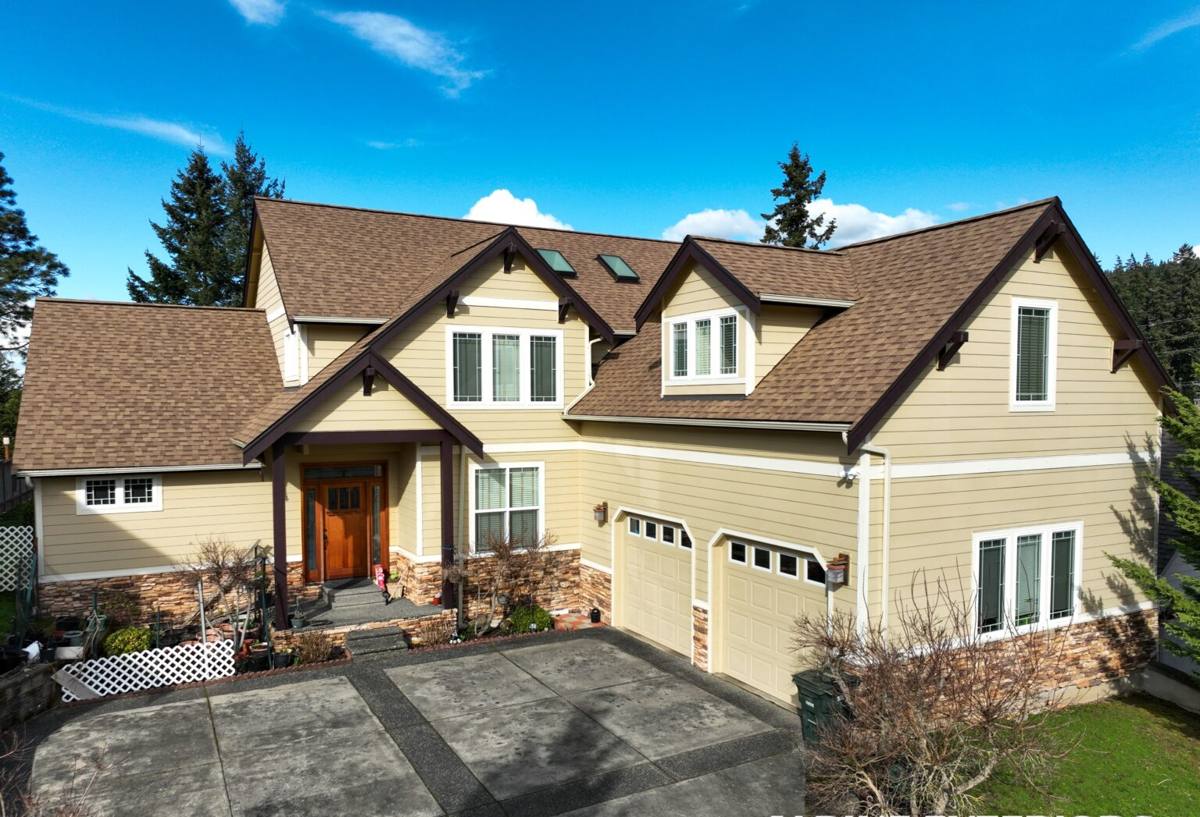
What St. Petersburg's Climate Does to Siding Over Time
Pinellas County sits on a peninsula, and that location cuts both ways: beautiful views, brutal exposure. Siding here takes a combination of stresses that inland Florida homes simply don't see to the same degree.
Hurricane-Force Wind and Wind-Driven Rain
St. Petersburg's storm season brings sustained winds and gusts that test every seam, fastener, and joint in a siding system. Wind alone rarely destroys siding outright — it's wind-driven rain, forced sideways and upward under normal gravity-based flashing details, that gets behind panels and starts rot, mold, and sheathing damage that isn't visible from the street.
Intense, Year-Round UV
Florida's UV load doesn't take an off-season. Sun exposure breaks down caulk, fades paint film, and — on lower-grade or improperly finished materials — causes fiber-cement substrates or wood-based products to chalk, crack, and lose their factory bond years earlier than the same product would in a milder climate.
Salt Air and Humidity
Being close to Tampa Bay and the Gulf means a steady low-level exposure to salt-laden air, even away from direct waterfront. Salt accelerates corrosion on fasteners and trim, and combined with St. Petersburg's humidity, it keeps moisture in contact with siding longer than a drier climate would allow — which is exactly the condition that lets rot and mold take hold behind a compromised joint.
None of these factors act alone. A wind event opens a seam, UV has already weakened the caulk sealing it, and salt-humid air keeps the opening wet longer than it should be. That combination is why siding problems in this area tend to show up as a cluster of small failures rather than one dramatic one — and why a repair that only addresses the visible symptom often doesn't last.
Common Siding Repair Issues We See in This Area
Every home is different, but certain patterns repeat across Euclid-St. Paul and the surrounding St. Petersburg neighborhoods. Recognizing which one you're dealing with changes the right fix.
| What You Notice | Likely Cause | Why It Matters |
|---|---|---|
| Soft or spongy spots when pressed | Moisture intrusion behind the panel, often from a failed joint or missing flashing | Usually means sheathing damage underneath — patching the surface won't stop it |
| Cracking along panel edges or corners | Wind flex over time, or a product not rated for coastal wind exposure | Cracks are entry points for wind-driven rain; they widen each storm season |
| Peeling or chalking paint film | UV breakdown of a field-applied or lower-grade factory finish | Once the finish fails, the substrate underneath is exposed to the same UV and moisture cycle |
| Rust streaking near fasteners or trim | Salt-air corrosion of nails, screws, or trim coil | Corroded fasteners lose holding power, which is a wind-uplift risk in storm season |
| Visible gaps at seams, corners, or window trim | Original caulk or sealant reaching end of life under constant UV load | Gaps are the single most common path for water behind otherwise sound siding |
| Warping or buckling panels | Trapped moisture, or panels installed without proper expansion clearance | Indicates an installation issue, not just weathering — repair should correct the root cause |
Repair or Replace? How We Make That Call
Not every damaged section needs a full re-side, and we don't push replacement when a targeted repair will hold up. But we also won't patch over a problem that's going to resurface in one storm season. Here's how we think about it on site.
| Factor | Favors Repair | Favors Replacement |
|---|---|---|
| Extent of damage | Isolated to one or two panels or a single elevation | Spread across multiple walls or recurring in the same spots |
| Sheathing condition | Dry, solid substrate behind the damaged area | Soft, rotted, or previously repaired sheathing found on inspection |
| Underlying material | Sound siding system that simply needs a section replaced or resealed | Aging or discontinued product where matching panels reliably isn't possible |
| Age of existing siding | Well within its expected service life | Already past the point where one repair just buys a year or two |
| Storm history | Damage traceable to a specific, one-time event | Pattern of recurring wind or water damage across multiple seasons |
When a repair is the right call, we do it properly — matching material, respecting manufacturer fastening and clearance specs, and sealing details the way they should have been done originally. When the underlying siding is past that point, we'll tell you plainly, and explain what we'd recommend instead.
What a Correct Siding Repair Actually Involves
A repair that lasts through the next few hurricane seasons isn't just swapping a cracked board for a new one. It requires:
- Pulling back enough surrounding material to inspect the sheathing and framing behind the visible damage, not just the panel itself
- Confirming and correcting the water-resistive barrier and flashing details at the repair area, since a new panel over a bad flashing detail fails again
- Matching panel profile, exposure, and thickness so the repaired section doesn't create a new water path at the transition
- Using fasteners and trim rated for coastal exposure, not standard hardware that will corrode faster in this air
- Re-sealing joints and terminations with a sealant suited to sustained Florida UV, applied to manufacturer spec rather than just caulked over the old bead
- Matching paint sheen and color as closely as the existing material allows, so the repair doesn't stand out as an obvious patch
Skipping any one of these steps is how a "quick fix" ends up needing a second repair within a year or two. It's also why we inspect before we quote — a fair price depends on knowing what's actually behind the wall, not guessing from the driveway.
Our Process for Euclid-St. Paul Homeowners
1. On-Site Inspection
We walk the affected areas, check for soft spots and hidden moisture with the tools that catch what's not visible to the eye, and identify whether the issue is isolated or part of a broader pattern across the elevation.
2. Honest Scope and Estimate
You get a clear explanation of what we found, what caused it, and what fixing it correctly requires — along with a written estimate before any work starts. If repair is sound, we say so. If it isn't, we explain why and what the alternative looks like.
3. The Repair Itself
We address the cause first — sheathing, flashing, moisture path — then the visible siding. Materials, fasteners, and sealants are chosen for this climate, not the cheapest option that happens to look similar.
4. Final Check and Cleanup
We walk the repaired area with you, confirm the fix meets the standard we set for our own work, and clean the site before we leave.
When Repair Isn't Enough: Why We Recommend James Hardie
Some homes we inspect in Euclid-St. Paul have siding that's simply reached the end of what repair can reasonably fix — recurring damage in multiple spots, a discontinued product that can't be matched, or a substrate that's been compromised for long enough that patching would be a short-term band-aid at a homeowner's expense. In those cases, we recommend a full re-side, and we install James Hardie fiber cement exclusively.
That's a deliberate standard, not a default. Hardie's fiber cement is non-combustible, engineered for high-humidity, storm-prone climates through its HZ10 product line, and finished with factory-applied ColorPlus technology — a baked-on finish designed to resist the fading and chalking that UV causes to field-painted or lower-grade siding. It also carries a strong, transferable manufacturer warranty, which matters more in a climate that stress-tests siding every year than it would somewhere milder. We don't install vinyl, LP SmartSide, or other fiber cement alternatives, because when it comes to a full re-side we want to stand behind a product engineered specifically for what St. Petersburg weather does to a house.
Why a Crew That Already Works This Neighborhood Matters
Siding repair quality depends heavily on local knowledge that doesn't show up on a price sheet. A crew that regularly works St. Petersburg neighborhoods like Euclid-St. Paul already knows what wind-driven rain does to a specific flashing detail, how quickly salt air corrodes a particular fastener type, and which repair shortcuts fail first in a Pinellas County summer. That's knowledge you can't get from a crew rotating through unfamiliar climates.
It also means faster, more accurate estimates. We're not guessing at regional building patterns or relearning local permitting and code requirements on your project — we already know them, which keeps your repair moving instead of stalling on avoidable delays.
Before You Hire: What to Ask a Siding Repair Contractor
Whether you call us or someone else, these questions separate a contractor who'll do the job right from one who'll patch the surface and move on:
- Will you inspect behind the damaged panel, including the sheathing, before quoting a fix?
- What's your plan if you find rot or moisture damage once the siding is opened up?
- Are your fasteners and trim rated for coastal, salt-air exposure?
- Will the repaired section be flashed and sealed to current manufacturer specifications, not just caulked over?
- Do you carry proper licensing and insurance for exterior work in Pinellas County?
- What's your honest opinion on repair versus replacement for my specific situation — not just the answer that's easiest to sell?
A contractor who answers these clearly, before you've signed anything, is one worth trusting with the rest of your home's exterior.
If you're seeing cracked panels, soft spots, or gaps around your siding in Euclid-St. Paul, we're glad to take a look. Request a free, no-pressure estimate below — we'll inspect the actual problem, give you a straight answer on repair versus replacement, and explain exactly what we'd do and why.