 St. Petersburg
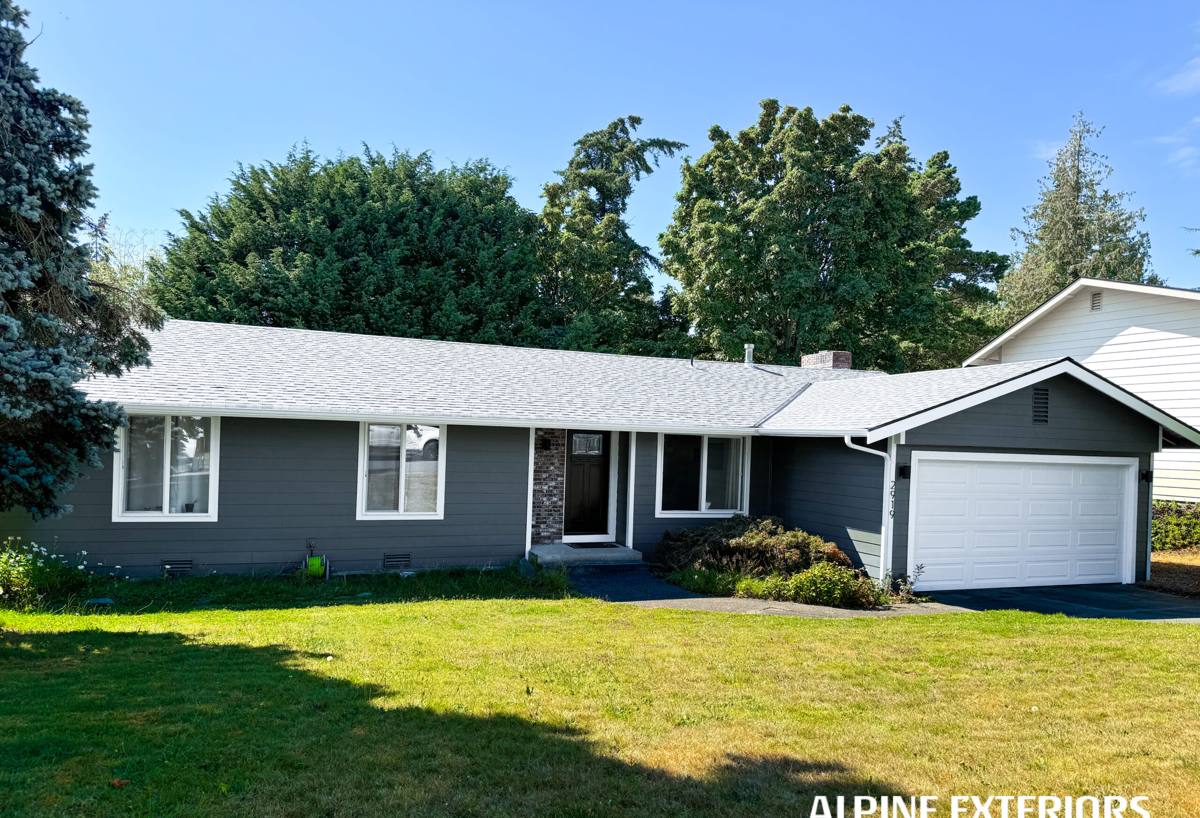
 Siding Installation for Kenneth City Homes
Kenneth City is a small, close-knit town tucked into Pinellas County, surrounded by St. Petersburg and the rest of the county's dense, built-out suburban footprint. It's an easy area to overlook when people talk about siding work in this part of Florida, but homes here face exactly the same exposure as the rest of the Tampa Bay region: hurricane-force wind during storm season, intense UV that doesn't let up for more than a couple months a year, wind-driven rain that gets pushed sideways into walls instead of falling straight down, and salt air drifting in off Tampa Bay and the Gulf that quietly works on fasteners and finishes year-round. A lot of the housing stock in Kenneth City and the surrounding neighborhoods dates back several decades, which means a good share of the siding on these homes is well past the point where it's doing its job the way it should.
We install James Hardie fiber cement siding exclusively, and we work this part of Pinellas County regularly. This page covers what Kenneth City's climate actually does to exterior siding, what a correct installation involves, how our process works, and why it matters to hire a crew that already knows this area rather than one passing through.
What the Local Climate Does to Siding
Hurricane-Force Wind Loads
Every hurricane season, homes in Kenneth City and the rest of Pinellas County sit under real wind exposure, even on years when a storm doesn't make a direct hit. Sustained tropical-storm-force wind and the gusts that come with it put load on every fastener and every panel edge on a home's exterior. Siding that isn't fastened to the correct pattern for this wind zone — or that's made from a material that flexes, cracks, or lets go at the edges under repeated stress — is the kind of problem that doesn't show up until the wrong storm finds it.
Intense, Near-Constant UV
Florida sun is a different kind of exposure than most of the country deals with. Siding here spends most of the year under strong, direct UV, and that breaks down field-applied paint and lower-grade coatings faster than homeowners expect. Fading, chalking, and a finish that looks tired within a handful of years are UV problems more often than they're moisture problems, and they show up first on the walls that catch the most direct afternoon sun.
Wind-Driven Rain
Summer storms in this part of Florida rarely fall straight down. Wind pushes rain sideways into siding, trim, and window flashing, which means water gets tested at every seam, lap, and joint on a home's exterior — not just at the top of the wall where gravity would send it. Siding and flashing detail that only accounts for rain falling straight down tends to leak first at corners, butt joints, and anywhere a flashing detail was rushed.
Salt Air and Fastener Corrosion
Kenneth City sits inland enough not to take direct spray off the water, but it's still well within the range where salt-laden air off Tampa Bay and the Gulf affects exterior materials. Salt air accelerates corrosion on fasteners, hardware, and any metal flashing that isn't rated for a coastal-influenced environment, and it degrades finishes that weren't formulated to handle it. Over years, that shows up as rust streaking, failing fasteners, and trim that deteriorates faster than the field siding around it.
What Correct Siding Installation Involves Here
Getting the right material on a Kenneth City home is only half the job. The installation details are what actually determine whether that material performs the way it's supposed to under this area's wind, rain, and sun.
- Wind-zone-correct fastening: Fastener type, spacing, and penetration depth need to match the wind zone this home actually sits in — not a generic pattern that happens to be faster to install.
- A real weather-resistant barrier: House wrap that's properly lapped, sealed, and integrated with window and door flashing, not just stapled up and left to do the minimum.
- Correct joint and seam detail: Butt joints lapped and sealed per the manufacturer's specification, not simply butted together and caulked over as an afterthought.
- Grade clearance: Siding kept at the proper clearance from grade, decking, and roofing so it isn't sitting in standing water after a heavy summer storm.
- Flashing at every transition: Window heads, roof-to-wall intersections, and any point where materials change all need dedicated flashing, not caulk asked to do a flashing detail's job.
None of this is unique to one product — it's the difference between siding that holds up through repeated storm seasons and siding that starts showing problems at the seams within a few years, no matter what's behind the finish.
Why James Hardie Is What We Install
We don't install LP SmartSide, vinyl siding, Cemplank, Allura, primed spruce, or cedar. Each of those products has a place in the broader market, and homeowners elsewhere use them successfully. But after years of exterior work across Pinellas County, we made a professional decision to standardize on one system we trust completely rather than offer a lineup of options with real trade-offs we'd have to talk homeowners out of later.
- Non-combustible core: Fiber cement doesn't feed a fire the way wood-based siding can, which matters for household safety and can matter for insurance underwriting.
- HZ5 climate-engineered formulation: Hardie builds different product formulations for different climate zones, and product sold in this region is engineered to the HZ5 specification for high-humidity, high-moisture exposure — not a generic version built for a drier, milder market.
- Factory-applied ColorPlus finish: Color is baked on in a controlled factory process instead of brushed on in the field, so it resists the fading and chalking that intense Florida UV causes in ordinary field-applied paint.
- Dimensional stability: Fiber cement doesn't swell, cup, or warp with humidity swings the way engineered wood products can, which matters through Florida's long wet season.
- Strong transferable warranty: When the installation follows spec, Hardie backs its products with real warranty protection, not just a marketing claim.
Choosing the Right Hardie Product for a Kenneth City Home
| Product Line | Best Use | Why It Fits This Area |
|---|---|---|
| HardiePlank lap siding | Most single-family and ranch-style homes | Traditional lap profile sheds wind-driven rain effectively with correct overlap and flashing |
| HardiePanel vertical siding | Accent walls, gables, and modern updates | Clean lines that hold up under sustained UV without the seam count of a full board-and-batten build |
| HardieShingle siding | Accent sections and Florida cottage-style homes | Textured look without the moisture absorption and upkeep real wood shingle needs in this humidity |
| HardieTrim boards | Corners, window and door casing, fascia | Factory-finished trim resists the same UV and salt-air exposure as the field siding around it |
Color and profile come down to the individual home, but the product family and installation approach stay consistent — we spec what actually fits a Kenneth City property's exposure rather than defaulting to whatever's fastest to install.
Our Installation Process
- Walk-through and assessment: We inspect the existing siding, trim, and any visible moisture or wind damage, and check for soft spots or rot that may not be obvious from the ground.
- Written estimate: A clear scope and price, explained honestly, with no pressure to sign before you're ready.
- Tear-off and substrate check: Old siding comes off and the sheathing underneath gets inspected — this is where hidden water damage from years of wind-driven rain usually turns up.
- Weather barrier and flashing: A properly lapped house wrap and flashing system goes on before a single piece of siding, since this layer does more of the real waterproofing work than the siding itself.
- Hardie installation to spec: Fastening pattern, joint detail, and clearances set to match this area's wind zone and moisture exposure, not a generic national standard.
- Final walk-through: We go over the finished work with you before calling the job done.
Repair vs. Full Replacement
Not every siding problem on a Kenneth City home calls for a full tear-off. Storm-damaged sections, an isolated trim failure around a window, or a section that's taken impact can often be repaired and matched into existing Hardie siding. But if water's been tracking behind the wall for a while, or the home still has an older, non-Hardie product nearing the end of its service life, patching it usually just delays a bigger job while damage keeps spreading underneath where you can't see it. We'll tell you honestly which situation you're actually looking at.
Siding Readiness Checklist
- Walls checked for soft spots, staining, or visible gaps at seams and corners
- Trim and flashing around windows and doors inspected for cracking or separation
- Fastener heads and metal trim checked for rust or corrosion staining
- Sun-exposed walls checked for chalking, fading, or a finish that's gone dull
- Grade clearance confirmed so siding isn't sitting too close to wet ground after storms
- Current energy bills reviewed for signs the wall assembly may no longer be sealing well
Cost Factors for Kenneth City Siding Projects
| Factor | What It Affects | Why It Matters Here |
|---|---|---|
| Tear-off vs. overlay | Labor scope and substrate access | Tear-off reveals hidden storm and moisture damage common under older siding in this area |
| Substrate condition | Repair costs before new siding goes on | Years of wind-driven rain can rot sheathing behind siding that looked fine from the outside |
| Wind-zone fastening spec | Material and labor requirements | Hurricane-season wind exposure calls for fastening patterns that a milder inland market wouldn't need |
| Trim and flashing scope | Total material and detail work | Salt air and UV wear on trim and flashing faster than on the field siding, so replacement scope varies |
| Home size and complexity | Labor time and material quantity | Rooflines, gables, and accent walls all add seams and cut pieces that affect both cost and vulnerability |
Exact numbers depend on the specific home and its condition, which is why we walk the property in person before giving a real figure instead of quoting off a generic price sheet.
Why a Local Crew Matters in Kenneth City
A crew that works this part of Pinellas County regularly knows how hurricane wind, intense UV, wind-driven rain, and salt air actually behave on real homes here over a full year, not just how a product performs on a spec sheet. That experience shapes decisions on install day: which walls take the worst afternoon sun, where extra flashing attention is worth the added time, and which fastening details matter most so a homeowner isn't dealing with storm damage after the next named system moves through Tampa Bay. Kenneth City's homes sit in the same exposure as the rest of St. Petersburg and the surrounding county, and a crew with real local experience treats that seriously instead of applying a one-size-fits-all approach built for a calmer, drier climate.
What to Expect When You Call Us
- A walk-through of the home to look at siding, trim, and any visible wind or moisture damage
- An honest assessment of whether you're looking at a repair, a partial replacement, or a full re-side
- A clear explanation of why we recommend James Hardie for a property with this kind of exposure
- A written estimate with no pressure to sign on the spot
If your Kenneth City home needs new siding, a repair, or just an honest second opinion on what's happening behind an aging wall, we're glad to take a look. Reach out using the form below to schedule a free, no-pressure estimate.