 St. Petersburg
 Siding Built for a Canal-Front Neighborhood
Shore Acres sits close to the water, and that changes what siding has to deal with day to day. Homes near the canals in this part of St. Petersburg see more humidity in the air, more standing moisture after heavy rain, and more exposure to salt carried in on the breeze off Tampa Bay. Add in the full-strength Florida sun beating on the same walls twelve months a year, and you have a combination that ages ordinary siding faster than it would in a drier, more inland part of Pinellas County.
This isn't a page about siding in general — it's about what a correct siding replacement looks like for a Shore Acres home specifically, and why the material and the installation both matter more here than in a lot of other neighborhoods.
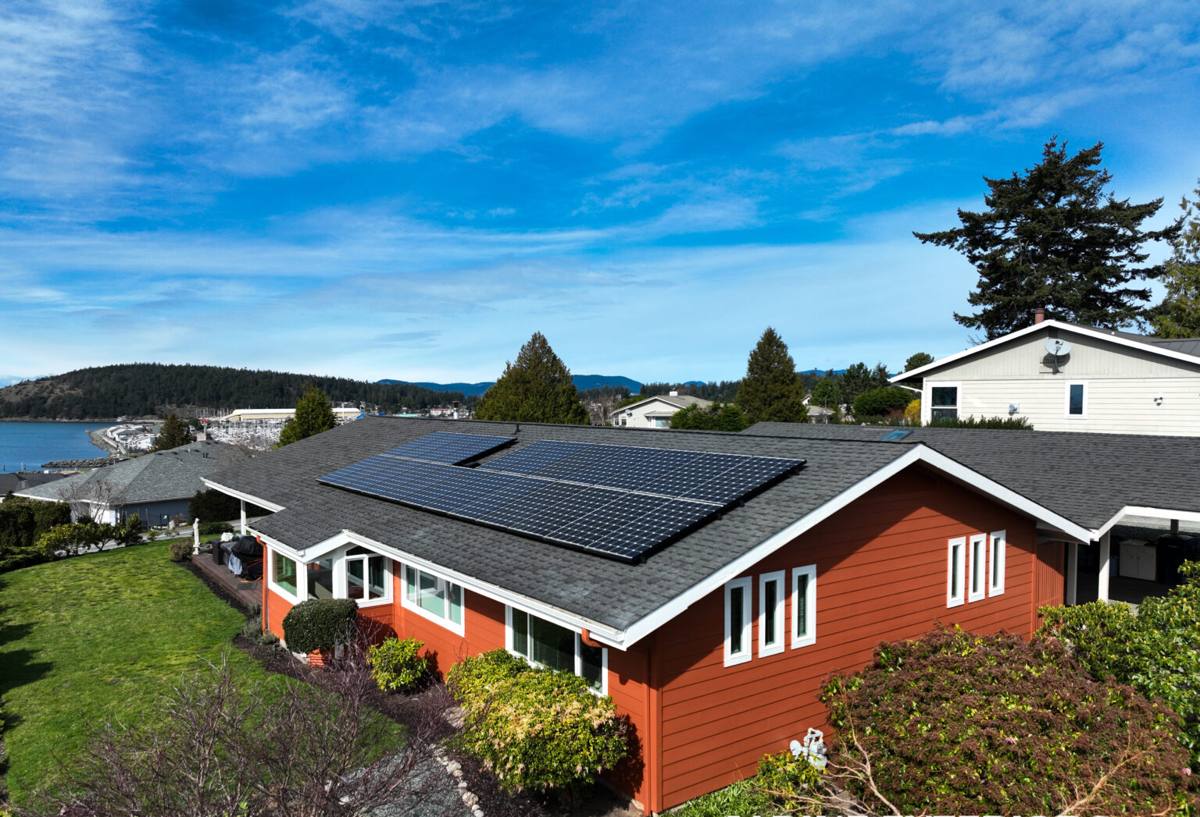
What Shore Acres' Climate Does to Siding
Salt Air and Humidity
Proximity to canals and open water means airborne salt settles on exterior surfaces more consistently than it does even a mile or two inland. Salt is corrosive to fasteners and hard on paint films, and persistent humidity keeps siding surfaces damp longer after rain — which matters a lot if the underlying material isn't built to handle repeated wetting and drying.
Wind-Driven Rain
Pinellas County gets its share of tropical systems and strong summer thunderstorms, and wind-driven rain doesn't fall straight down — it gets pushed sideways into seams, laps, and penetrations. Siding that isn't installed with the right overlaps, flashing, and water-management details will let moisture behind the cladding long before the surface itself looks damaged.
UV and Heat
Year-round sun exposure breaks down pigments and surface coatings over time. Siding that fades, chalks, or loses its finish early isn't just a cosmetic problem — a degraded surface stops shedding water as well as it did new.
Hurricane-Force Wind
Wind load is a structural question, not just a weather annoyance. Siding needs to stay fastened to the wall assembly through sustained high winds and wind gusts, and that comes down to the fastening schedule and installation method as much as the product itself.
Signs a Shore Acres Home Needs Siding Replacement
- Soft spots, bubbling, or visible warping anywhere on the siding, especially near the bottom courses closest to grade or canal-side walls
- Paint that's peeling, chalking heavily, or fading unevenly across a wall
- Visible gaps or separation at seams, corners, or trim joints
- Discoloration, streaking, or a musty smell near exterior walls, which can point to moisture getting behind the cladding
- Siding that flexes, feels spongy, or has visibly rotted at panel edges
- Rust staining around fasteners or trim, a sign of failing hardware
- Noticeably higher indoor humidity or interior wall damage on an exterior-facing room
Any one of these on its own might be minor. Several at once, or anything showing up near ground level on a canal-facing wall, is worth a professional look before it spreads.
What a Correct Siding Replacement Actually Involves
Replacing siding is not just pulling off old panels and nailing up new ones. On a home this close to the water, the details underneath the visible surface matter as much as the finish:
- Full tear-off and wall inspection — removing old siding down to the sheathing to check for hidden rot, moisture damage, or compromised framing before anything new goes on.
- Water-resistive barrier — a properly lapped and sealed moisture barrier behind the siding, which is the real first line of defense against wind-driven rain, not the siding surface itself.
- Flashing at every penetration — windows, doors, vents, and any wall penetration need flashing detailed to shed water outward, not trap it.
- Correct fastening schedule — fastener type, spacing, and embedment matter for wind resistance, and this is where a lot of shortcut installations fail long before the siding material does.
- Proper clearance and drainage — siding installed too close to grade, roofing, or hardscape traps moisture against the bottom edge, which is exactly where we see the earliest failures on canal-adjacent homes.
- Finish and trim work — corners, trim boards, and caulking done to spec so water is directed away from the wall assembly, not just cosmetically closed up.
Skip or rush any one of these steps and the siding can look fine for a year or two while moisture is already working on the wall behind it.
Why We Only Install James Hardie Fiber Cement
We don't install vinyl, LP SmartSide, or primed wood siding, and it's a deliberate standard, not an oversight. In a neighborhood like Shore Acres, the trade-offs of those products show up faster than they would somewhere drier and further from open water.
Vinyl
Vinyl is affordable and low-maintenance in mild climates, but it's a plastic product that softens and can warp under sustained heat and direct sun, and it has real limits on wind resistance depending on thickness and fastening. In a hurricane-exposed, high-UV coastal neighborhood, that's a real long-term liability, not a hypothetical one.
Engineered Wood (LP SmartSide) and Wood-Based Siding
Engineered wood siding is treated to resist moisture, but it's still a wood-based product, and wood-based products are more sensitive to sustained humidity and water intrusion than fiber cement. In a canal-adjacent, high-moisture setting, that sensitivity translates into more maintenance and more risk if any installation detail is off.
James Hardie Fiber Cement
Hardie siding is non-combustible, dimensionally stable in heat and humidity, and doesn't rot or provide a food source for pests the way wood-based products can. The ColorPlus factory finish is baked on and engineered to resist fading and hold color better than field-applied paint over time. Hardie also makes an HZ5 product line specifically engineered for hot, humid, storm-exposed climates like ours — which is exactly the profile Shore Acres fits. Paired with a strong transferable warranty, it's the material we're comfortable standing behind on homes exposed to this much sun, salt, and storm activity.
Product and Cost Comparison
| Factor | Vinyl | Engineered Wood | James Hardie Fiber Cement |
|---|---|---|---|
| Moisture resistance | Doesn't absorb water, but seams can trap it | Treated, but still wood-based | Doesn't rot; engineered for humid climates |
| Wind performance | Varies by thickness and fastening | Good when installed to spec | Strong when correctly fastened |
| UV/fade resistance | Can fade and chalk over time | Depends on paint maintenance | Factory ColorPlus finish resists fading |
| Fire resistance | Combustible | Combustible | Non-combustible |
| Typical maintenance | Low, but limited repair options | Periodic paint/caulk upkeep | Low; occasional repaint over long term |
| Relative install cost | Lower | Mid-range | Mid to higher, reflected in longevity |
Actual project cost depends on the size and layout of the home, how much of the existing wall assembly needs repair, trim and detail work, and access on a given lot — we quote each Shore Acres home individually rather than working off a flat number.
Our Process for Shore Acres Homes
We start with an on-site inspection of the current siding and the wall assembly behind it, not just a look at the surface. From there we walk the homeowner through what we find, what needs full replacement versus repair, and what the Hardie product line and profile options look like for that specific house. Once a scope is agreed on, we handle permitting, protect the property during tear-off, and install to the fastening and flashing specs the manufacturer and local wind code require — not a reduced version of it. We work at a pace that respects a lived-in home and keep the homeowner informed at each stage, not just at drop-off and pickup.
Working in this part of St. Petersburg regularly means we already understand the wind exposure, moisture patterns, and permitting expectations that apply to Pinellas County coastal neighborhoods — we're not learning the local conditions on your project.
Why Local Experience in Shore Acres Matters
A contractor who only occasionally works this close to the water can miss the details that matter most here — clearance at grade near canal-facing walls, the right flashing approach around openings exposed to wind-driven rain, and fastening built for real hurricane-season wind loads rather than a generic spec. A crew that already knows this neighborhood isn't guessing at those calls project to project.
Ready to Talk Through Your Siding?
If your Shore Acres home is showing any of the warning signs above, or you just want an honest read on how much life is left in your current siding, we're happy to take a look. Reach out for a free, no-pressure estimate using the form below.