 St. Petersburg
 Why Decks in Shore Acres Wear Out Faster Than the Manual Says
Shore Acres is a waterfront neighborhood, and that changes the math on how long a deck actually lasts. Canal-front and near-water lots mean more airborne salt settling into wood grain and metal hardware, more humidity sitting under the deck boards overnight, and more direct sun exposure with little tree cover on many of these lots. Add in the wind-driven rain that comes through St. Petersburg during summer storm season and the periodic hurricane-force gusts Pinellas County sees most years, and a deck that would last two decades inland can start failing structurally in half that time here.
None of this means a deck is a bad investment on a Shore Acres property — decks are one of the best ways to actually use a waterfront lot. It means the build has to account for the environment from the start, not get treated like a generic backyard project.
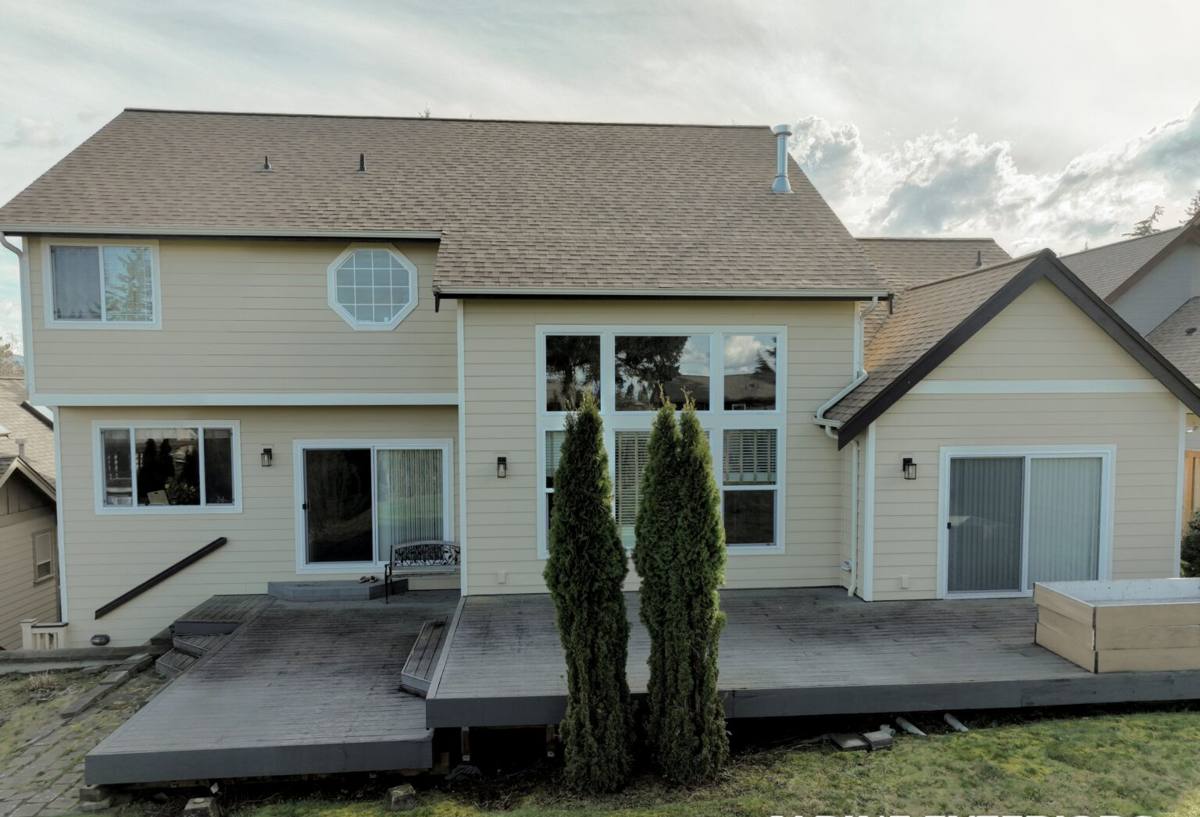
What Salt Air, Sun, and Storms Actually Do to a Deck
Salt Air and Moisture
Salt is hygroscopic — it pulls moisture out of the air and holds it against whatever it lands on. On a deck, that means fasteners corrode faster, aluminum and lower-grade steel hardware pit and weaken, and wood fibers stay damp longer between rain events, which accelerates rot at the ledger board, joists, and post bases.
UV Exposure
Florida sun is intense and consistent nearly year-round. UV breaks down the lignin in wood fibers (the "graying" you see on untreated wood) and degrades the surface resins in composite decking over time. Without the right finish or cap material, boards go brittle and start splintering or cupping years before the structure underneath actually fails.
Wind and Storm Load
Hurricane-force wind doesn't just threaten roofs. It puts uplift and racking stress on deck framing, ledger connections, and railing posts. A deck that was fine in calm weather can fail at the connections during a major wind event if it wasn't built — or rebuilt — to current structural standards.
Signs Your Shore Acres Deck Needs Replacement, Not Repair
Repair makes sense when the problem is isolated. Replacement makes sense when the damage is systemic — spread across the framing, not just a board or two. Here's how to tell which situation you're in:
- Soft or spongy spots in multiple areas of the decking, not just one board
- Visible rot, splitting, or corrosion at the ledger board where the deck attaches to the house
- Post bases or footings that show cracking, heaving, or visible movement
- Railings that flex or feel loose when pushed — a structural and safety issue, not cosmetic
- Fasteners that are heavily rusted, streaking, or backing out of the wood
- A deck older than 15-20 years that has never had the substructure inspected
- Persistent standing water or poor drainage underneath the deck
If you're only seeing one or two of these in a small area, a repair may buy you time. If you're seeing several at once, especially anything involving the ledger board or footings, replacement is almost always the more honest recommendation — patching a failing structure just moves the cost down the road with added risk in between.
What a Correct Deck Replacement Actually Involves
A deck replacement done right is a structural project, not a cosmetic swap of old boards for new ones. The parts that matter most are the parts you won't see once it's finished:
Ledger Board and Flashing
The ledger board connects the deck to the house and carries a large share of the structural load. It needs proper flashing to keep water from tracking behind it into your home's wall assembly — a detail that's easy to skip and expensive to ignore, especially with the wind-driven rain this area gets.
Footings and Posts
Footings need to be sized and set to local code depth, which matters more on waterfront lots where soil composition and water tables can vary lot to lot. Posts need proper base connectors, not just concrete contact, to resist uplift in high wind.
Framing and Fasteners
Joists, beams, and hardware should be rated for coastal or salt-air exposure, not standard interior-grade hardware. This is one of the most common corners cut on lower-bid deck jobs, and it's the one that fails fastest near the water.
Decking and Railing
The visible surface is the last decision, not the first — material choice should follow from how much sun and water exposure the specific deck location gets, and how much upkeep the homeowner actually wants to do.
Choosing a Decking Material for a Shore Acres Property
There's no single "best" decking material — there's a best fit for your exposure, budget, and how much maintenance you're willing to keep up with. Here's how the common options compare for a salt-air, high-UV environment:
| Material | Upfront Cost | Maintenance | Salt/Moisture Resistance | Typical Lifespan Here |
|---|---|---|---|---|
| Pressure-treated wood | Lower | High — regular sealing/staining needed | Fair, depends on upkeep | 10-15 years with maintenance |
| Composite decking | Moderate | Low | Good | 20-25+ years |
| Capped PVC decking | Higher | Very low | Very good | 25-30+ years |
| Tropical hardwoods (e.g., ipe) | Higher | Moderate — periodic oiling for color | Good, naturally dense | 20-25+ years |
Wood costs less upfront but demands the most ongoing attention — in this climate, "regular sealing" often means annually, not every few years. Composite and capped PVC cost more to install but hold up better against sun and salt with far less maintenance, which is why we recommend them for most Shore Acres waterfront applications. We'll walk through the honest trade-offs for your specific deck rather than pushing one product line.
Permits, Code, and Waterfront Considerations
Deck replacement in St. Petersburg and unincorporated Pinellas County generally requires a building permit, especially when structural elements like footings, framing, or the ledger connection are being replaced — which is nearly always the case in a full deck replacement. Waterfront and canal-front lots in Shore Acres can also involve additional review depending on setback and flood zone requirements. Railing height, baluster spacing, and stair specifications are governed by code as well, and older decks are frequently out of compliance simply because they were built under older rules.
We handle the permit process as part of the job rather than leaving it to the homeowner, and we build to current code — not just to match what was there before.
How Our Process Works
- On-site assessment — we inspect the existing deck's framing, ledger connection, footings, and hardware to determine actual condition, not just surface appearance.
- Honest scope and estimate — you get a clear breakdown of what needs replacing structurally versus what's cosmetic, and material options with real trade-offs.
- Permitting — we prepare and submit what's required for the project through the appropriate local office.
- Demo and structural rebuild — old decking, framing, and any compromised footings or posts come out and get rebuilt to current code with coastal-rated hardware.
- Decking, railing, and finish work — installed per manufacturer specification, which matters for both performance and warranty coverage.
- Final walkthrough and inspection — we confirm the work with you and make sure it passes any required local inspection.
Why Local Experience in Shore Acres Actually Matters
Shore Acres isn't a generic suburban grid — it's a waterfront community with canal-front lots, tighter access in places, and permitting that touches on flood zone and setback rules that don't apply the same way a few miles inland. A crew that already works this neighborhood knows what the local permitting office will ask for, what soil and water conditions to expect when setting footings near a canal, and how to sequence a job around tidal and seasonal weather patterns instead of learning it on your project. That experience shows up as fewer surprises, fewer change orders, and a deck that's actually built for the lot it's on.
Keeping Your New Deck Sound for the Long Haul
A correctly built deck still needs some homeowner upkeep to hit its full lifespan in this climate. A simple annual routine goes a long way:
- Rinse off salt residue and debris from the deck surface and gaps between boards periodically, especially after storms
- Check railing posts and stair connections for looseness once a year
- Clear leaves and debris from underneath the deck to keep airflow and drainage working
- Inspect and re-seal wood decking on the manufacturer's recommended schedule if you chose a wood product
- Look at fastener heads and visible hardware for early rust or corrosion after the first couple of storm seasons
- Address any soft spots or movement right away rather than waiting for the next inspection
If your Shore Acres deck is showing its age, or you're not sure whether you're looking at a repair or a full replacement, we're happy to take a look and give you a straight answer. Reach out for a free, no-pressure estimate using the form below.