 St. Petersburg
 Seminole Roofs Work Harder Than the Warranty Paperwork Suggests
Seminole sits inland from the Gulf but still gets the full package of Pinellas County weather: long stretches of intense UV, sudden wind-driven downpours, and salt-laden air that drifts in off the coast. None of that shows up as a single dramatic event most years. Instead it shows up as a roof that ages faster than its rated lifespan on paper, with granule loss, brittle flashing, and soft decking creeping in years before a homeowner expects to think about replacement.
A roof replacement done right for this area isn't just "put new shingles on." It's a system built to handle heat cycling, wind uplift, and moisture intrusion together, installed by people who understand what actually fails first on a Seminole roof and why.
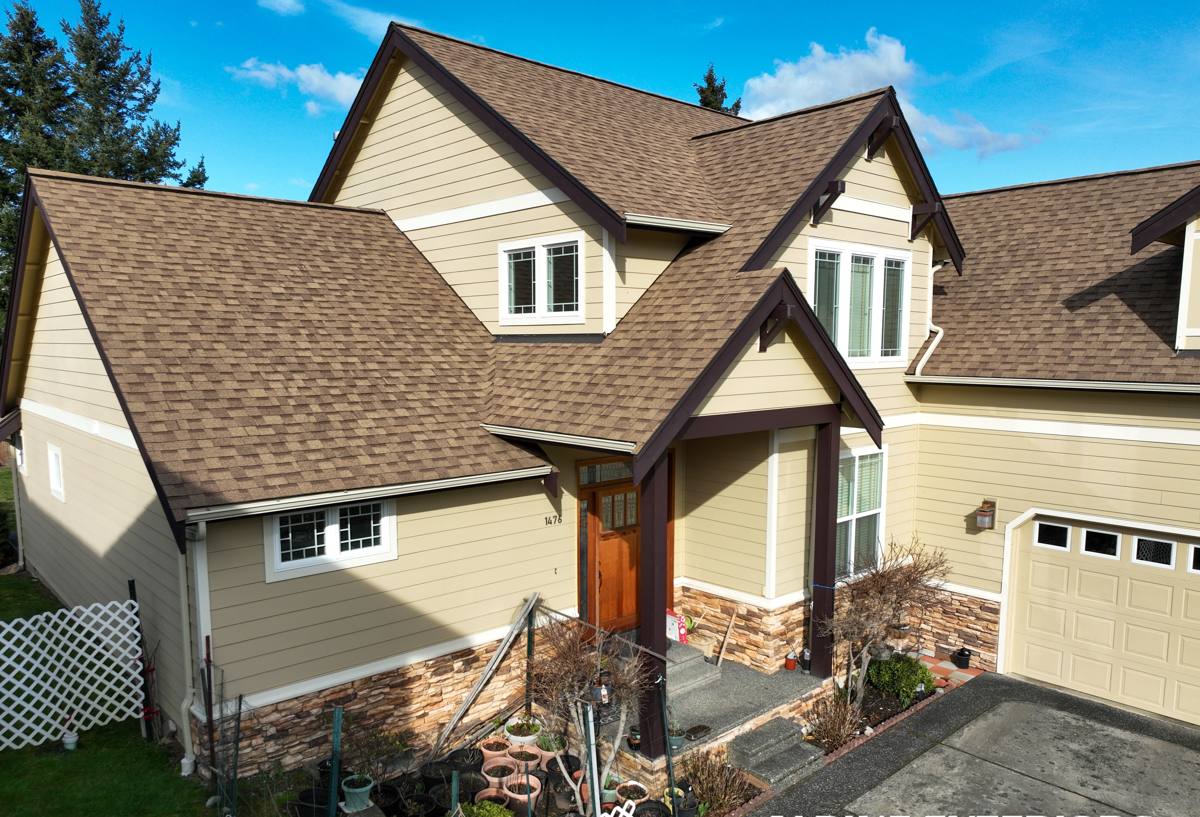
What the Local Climate Actually Does to a Roof
UV and Heat
Florida sun is relentless on roofing materials almost every day of the year. UV exposure breaks down asphalt oils in shingles, causes granule loss, and accelerates the aging of underlayment and sealants. Attic heat compounds this from underneath, baking the decking and shortening the useful life of materials that would last longer in a milder climate.
Wind-Driven Rain and Hurricane Exposure
Pinellas County sits squarely in a hurricane-prone region, and even a roof that survives a storm intact can take on hidden damage from wind-driven rain forced up under shingle tabs and around flashing. Straight-line wind gusts from summer thunderstorms do a version of this same damage on a smaller scale, all year long, which is why fastening pattern and wind rating matter as much as the shingle brand.
Salt Air and Humidity
Even away from the immediate coastline, salt-laden air moves through the region and accelerates corrosion on exposed metal — nail heads, flashing, vents, and fasteners. Combined with the area's humidity, this creates conditions where a roof can look fine from the ground while its metal components are quietly corroding.
Signs a Seminole Roof Needs Replacement, Not Another Repair
Repairs make sense for isolated damage. Replacement becomes the honest recommendation when the underlying materials are failing broadly rather than in one spot. Common signs we look for:
- Granule loss heavy enough to see bald patches or granules collecting in gutters
- Shingles that are curling, cupping, or cracking across multiple sections of the roof, not just one
- Soft or spongy decking felt underfoot during inspection, indicating moisture has reached the wood
- Repeated leaks in different locations after past repairs, rather than one recurring spot
- Visible daylight or gaps at the decking when viewed from the attic
- A roof approaching or past 18-20 years old for asphalt shingle systems in this climate
- Rusting or failing flashing and vent boots that repair alone won't solve
If only one or two of these apply and they're localized, a repair is often the right call and the honest one. When several apply at once, patching becomes a short-term fix that costs more over time than doing the replacement correctly.
What a Correct Roof Replacement Actually Involves
Full Tear-Off and Deck Inspection
A proper replacement starts with removing the existing roofing down to the deck, not layering over it. This is the only way to actually see the condition of the decking, catch soft or water-damaged plywood, and replace it before it becomes a hidden problem under a brand-new roof.
Underlayment and Flashing
Underlayment is the roof's backup water barrier, and it matters more in a climate with frequent wind-driven rain than it does in drier regions. Flashing around chimneys, walls, skylights, and valleys is where the majority of roof leaks originate, so this detail work gets as much attention as the shingles themselves.
Attic Ventilation
Proper intake and exhaust ventilation keeps attic temperatures and moisture in check, which protects the new decking and shingles from the inside out and can meaningfully extend how long the roof performs well in Florida heat.
Wind-Rated Fastening to Florida Code
Florida's building code sets specific nailing patterns and wind-rating requirements based on the county's wind zone. Meeting code isn't a formality here — it's the difference between a roof that holds its fasteners in a strong gust and one that doesn't.
Choosing a Roofing System for a Seminole Home
Most homes in the area are well served by architectural (dimensional) asphalt shingles, but metal and tile both have a place depending on the home, budget, and how long the owner plans to stay. Here's how the common options compare for this climate:
| Material | Typical Lifespan Here | Wind Performance | Upfront Cost | Maintenance |
|---|---|---|---|---|
| Architectural Asphalt Shingle | 18-25 years | Good when properly fastened and rated | Lowest | Low to moderate |
| Standing Seam Metal | 30-50 years | Excellent | Highest | Low |
| Concrete or Clay Tile | 30-50 years | Very good when properly installed | High | Moderate (underlayment ages faster than the tile itself) |
We don't push one system on every home. Tile and metal cost more upfront but spread that cost over a much longer service life; asphalt shingle is the practical choice for owners who want a solid, code-compliant roof without the higher initial investment. What we won't do is install any system in a way that cuts corners on underlayment or fastening just to hit a lower price — that trade-off shows up as leaks and wind damage later, not savings.
Our Roof Replacement Process
1. Inspection and Estimate
We walk the roof and the attic, document the actual condition, and give a written estimate that explains what's being replaced and why — not just a total.
2. Permitting
Roof replacement requires a permit in Pinellas County, and we handle that paperwork as part of the job rather than leaving it to the homeowner.
3. Material Delivery and Protection
Landscaping, gutters, and the areas around the home are protected before tear-off begins, and materials are staged so the job moves efficiently on install day.
4. Tear-Off and Installation
Old roofing comes off, the deck gets inspected and repaired as needed, and the new system goes on in the sequence that keeps the home protected even if weather rolls in mid-project.
5. Final Walkthrough, Cleanup, and Inspection
We do a magnetic nail sweep and full site cleanup, then walk the finished roof with the homeowner and coordinate any required county inspection before closing out the job.
What Drives the Cost of a Roof Replacement
Every roof is different, but the same handful of factors move the price up or down on most Seminole homes:
| Factor | Why It Matters |
|---|---|
| Roof size and pitch | More square footage and steeper pitches mean more material and labor time |
| Decking condition | Rotten or soft plywood found during tear-off has to be replaced, which isn't visible until the old roof is off |
| Number of penetrations | Chimneys, skylights, and vents each need individual flashing work |
| Material choice | Asphalt, metal, and tile carry very different material and labor costs, as shown above |
| Layers being removed | Removing multiple existing layers takes more labor than a single-layer tear-off |
| Access and roof complexity | Steep or hard-to-access roofs, and roofs with many valleys or hips, take longer to work safely |
We give a firm, itemized number after the inspection rather than a rough phone estimate, because decking condition alone can change the real cost of the job.
Why Hiring a Crew That Already Works Seminole Matters
A roofing crew that regularly works in and around Seminole and greater St. Petersburg already knows the Pinellas County permitting process, the wind zone requirements that apply here, and how local building department inspections typically go — which keeps a project moving instead of stalling on paperwork. Familiarity with the area's building stock also means fewer surprises: we've seen how homes of this age and style in this climate tend to age, so the inspection is more accurate and the estimate holds up once the tear-off starts.
Before You Sign: A Practical Checklist
- Is the contractor licensed and insured to do roofing work in Florida, and will they provide proof?
- Does the written estimate specify materials, underlayment type, and flashing work, not just a lump sum?
- Will they pull the required permit themselves, and is that included in the price?
- Do they inspect and disclose decking condition before finalizing the price, or only after work starts?
- What warranty covers workmanship separately from the manufacturer's material warranty?
- Do they explain wind-rating and fastening requirements for this area, or brush past that detail?
A contractor who answers these clearly and in writing, without pressure to decide on the spot, is worth far more than the lowest number on a quote.
If your roof is showing its age or you just want an honest, no-pressure look at where things stand, we're happy to inspect it and walk you through what we find. Use the form below to request a free estimate for your Seminole home.