 St. Petersburg
 Seminole Homes Face a Tougher Climate Than the Siding on Most of Them Was Built For
Seminole sits in Pinellas County, close enough to the Gulf that salt-laden air reaches every block, not just the waterfront ones. Add in Florida's year-round UV load, the wind-driven rain that comes with every summer storm, and the real risk of hurricane-force winds during the season, and you have a climate that is genuinely hard on exterior building materials. Siding here isn't just cosmetic. It's the layer standing between your home's structure and salt, sun, and storm pressure for the next several decades.
A lot of siding sold and installed in this market was never engineered with any of that in mind. It was designed for a national market where hurricanes aren't a factor and salt air isn't a daily reality. That mismatch is why so many Pinellas County homes end up re-siding, patching, or repainting far sooner than owners expect.
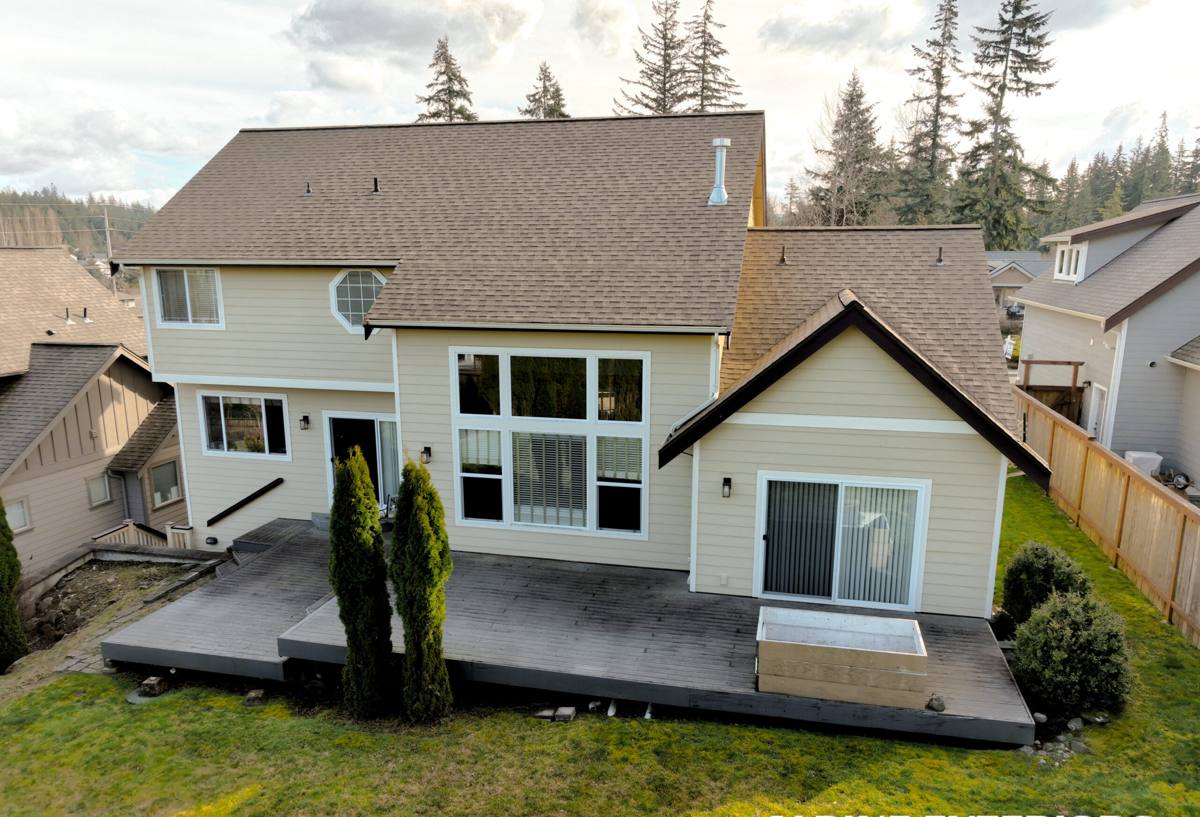
What Salt Air, Sun, and Wind-Driven Rain Actually Do to Siding
Salt Air
Airborne salt is corrosive and it doesn't stay near the water. It settles into seams, fastener heads, and any place moisture can collect, accelerating corrosion of metal components and breaking down coatings that weren't formulated to resist it. Over years, this shows up as chalking, fading, and failure at the joints first.
UV Exposure
Florida sun is relentless, and it's not seasonal — siding here takes a full UV dose twelve months a year. Paints and finishes that hold up fine in milder climates fade, chalk, and become brittle faster in this kind of exposure. Once a finish starts breaking down, the substrate underneath is exposed to moisture it wasn't built to handle.
Wind-Driven Rain and Hurricane Wind Loads
It's not the rain itself that causes the most damage — it's rain forced sideways and upward under wind pressure, finding any gap in flashing, caulking, or fastening. During named storms, wind loads on wall systems spike well above everyday conditions, and siding that isn't fastened to spec for those loads is the first thing to fail, sometimes taking moisture protection with it.
Why We Install Only James Hardie Fiber Cement Siding
We made a deliberate decision as a company: we install James Hardie fiber cement siding, and nothing else. We don't install vinyl, LP SmartSide, Cemplank, Allura, or primed wood products like spruce or cedar. That's not a marketing angle — it's a standard we hold because of what we've seen these products do, and not do, in a coastal Florida climate over time.
Vinyl is lightweight and inexpensive, but it's a petroleum-based product that softens in heat and becomes brittle with UV exposure and age, and it isn't rated for the wind speeds this region regularly deals with unless installed with extremely tight tolerances that are easy to get wrong. LP SmartSide and other wood-strand products perform reasonably in drier climates, but they rely on an engineered wood core, and any breach in the factory coating gives moisture a path into that core — a real risk in a market with this much wind-driven rain and humidity. Primed spruce and cedar are traditional and attractive, but they need ongoing maintenance — recoating, caulking, and moisture vigilance — that most homeowners underestimate until the wood starts showing it.
James Hardie fiber cement is cement, sand, and cellulose fiber. It doesn't have a wood core to rot, it's non-combustible, it doesn't soften in heat, and it holds a factory finish engineered specifically to resist fading and moisture intrusion. That's the material we're willing to put our name behind on Seminole homes.
The HardieZone System: Built for This Exact Climate
James Hardie doesn't make one product for the whole country. Their HardieZone system engineers siding differently for different climate zones, and Pinellas County falls into HZ5 — the zone that accounts for high humidity, salt exposure, and storm-force wind. HZ5 products use a formulation and finish process built around resisting moisture and UV in exactly the conditions Seminole homes deal with, rather than a generic blend that happens to also be sold here.
Color is handled the same way. ColorPlus factory-applied finish is baked on in a controlled environment and backed by its own finish warranty, which holds up better against UV fading and salt exposure than field-applied paint ever will. For a home near the Gulf, that difference shows up first — usually at seams and edges — within a few repaint cycles of a lesser product.
What a Correct Fiber Cement Installation Actually Involves
Fiber cement siding is only as good as the installation behind it. Most of the failures we get called out to inspect on other contractors' work trace back to shortcuts during installation, not the material itself. A correct job on a Seminole home includes:
- Full removal of failing siding and inspection of the sheathing underneath for hidden rot or moisture damage before anything new goes up
- A continuous, correctly lapped weather-resistive barrier — the layer doing the real waterproofing work behind the siding
- Proper flashing at every window, door, and roofline intersection, since these are the points where wind-driven rain finds its way in
- Fastener spacing and type matched to Hardie's specifications for HZ5 and to the wind-load requirements for this area, not a generic fastening pattern
- Correct clearances at grade, roofline, and any horizontal trim so water sheds away from the wall assembly instead of collecting against it
- Factory-mitered or properly sealed joints and corners, since field-cut edges are where moisture intrusion starts if they aren't treated correctly
- A final inspection against manufacturer installation instructions, because Hardie's product warranty depends on installation to spec
Skipping any one of these doesn't usually cause a visible problem in year one. It shows up in year five or eight, as a soft spot, a stain, or a section that's pulling away — by which point it's a repair job instead of a five-minute fix during installation.
Siding Options for Seminole Homes: A Straight Comparison
| Factor | Vinyl Siding | LP SmartSide | James Hardie Fiber Cement |
|---|---|---|---|
| Core material | PVC (petroleum-based) | Engineered wood strand | Cement, sand, cellulose fiber |
| Combustibility | Softens/melts under heat | Combustible wood core | Non-combustible |
| Moisture behavior if breached | Can warp or trap moisture at seams | Wood core swells and rots at any breach | Does not rot; cement core is moisture-stable |
| UV/salt air resistance | Fades, chalks, becomes brittle | Coating fades; needs recoating over time | ColorPlus finish engineered for UV/salt exposure |
| Wind performance | Sensitive to installation tolerance | Adequate but not climate-specific | HZ5-engineered for coastal wind loads |
| Maintenance | Occasional cleaning | Periodic recoating/caulking | Low; factory finish holds up longer |
| Warranty structure | Varies widely by brand | Manufacturer warranty, product-only | Strong transferable product warranty |
How Our Process Works, Start to Finish
We start with an on-site inspection of your current siding and the wall assembly behind it, not just a measurement for a quote. That's where we catch hidden moisture damage before it becomes a surprise mid-project. From there we walk through product lines, colors, and profiles — Hardie offers lap siding, shingle-style panels, and trim boards, so most homes have real options within the Hardie system rather than a single look.
Once a plan is set, we handle permitting through the appropriate local authority, tear-off, sheathing inspection and any needed repair, house-wrap and flashing installation, and then the Hardie siding itself, fastened and finished to manufacturer and code specification for this wind zone. We walk the finished job with you before we consider it done.
Why It Matters That We Already Work in Seminole
Wind load requirements, flashing details, and permitting expectations aren't identical from one Florida county to the next, and a crew that mainly works inland or out of state doesn't always know the local particulars until they've already made a mistake on your house. A crew that regularly works Pinellas County homes knows the coastal exposure this area deals with, has already worked with the relevant local permitting process, and has seen firsthand how different siding products actually hold up here over years, not just on a spec sheet.
That local track record is also why we're comfortable standing behind one product line instead of offering a menu of options at different price points. We'd rather tell you honestly what performs here than sell you something that looks fine on day one.
Long-Term Care Once Your Hardie Siding Is Installed
Fiber cement is low-maintenance, not zero-maintenance. A periodic rinse to clear salt residue and debris, prompt attention to any caulking that shows wear at trim joints, and keeping sprinklers and plant growth from holding moisture against the wall line are the main things that keep a correctly installed Hardie system performing for its full service life. None of it is labor-intensive — it's a fraction of the upkeep that wood siding demands.
If your current siding is showing fading, soft spots, separating seams, or you're simply planning ahead of the next storm season, we're happy to take a look and give you an honest, no-pressure assessment of what your home actually needs. The estimate is free, and there's no obligation — just a straight answer about your options.