 St. Petersburg
 Metal Roofing Built for Roser Park's Older Homes
Roser Park is one of St. Petersburg's oldest residential neighborhoods, and that history shows up on the roofline as much as anywhere else. Bungalows and early-20th-century homes here were framed for the materials of their era, not for today's wind codes or today's sun. When one of these roofs needs replacing, the question isn't just "asphalt or metal" — it's whether the new roof will actually hold up to what Pinellas County throws at it year after year: hurricane-force wind gusts, punishing UV exposure nearly twelve months a year, wind-driven rain that finds every weak seam, and salt-laden air drifting in off Tampa Bay that accelerates corrosion on anything not built or coated to resist it.
Metal roofing, installed correctly, answers all four of those problems better than most alternatives. But "installed correctly" is doing a lot of work in that sentence. A metal roof is only as good as its underlayment, fastening pattern, flashing details, and the crew that sweated the details nobody sees from the street. This page covers what that actually means for a home in Roser Park specifically — not a generic metal roofing pitch.
What Roser Park's Housing Stock Needs From a Roof
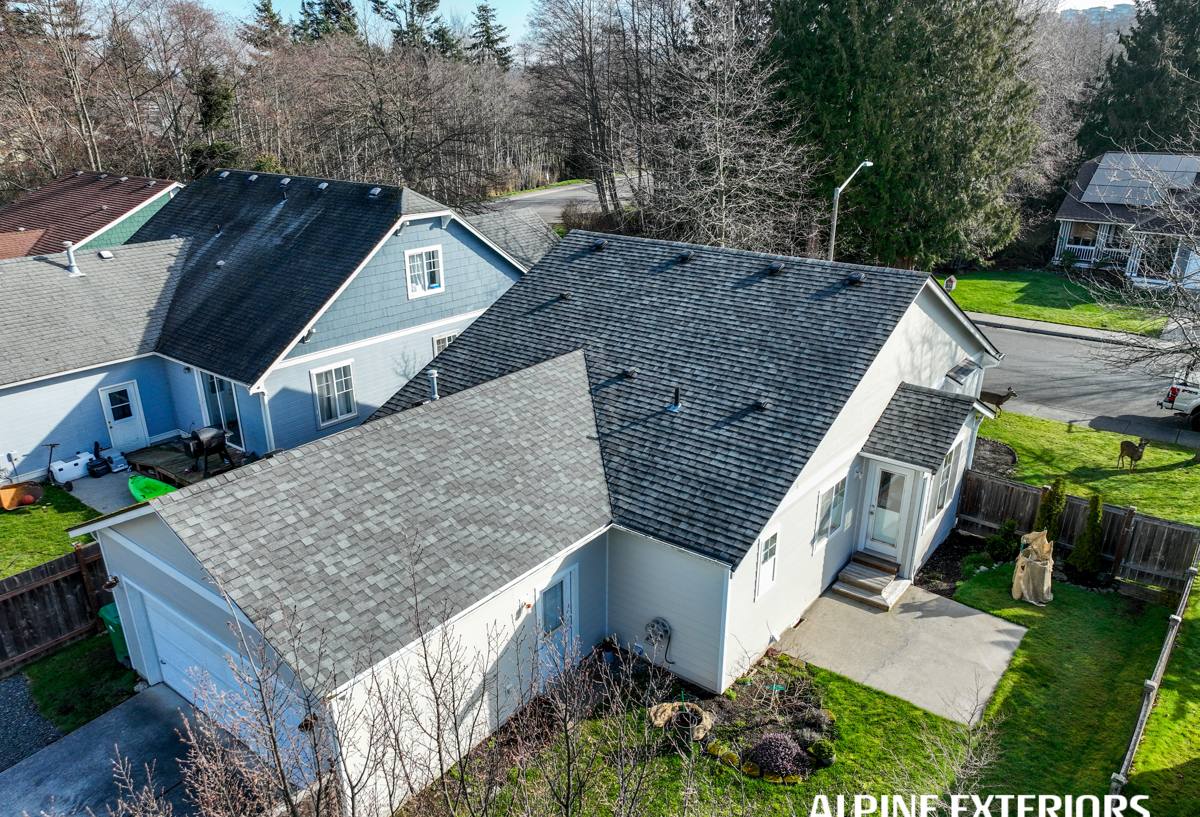
Older St. Petersburg neighborhoods like Roser Park tend to share a few characteristics that matter when you're planning a roof replacement:
- Mature tree canopy. Established oaks and other large trees mean more debris, more shade-driven moss and algae growth on north-facing slopes, and branch-strike risk during storms.
- Original or aging roof decking. Many homes in this area still have their original or long-since-replaced sheathing, sometimes with dimensional lumber boards instead of modern plywood or OSB. That changes how a new roof system needs to be fastened and flashed.
- Varied rooflines. Older bungalow and cottage-style homes often have more hips, valleys, dormers, and chimney penetrations per square foot than a newer tract house — each one is a place water and wind can find a way in if it's not detailed correctly.
- Proximity to downtown and the water. Being close to the bay means salt air reaches roofing metal, fasteners, and flashing here even though the neighborhood itself isn't waterfront.
None of this means metal roofing is a bad fit — it usually means the opposite, since standing seam and other metal profiles handle wind uplift and debris impact better than most shingle products. It does mean the installation has to account for what's actually under the existing roof, not just what's on top of it.
Metal Roofing Options: How They Compare
Not every metal roofing product is the same product wearing a different color. The panel profile, gauge, and coating all affect how the roof performs against St. Petersburg's wind and sun over time.
| Roofing Type | Wind Performance | UV / Heat Behavior | Typical Lifespan | Maintenance |
|---|---|---|---|---|
| Standing seam metal | Excellent — concealed fasteners, mechanically seamed panels resist uplift | Reflective coatings reduce attic heat gain | 40-60+ years | Low; periodic inspection of seams and flashing |
| Exposed-fastener metal panel | Good, but fastener seals need re-checking over time | Similar reflective benefit | 25-40 years | Moderate; fastener washers age and can need replacement |
| Stone-coated steel | Very good; heavier profile resists wind and impact | Coating protects against UV fading | 30-50 years | Low to moderate |
| Architectural asphalt shingle | Fair; rated for wind but vulnerable at edges and in gusts above rating | Degrades faster under constant sun exposure | 15-25 years in this climate | Higher; granule loss and sealant aging over time |
We install metal roofing because, for the right home and the right budget, it gives Roser Park homeowners a longer service life between major roof expenses and a stronger track record against wind and sun in this specific climate. That said, metal isn't automatically the right call for every roof or every budget, and we'll say so plainly during your estimate rather than push a product that doesn't fit your situation.
What a Correctly Installed Metal Roof Actually Involves
The panels themselves get most of the attention, but the parts of the job that determine whether a metal roof lasts 40 years or leaks in year three are mostly things you'll never see once it's finished.
Underlayment and Wind-Driven Rain
Florida's storms don't just drop rain straight down — wind pushes it sideways and up under laps, seams, and fasteners. A self-adhering, high-temperature underlayment across the full deck (not just at eaves and valleys) is what keeps that wind-driven rain from reaching the wood below if any water ever gets past the metal itself. This is one of the first places a rushed installation gets cut short.
Fastening and Wind Uplift
Metal roofing's wind resistance comes from its fastening pattern and clip system, not just the metal. Panel spacing, clip type, and fastener count all need to match the wind speed requirements for this part of Pinellas County under the Florida Building Code — and on an older deck, that starts with confirming the wood underneath can actually hold those fasteners.
Flashing and Penetrations
Chimneys, dormers, plumbing vents, and valley intersections are where the vast majority of roof leaks originate — and older homes in neighborhoods like Roser Park tend to have more of these details per roof than newer construction. Correct step flashing, counter-flashing, and sealant selection at every one of these points matters more than the panel choice itself.
Ventilation
A metal roof installed over a poorly ventilated attic can trap heat and moisture just as easily as any other roofing material. On older homes where the ventilation may have been added piecemeal over decades, we check that intake and exhaust are actually balanced before closing the roof back up.
Our Process for a Roser Park Metal Roof
- Inspection and deck assessment. We look at the existing roof, the decking underneath (as much as can be evaluated before tear-off), attic ventilation, and every penetration and transition.
- Honest scope and product recommendation. You get a clear explanation of what panel profile, gauge, and underlayment fit your home and budget, and why — not an upsell.
- Tear-off and deck repair. Old roofing comes off, damaged or undersized decking gets replaced, not skipped over.
- Underlayment, flashing, and panel installation to the fastening specification your roof's exposure and wind zone require.
- Final walk-through and cleanup, including magnetic sweep for stray fasteners and debris removal — important on tree-canopied lots where a missed nail or clipping can sit in the grass for weeks.
We pull the required City of St. Petersburg permits and schedule inspections as part of the job, not as an afterthought — a properly permitted roof also supports your wind mitigation documentation for insurance purposes.
What Affects the Cost of a Metal Roof in Roser Park
| Cost Factor | Why It Matters |
|---|---|
| Roof complexity (hips, valleys, dormers) | More cuts, seams, and flashing details mean more labor time |
| Tear-off vs. recover | Full tear-off costs more upfront but lets us verify and repair the deck underneath |
| Decking condition | Rot or undersized boards found on older homes need replacement before panels go on |
| Panel profile and gauge | Standing seam and heavier-gauge panels cost more than exposed-fastener panels but last longer |
| Ventilation upgrades | Adding or correcting intake/exhaust venting is often needed on older attics |
| Roof pitch and access | Steeper pitches and tight lot access (common on older, closely built lots) affect labor and staging |
We'll walk through exactly which of these apply to your roof during the estimate so there are no surprises once work starts.
Signs Your Roser Park Roof May Need Attention
- Visible rust streaking, loose panels, or lifted seams after a storm
- Granule buildup in gutters (a sign an existing shingle roof is aging out)
- Daylight or water stains visible in the attic near chimneys, vents, or valleys
- Persistent moss or algae growth on shaded, tree-covered slopes
- A roof that's due or past its expected service life for its material and age
- Rising energy bills that may point to attic heat gain from a failing or unventilated roof
Why Hiring a Crew That Already Works in Roser Park Matters
A roofing crew that regularly works older St. Petersburg neighborhoods already knows what to expect before the tear-off even starts — original decking patterns, the flashing quirks common to homes of this era, and how to work efficiently on tighter, tree-lined lots without damaging landscaping or neighboring property. That familiarity shows up in fewer surprises mid-job and a faster, cleaner process overall. It also means we're not learning the City of St. Petersburg's permitting and inspection process on your roof — we already know it.
Salt air, intense UV, and hurricane-season wind aren't unique to Roser Park, but the combination of that climate with an older housing stock is exactly the situation where installation quality separates a roof that performs for decades from one that causes problems in year five.
If your Roser Park home needs a new roof or you're weighing metal against other options, we're happy to take a look and give you a straightforward, no-pressure estimate — just fill out the form below.