 St. Petersburg
 Shore Acres Sits Closer to the Weather Than Most of St. Petersburg
Shore Acres is one of the low-lying, canal-laced neighborhoods on the northeast side of St. Petersburg, tucked up against Tampa Bay. That waterfront setting is a big part of what makes it a great place to live, but it's also why roofs here don't age the same way roofs do a few miles inland. Homes on or near open water and canals catch more direct wind, more salt-laden air, and more standing humidity than homes tucked into the interior of Pinellas County. A roof replacement done for a Shore Acres home has to account for all of that, not just meet the baseline building code.
We've replaced roofs throughout St. Petersburg and Pinellas County long enough to know that "waterfront" isn't a marketing word — it's a set of real, physical stresses: salt air that accelerates corrosion on fasteners and metal flashing, wind-driven rain that finds any weak seam or under-lapped shingle, hurricane-force gusts that test every nail and clip, and near-constant UV exposure that breaks down roofing materials faster than in shadier, cooler climates. Any one of these is manageable. All four, working on a roof year-round, is what actually shortens roof life in a neighborhood like this.
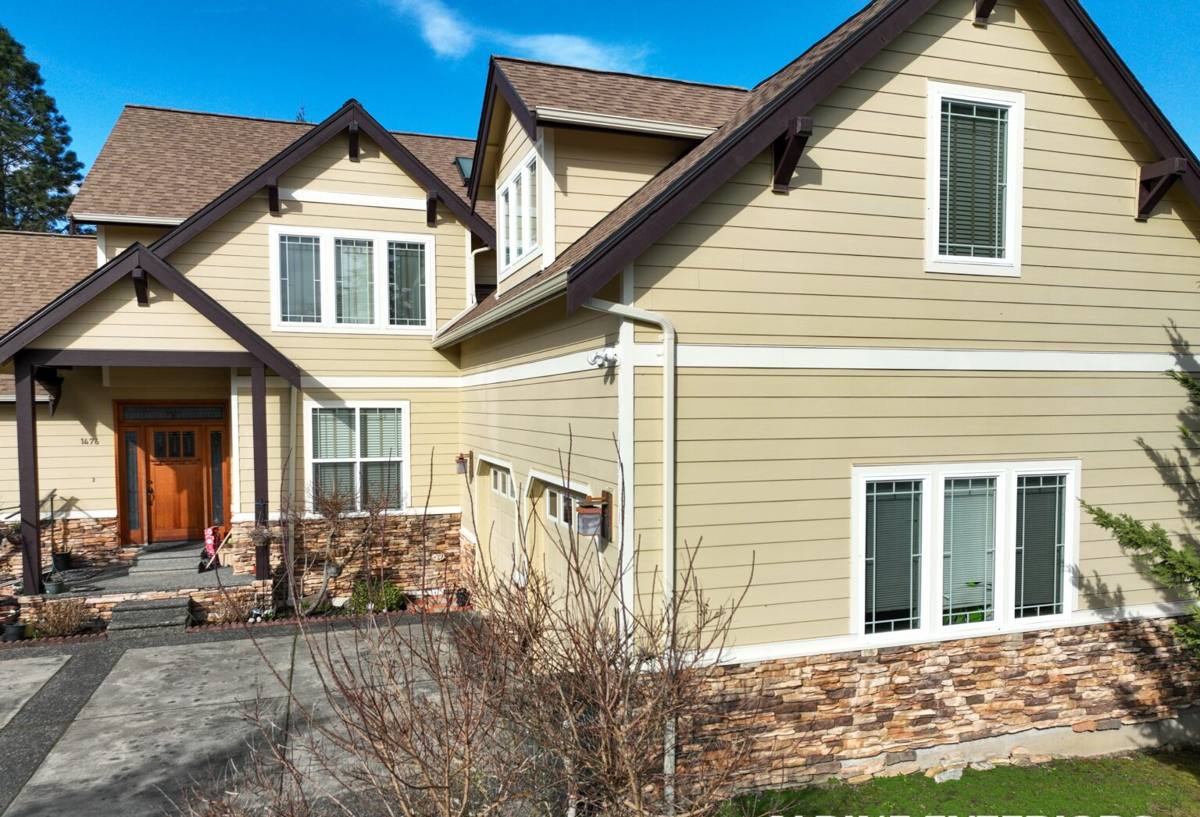
What Waterfront Exposure Does to a Roof Over Time
Salt Air and Corrosion
Salt in the air settles on every exposed metal surface — nail heads, flashing, drip edge, vents, and fasteners. Over years, that accelerates rust and corrosion, especially on lower-grade or improperly coated hardware. A roof installed with standard-grade fasteners in a coastal or near-coastal neighborhood can show corrosion and streaking well before an inland roof of the same age. This is a material and hardware decision, not just a labor decision, and it's one of the first things that separates a roof built for Shore Acres from a roof built generically.
Wind-Driven Rain
St. Petersburg's storms don't just drop rain — they push it sideways under gusts. Wind-driven rain finds any spot where flashing is under-lapped, where underlayment overlaps are backwards, or where a shingle course wasn't nailed to spec. On a calm-weather roof those weak points might never show themselves. In a wind event they become active leak paths, usually at valleys, chimneys, skylights, and wall-to-roof transitions.
UV and Heat
Florida sun is intense and consistent almost all year. UV breaks down asphalt shingle oils, dries out sealant strips, and shortens the working life of underlayment that isn't UV-stabilized. Dark shingle roofs on unshaded homes near open water absorb significant heat, which adds thermal cycling stress to the whole assembly — expansion and contraction that, over years, works fasteners loose and stresses seams.
Wind Uplift
Hurricane and tropical-storm winds create uplift pressure that tries to peel roofing material off the deck, starting at edges, corners, and ridges. This is why nailing pattern, fastener count, and edge detailing matter as much as the shingle or panel brand itself — a premium material installed with a minimum-code nailing pattern is still a weak roof in a wind event.
What a Correct Roof Replacement Actually Involves
A roof replacement is more than swapping old shingles for new ones. Done right, it's a full system rebuild from the deck up:
- Full tear-off to bare decking — never a layover on top of old roofing, which traps moisture and hides deck damage.
- Deck inspection and repair — soft, delaminated, or water-stained plywood gets replaced before anything new goes down.
- Underlayment rated for wind-driven rain exposure, installed with correct overlap direction and fastening pattern.
- Flashing at every penetration, valley, and wall transition — new flashing, not reused old flashing.
- Fastening to wind-rated specifications, not just minimum code, especially at eaves, rakes, and hips.
- Attic ventilation check — proper intake and exhaust airflow, which affects both roof life and energy cost.
- Final inspection against the permit and manufacturer installation requirements before we call it done.
Skipping any one of these steps is usually invisible on day one and expensive within a few years — either as a leak, a premature material failure, or a denied insurance claim after a storm because the installation didn't meet code.
Choosing a Roofing System for a Shore Acres Home
There's no single "best" roofing material for every home — the right choice depends on your roof's shape, your budget, how long you plan to stay in the home, and how much ongoing maintenance you want to take on. Here's an honest comparison of the systems we install most often on waterfront and near-waterfront homes in this part of St. Petersburg:
| System | Typical Lifespan | Wind/Salt Performance | Maintenance |
|---|---|---|---|
| Architectural asphalt shingle | 20–30 years | Good with high-wind-rated product and correct nailing | Low — periodic inspection |
| Standing-seam metal | 40–50+ years | Excellent uplift resistance; use marine-grade fasteners near open water | Low, but coating and fastener checks over time |
| Concrete or clay tile | 40–50+ years | Heavy and wind-resistant when properly fastened; underlayment does the waterproofing | Moderate — underlayment beneath tile has a shorter life than the tile itself |
| Flat/low-slope membrane (for additions, porches) | 15–20 years | Depends heavily on installation quality and seam detailing | Moderate — needs periodic seam and drain checks |
For most single-family homes in Shore Acres, we see homeowners land on either a high-wind-rated architectural shingle for value and appearance, or standing-seam metal for homeowners planning to stay long-term and wanting to minimize future roof work. Tile shows up on some of the neighborhood's older and architecturally distinct homes and can be a good fit when the structure was designed for its weight. We'll walk you through the real trade-offs for your specific roof rather than pushing one product — the honest answer changes based on your roof's pitch, shading, and how the home is oriented to prevailing wind and rain.
Our Roof Replacement Process
1. On-Site Inspection and Honest Assessment
We start by getting on the roof, not just looking at it from the ground. We check the deck condition where accessible, existing flashing, ventilation, and the overall wear pattern, then tell you plainly whether you need a full replacement or whether targeted repair will genuinely hold up.
2. Written Scope and Material Selection
You get a clear, written scope — what's being torn off, what underlayment and fastening spec is being used, what flashing gets replaced, and what the finished system looks like. No vague line items.
3. Permitting
Roof replacements in St. Petersburg and Pinellas County require a permit and inspection. We handle the permit process and schedule required inspections so the finished roof is properly documented — which matters for both code compliance and your insurance file.
4. Tear-Off and Deck Repair
Full tear-off to the deck, with any damaged decking replaced before new underlayment goes down. We protect landscaping and driveways and handle daily cleanup — steep, well-kept properties near the water deserve a job site that's kept tidy, not a mess left for the weekend.
5. Installation
Underlayment, flashing, and the roofing system go on to the fastening and overlap specifications appropriate for coastal wind exposure — not just the minimum the code allows.
6. Final Walkthrough and Inspection
We walk the finished roof with you, confirm the permit inspection is closed out, and make sure you have the documentation you'll want on file for insurance or resale purposes.
Permits, Wind Mitigation, and Insurance
Roof replacements in Pinellas County are permitted work, and the finished installation has to meet current Florida Building Code wind-resistance requirements for our wind zone. A properly permitted, inspected roof replacement also sets you up for a wind mitigation inspection afterward — a separate inspection that documents features like roof shape, deck attachment, and roof-to-wall connections, which insurers use to calculate windstorm premium discounts. We can't guarantee what any specific insurer will do with that report, but we make sure the roof itself is built to qualify for the features it has.
Keep your permit closeout paperwork, the manufacturer warranty registration, and the wind mitigation report together. That file is worth real money at renewal time and even more when you eventually sell.
Signs a Shore Acres Roof Needs Replacement, Not Just Repair
Not every roof problem means a full replacement, but certain signs point that direction, especially on a roof exposed to years of salt air and coastal wind:
- Shingles that are cupping, curling, or losing granules across large sections rather than one isolated spot
- Multiple past repairs in different areas of the same roof
- Visible corrosion or rust staining at flashing, vents, or fasteners
- Soft spots or sagging when walked, indicating deck damage beneath the surface
- Daylight visible through the roof deck from inside the attic
- A roof approaching or past 20–25 years old, regardless of how it looks from the ground
- Recurring leaks after wind-driven rain events even after repairs
If you're only seeing one or two of these, a repair may still make sense. If you're seeing several at once, a repair is usually just delaying a replacement while adding cost on top of it.
Why It Matters to Hire a Crew That Already Works This Neighborhood
Shore Acres has its own mix of home ages, roof pitches, and site conditions — narrow lots, canal-front access, mature tree canopy in places, and a building stock that spans decades of different construction standards. A crew that regularly works this neighborhood already understands the common deck conditions we find under older roofing here, how to stage material and equipment on tighter waterfront lots, and what Pinellas County's permitting and inspection process actually requires — so there are fewer surprises and delays once work starts.
Just as important: we're not a storm-chasing crew that shows up after a hurricane and disappears once the check clears. We live and work in this area, which means we're still here for warranty service, for questions two years down the road, and for the next roof on the next house.
Keeping a New Roof Healthy in a Salt-Air Environment
A properly installed roof still benefits from basic upkeep in a coastal setting:
- Rinse accumulated salt and debris off the roof surface periodically, especially after extended dry spells followed by wind
- Keep gutters and valleys clear so wind-driven rain has a clear path off the roof
- Have the roof visually checked after any major wind event, even if you don't see obvious damage from the ground
- Trim back overhanging branches that hold moisture against the roof surface or drop debris into valleys
- Keep your permit, warranty, and wind mitigation paperwork together for insurance and resale purposes
None of this is heavy maintenance — it's the kind of periodic attention that lets a correctly installed roof reach the top end of its expected lifespan instead of the bottom.
If your Shore Acres roof is showing its age or you just want an honest read on where it stands, we're glad to come take a look. Use the form below to request a free, no-pressure estimate — we'll walk the roof, tell you straight what we find, and lay out real options and costs before any work begins.