 St. Petersburg
 Why Pinellas Park Roofs Wear Out Faster Than the National Average
Pinellas Park sits in the middle of Pinellas County, close enough to Tampa Bay and the Gulf of Mexico that every roof in the area is doing double duty. It has to shed hurricane-force winds and wind-driven rain during storm season, and it has to survive months of intense, nearly year-round UV exposure the rest of the time. Add in the salt air that drifts across the whole peninsula, and you have a climate that ages roofing materials faster than they'd age almost anywhere inland.
UV breaks down the oils and resins in asphalt shingles, making them brittle and prone to cracking years before their rated lifespan is up. Wind-driven rain doesn't fall straight down — it gets pushed sideways and upward under shingle edges and around flashing, which is why so many "mystery leaks" in this area trace back to wind, not just age. And salt-laden air corrodes exposed fasteners, metal flashing, and vent boots over time, especially on homes closer to the water. None of this means a roof can't hold up here — it means it has to be installed correctly for these specific conditions, not just installed to code minimums.
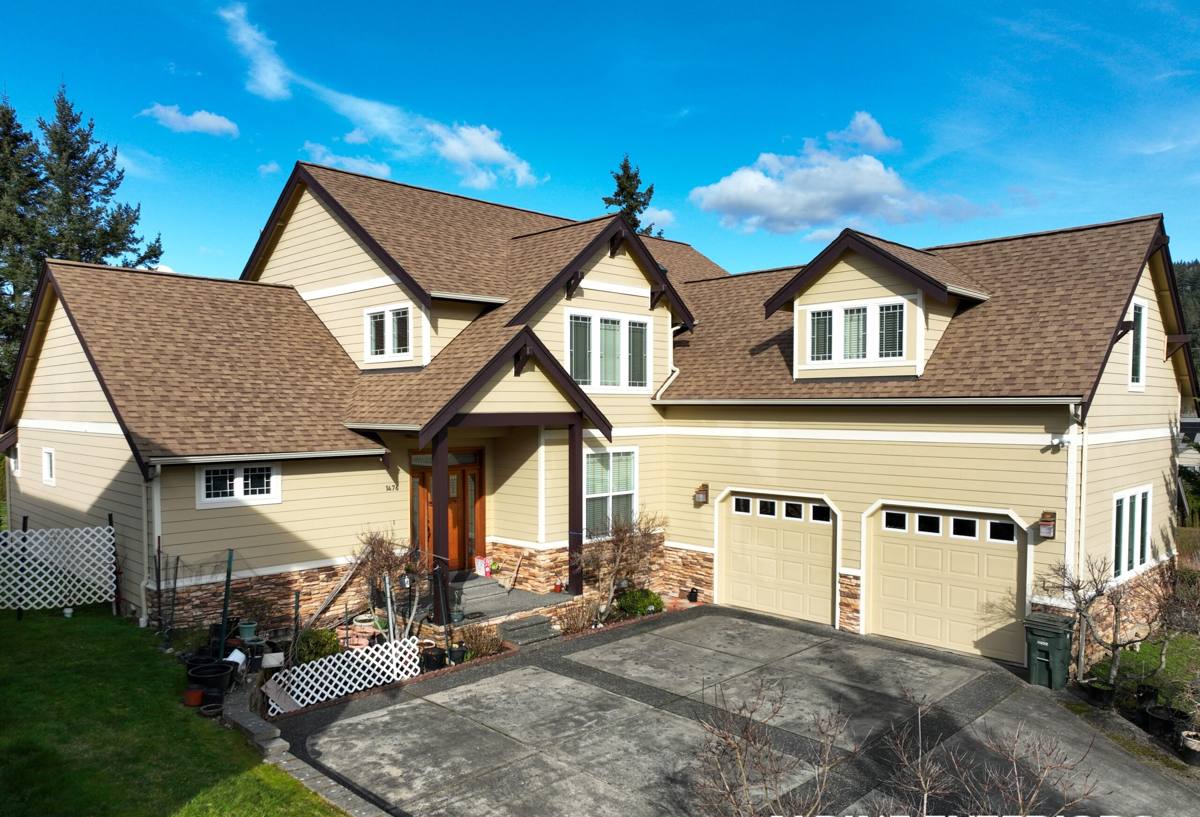
Signs Your Pinellas Park Roof Needs Replacement, Not Another Repair
Most roofs give warning signs before they fail outright. The trick is knowing when a patch is still the right call and when patching is just delaying an inevitable full replacement.
- Asphalt shingle roof is 18–25 years old, regardless of how it looks from the ground
- Granules collecting in gutters or at downspout splash points
- Shingles curling, cupping, or losing their flat profile
- Cracked, split, or missing shingles after a wind event
- Soft or spongy spots when walked on, indicating deck damage underneath
- Repeated interior ceiling stains, even small ones, that keep reappearing
- Visible daylight through the attic decking or roof sheathing
- You've had two or more repairs in the last two to three years
One or two of these on their own might mean a repair is enough. Several at once, especially on a roof already past the 18-year mark, usually means the underlying materials are failing across the board and a repair would just be a temporary patch on a bigger problem.
Roofing Material Options for Pinellas Park Homes
Architectural Asphalt Shingles
Still the most common choice for Pinellas Park homes, and for good reason — they're cost-effective, come in wind-rated product lines, and are available from manufacturers with warranty structures built around Florida's climate. The key is matching the shingle's wind rating and installation method to what this area actually sees, not just the code minimum for a given lot.
Standing Seam Metal
Metal roofing handles wind uplift very well when installed with the correct fastening system, sheds rain fast, and holds up to UV better than asphalt over the long run. It costs more upfront, and in a salt-air environment the fastener and flashing hardware matters — quality components resist corrosion far longer than budget-grade parts.
Concrete and Clay Tile
Tile is durable and handles heat and UV well, but it's heavier, requires a structurally appropriate deck, and every tile roof is only as wind-resistant as its underlayment and attachment system — the tile itself can survive a storm while the roof still leaks if what's underneath it wasn't installed correctly.
| Material | Typical Lifespan Here | Wind & Storm Performance | Maintenance | Relative Cost |
|---|---|---|---|---|
| Architectural Shingles | 18–25 years | Good, with correct wind-rated product and nailing | Low to moderate | $ |
| Standing Seam Metal | 30–45+ years | Very good with proper fastening | Low | $$$ |
| Concrete/Clay Tile | 30–50 years | Depends heavily on underlayment quality | Moderate | $$$ |
There's no single "best" material — the right choice depends on your home's structure, your budget, and how long you plan to own the property. Part of a good estimate is walking through those trade-offs honestly instead of steering every homeowner toward the same product.
What a Correctly Installed Roof Includes
A roof replacement is more than swapping old shingles for new ones. For a Pinellas Park home, a correct installation means:
- A tear-off down to the deck, with the deck itself inspected and any damaged sheathing replaced
- A self-adhering secondary water barrier at eaves, valleys, and penetrations, so wind-driven rain that gets past the surface layer still can't reach the deck
- Underlayment and fastening patterns that meet current Florida Building Code wind requirements for this county — not the minimums from a decade ago
- Properly formed and sealed flashing at every wall intersection, chimney, skylight, and vent penetration
- Correctly sized drip edge along eaves and rakes
- Balanced attic ventilation between intake and exhaust, so heat and moisture don't shorten the life of the new roofing from underneath
Skipping any one of these doesn't always show up right away. It shows up the first time a strong storm pushes rain sideways, or a few summers later when heat trapped in an under-ventilated attic starts baking the underside of the shingles.
Our Roof Replacement Process
- Inspection and written estimate. We assess the current roof, attic ventilation, and decking condition, and put the scope and pricing in writing before any work starts.
- Permit pulled. The permit is filed with the appropriate local building department before tear-off begins.
- Tear-off and deck inspection. Old roofing comes off down to the deck, and we inspect the sheathing for rot, delamination, or storm damage before anything new goes on.
- Deck repair as needed. Any damaged sheathing is replaced — this isn't optional, and it's called out clearly if it comes up.
- Underlayment and secondary water barrier. Installed per code and manufacturer specification, with extra attention at valleys and eaves.
- Flashing and drip edge. Formed and installed at every penetration, wall, and edge.
- Roofing material installation. Installed to the manufacturer's wind-rated specification, matched to what the county code requires for this area.
- Ventilation check. We confirm intake and exhaust ventilation are balanced for the new roof system.
- Final walkthrough and permit closeout. A local inspector signs off, and we walk the property with you before calling the job complete.
- Cleanup. Debris removal and a magnetic sweep of the yard and driveway for stray nails.
Permitting, Wind Mitigation, and Insurance in Pinellas County
Every roof replacement in Pinellas Park requires a permit, with inspections at defined stages of the work — this isn't a formality, it's the mechanism that confirms the roof was actually built to current wind and water-intrusion standards. A contractor who skips or rushes this step is cutting a corner that only becomes visible after a storm.
Once the new roof is complete, it's worth scheduling a wind mitigation inspection. Insurers in Florida offer credits for features like a hip roof shape, proper roof-to-wall attachment, and a secondary water barrier — all things a correctly done replacement should already have. Keep the permit closeout paperwork and any wind mitigation report on file; both come up when you sell the home or when your insurer reviews your policy.
Why a Crew That Already Works in Pinellas Park Matters
Roofing code and permitting requirements vary by jurisdiction, and a contractor who works Pinellas Park regularly already knows the local building department's process, typical inspection turnaround, and what tends to get flagged. That familiarity translates into fewer delays and fewer surprises mid-project.
Local experience also means understanding how exposure varies block to block — an open lot near a canal or close to the water takes wind and salt air differently than a shaded, inland lot, even within the same neighborhood. And when storm season hits Pinellas County, a crew based locally is going to reach you faster than one dispatching from out of the area, which matters when a damaged roof is left exposed to more rain.
Choosing a Roofing Contractor in Pinellas Park: A Homeowner's Checklist
- Holds an active, verifiable Florida roofing or general contractor license
- Carries general liability and workers' compensation insurance — ask for certificates directly
- Pulls the permit in their own name, not yours
- Provides a detailed written estimate, not just a total price
- Explains material and wind-rating choices rather than pushing one product
- Has an established local presence, not just a mailing address
- Puts warranty terms — both workmanship and manufacturer — in writing
Ready to Talk About Your Roof?
If your roof is showing its age, took a hit in the last storm, or you're just trying to plan ahead before hurricane season, we're happy to take a look and give you an honest read on where things stand. Fill out the form below for a free, no-pressure estimate — no obligation, just a straight answer about what your roof needs.