 St. Petersburg
 Why Kenneth City Roofs Wear Out Faster Than the Warranty Suggests
Kenneth City sits inland from the immediate Gulf coastline, but that doesn't buy your roof much of a break. Pinellas County is a peninsula — bay water on one side, Gulf on the other — and the salt-laden air that comes with it settles on every roof in the county, not just the ones a block from the water. Add in Florida's punishing UV load, near-daily summer thunderstorms that drive rain sideways under poorly sealed flashing, and the real risk of hurricane-force wind gusts during storm season, and you have a climate that ages roofing material faster than the manufacturer's brochure implies.
Most roofs in this area aren't failing because the homeowner did anything wrong. They're failing because they were installed to pass inspection, not to hold up for 20-plus years of Tampa Bay weather. A correct roof replacement accounts for all of that from the start — deck condition, ventilation, fastening pattern, and material choice — instead of just laying new shingles over old problems.
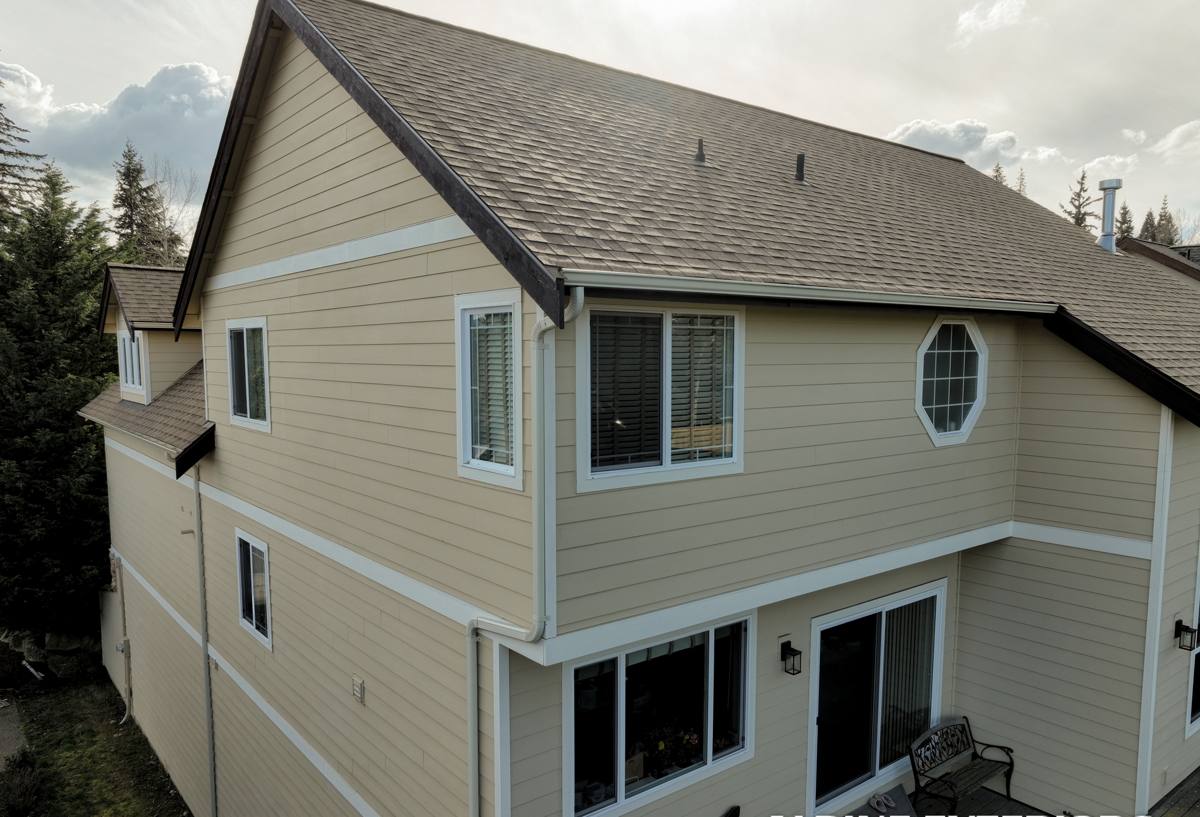
Signs a Kenneth City Home Needs Replacement, Not Another Repair
Roof repairs make sense when the damage is isolated and the roof underneath is still sound. Replacement becomes the honest recommendation when the roofing system as a whole — not just one spot — has reached the end of its useful life. Common signs we look for on Kenneth City homes include:
- Granule loss heavy enough that shingles look patchy or bald in sun-exposed areas
- Multiple past repairs in different areas of the same roof, suggesting the whole system is aging out together
- Soft spots, sagging, or visible deck movement when walked
- Curling, cracking, or lifted shingle edges from years of UV exposure and heat cycling
- Water staining in the attic or on ceilings that keeps reappearing after spot repairs
- A roof nearing or past the manufacturer's rated lifespan, especially if it's never been inspected for wind mitigation credits
If your roof is showing two or more of these at once, a replacement is usually the more cost-effective path — you stop paying for repeat repairs on a system that's already compromised underneath.
What a Correct Roof Replacement Actually Involves
Full Tear-Off, Not a Cover-Up
A proper replacement starts by stripping the roof down to the deck. This is the only way to see what's actually happening underneath — soft or rotted decking, old flashing that was never sealed right, or ventilation gaps that have been trapping heat and moisture for years. Roofing over an existing layer hides these problems instead of fixing them, and it's not something we recommend as standard practice.
Deck Inspection and Repair
Every section of exposed decking gets checked for soundness. Any wood that's soft, delaminated, or water-damaged gets replaced before anything new goes down. Skipping this step is one of the most common shortcuts in the industry, and it's also the reason a "new" roof can still leak within a few years.
Underlayment Built for Wind-Driven Rain
Florida's building code requires a secondary water barrier for a reason — wind-driven rain during tropical storms and hurricanes doesn't behave like a normal downpour. It can push moisture sideways and under shingle edges. A synthetic, high-adhesion underlayment system, properly lapped and sealed at every penetration, is what actually keeps water out when a storm is testing the whole roof at once.
Flashing at Every Transition
Chimneys, skylights, roof-to-wall junctions, and vent pipes are where most roof leaks actually start — not in the open field of shingles. Correct flashing detail at these transitions is slower work than just rolling out new shingles, but it's where a roof either holds up for decades or starts leaking in year three.
Ventilation That Matches the Roof
Florida attics take a beating from heat. Without balanced intake and exhaust ventilation, trapped heat shortens shingle life from the underside and can void manufacturer warranties outright. Replacement is the right time to correct ventilation that was never sized properly to begin with.
Choosing a Roofing Material for a Kenneth City Home
There's no single "best" roofing material — the right choice depends on your home's structure, your budget, and how much long-term maintenance you're willing to take on. Here's how the common options compare for this climate:
| Material | Typical Lifespan | Wind & Storm Performance | Maintenance | Relative Cost |
|---|---|---|---|---|
| Architectural asphalt shingle | 20–30 years | Good, with high-wind-rated products and proper fastening | Low to moderate | $ |
| 3-tab asphalt shingle | 15–20 years | Adequate, lower wind rating than architectural | Low to moderate | $ |
| Metal (standing seam or panel) | 40–50+ years | Excellent when properly installed | Low | $$$ |
| Concrete or clay tile | 40–50+ years | Very good structurally; individual tiles can crack from impact | Moderate (underlayment beneath tile still ages and needs eventual replacement) | $$$ |
Architectural shingles remain the most common choice for Kenneth City homes because they balance upfront cost with solid wind performance when installed with the correct nailing pattern and a rated underlayment system. Metal and tile cost more initially but spread that cost over a much longer service life, which matters if you plan to stay in the home long-term.
A Note on Product Quality
Not every shingle labeled "architectural" performs the same in wind testing, and not every underlayment handles Florida humidity the same way over time. We install products with wind ratings and warranty structures that hold up to independent, documented testing — and we're upfront when a cheaper option would save money now but cost more in maintenance or shortened lifespan later. That's a trade-off worth discussing before you decide, not after the roof is on.
Our Roof Replacement Process for Kenneth City Homes
- On-site inspection. We evaluate the current roof, deck condition, ventilation, and any storm or age-related damage, and photograph what we find.
- Written estimate. You get a clear scope of work and pricing — what's included, what materials are being used, and why.
- Permitting. We pull the required Pinellas County building permit before work begins. Roof replacement is not a job that should happen without one.
- Material delivery and site protection. Landscaping, gutters, and driveways get protected before tear-off starts.
- Full tear-off and deck inspection. Old roofing comes off, decking is checked and repaired as needed.
- Underlayment, flashing, and new roofing installation. Installed to current Florida Building Code wind and moisture requirements.
- Cleanup and magnetic nail sweep. Debris and stray fasteners are cleared from the yard and driveway.
- Final walkthrough and permit close-out. We review the finished roof with you and close out the permit with the county.
Permits, Codes, and Wind Mitigation
Roof replacements in Pinellas County require a building permit and inspection — this isn't optional paperwork, it's what confirms the work meets current wind and moisture standards for our region. A permitted, inspected roof also matters for resale and for insurance: many homeowners' policies ask for proof of a permitted roof replacement, and a properly documented new roof is typically eligible for a wind mitigation inspection, which can lower windstorm insurance premiums. We handle the permit process directly so you're not stuck chasing county paperwork on top of everything else.
What to Ask Before Hiring a Roofing Contractor
Roof replacement is a major investment, and the roofing trade has its share of storm-chasing outfits that show up after bad weather and disappear once the check clears. Before you sign anything, it's worth confirming the basics:
- Florida roofing license number, verifiable through the state licensing lookup
- Current general liability and workers' compensation insurance
- A written estimate detailing materials, scope, and total cost — not a verbal quote
- Confirmation that the contractor pulls the permit, rather than asking you to pull it yourself
- A physical local address and a track record of jobs in the St. Petersburg / Pinellas County area
- A manufacturer warranty on materials and a separate workmanship warranty from the contractor
If a contractor is reluctant to answer any of these directly, that's worth treating as a warning sign, not an oversight.
Why Local Experience in Kenneth City Matters
A crew that regularly works Kenneth City and the surrounding St. Petersburg area already knows the county permitting process, the typical roof structures found in the area's housing stock, and how local weather patterns actually stress a roof over time — not just in a single storm, but across years of UV exposure and salt air. That familiarity shows up in small but meaningful ways: fewer permitting delays, material choices that match what actually performs well here, and a crew that isn't learning the county's inspection requirements on your job. It also means faster response if a storm causes damage down the road — you're not waiting on a company that has to drive in from outside the area.
If your roof is showing its age or you're planning ahead of the next storm season, we're happy to take a look and give you a straightforward, no-pressure estimate. Fill out the form below and we'll walk your roof, answer your questions honestly, and let you know exactly where things stand.