 St. Petersburg
 Roof Repair Built for St. Pete Beach's Barrier Island Conditions
St. Pete Beach sits out on the Gulf side of Pinellas County, and that location changes what a roof has to survive. Homes here take a steadier beating from wind, salt-laden air, and driving rain than properties even a few miles inland. A repair that would hold up fine in a landlocked neighborhood can fail early on a barrier island roof if it isn't done with that exposure in mind. Our crew works St. Pete Beach regularly, alongside the rest of St. Petersburg, so we're not guessing at what this environment does to shingles, flashing, and fasteners — we see it on every service call.
This page covers roof repair specifically for St. Pete Beach: what tends to go wrong here, what a correct repair actually involves, and how we approach the job from first call to final walkthrough.
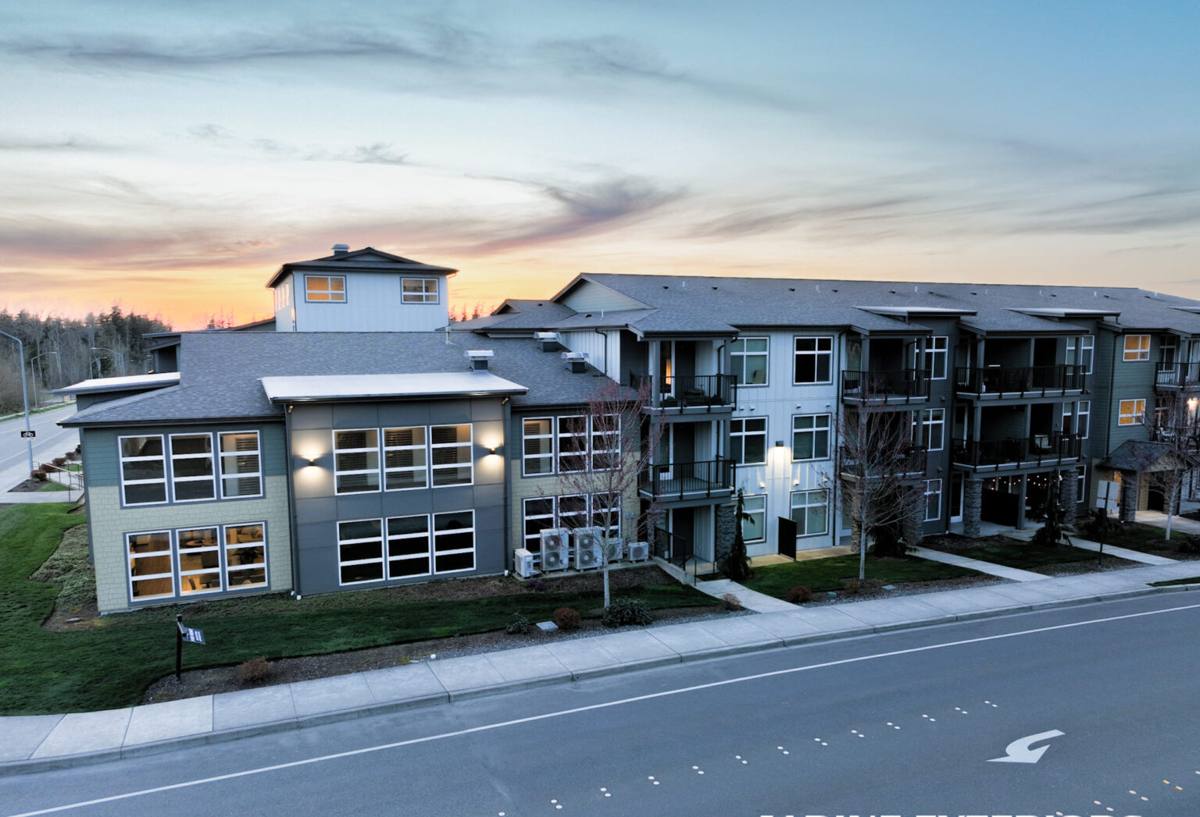
Why St. Pete Beach Roofs Wear Differently
Salt Air and Metal Fasteners
Airborne salt from the Gulf accelerates corrosion on any exposed metal — nail heads, flashing, drip edge, pipe boots with metal collars. On roofs elsewhere in Pinellas County this is a slow background factor. On a barrier island like St. Pete Beach it moves faster, and corroded fasteners are one of the most common root causes we find behind leaks that homeowners assumed were "just an old roof."
Wind-Driven Rain
Hurricane-force winds don't just threaten to lift shingles — they drive rain sideways and upward, forcing water under laps, around vents, and into any seam that isn't sealed correctly. A repair that only addresses the visible tear or missing shingle, without checking how water moves under wind pressure at that spot, often leaks again in the next storm.
Year-Round UV Load
Intense, near-constant Florida sun dries out asphalt shingles and breaks down sealants faster than in most parts of the country. On St. Pete Beach roofs we often find sealant that looks fine from the ground but has gone brittle and cracked up close — a repair that only patches the surface without addressing UV-degraded sealant underneath won't last.
Common Roof Repair Calls We See in St. Pete Beach
- Lifted or missing shingles after high wind, with exposed underlayment underneath
- Leaks around roof penetrations — plumbing vents, exhaust caps, AC line penetrations — where boots and collars have corroded or cracked
- Flashing pulled loose or rusted through at chimneys, walls, and roof-to-wall transitions
- Soft or stained ceiling spots that trace back to a small, long-standing leak rather than storm damage
- Granule loss and brittle shingles from sun exposure, leading to leaks at seams rather than obvious holes
- Damaged or clogged valleys and gutters that back water up under the roof edge during heavy rain
What a Correct Repair Actually Involves
Find the Real Source, Not Just the Symptom
Water travels before it shows up as a stain. A leak that appears over a bedroom might originate at a flashing failure several feet away. We trace the path before we touch a shingle, because patching the visible spot without finding the actual entry point means the leak comes back — sometimes in a different room.
Match the Repair to the Roof
Repairs need to tie into the existing roofing system correctly — matching shingle type and exposure, integrating new flashing with what's already there, and making sure any patched section sheds water the same way the surrounding roof does. A mismatched or poorly integrated repair can create a new weak point even if the original problem is fixed.
Address What Caused the Damage
If corroded fasteners or degraded sealant caused the failure, replacing them with the same materials just restarts the same clock. For St. Pete Beach homes, that usually means corrosion-resistant fasteners and flashing details sized for wind-driven rain, not just whatever fits the hole.
Repair vs. Replacement: How We Help You Decide
Not every damaged roof needs a full replacement, and not every leak is worth chasing with repeated patches. We look at the roof's age, how much of it is affected, and how it's held up to prior storms before recommending either path.
| Factor | Repair Usually Makes Sense | Replacement Worth Considering |
|---|---|---|
| Roof age | Well within expected lifespan | Near or past typical service life for the material |
| Damage extent | Isolated to one area or a few spots | Widespread granule loss, multiple leak points, or repeated failures |
| Underlying deck condition | Solid, no rot found on inspection | Soft decking or repeated water intrusion into the structure |
| Storm damage pattern | Concentrated wind or impact damage | Damage spread across multiple slopes or systemic flashing failure |
| Repair history | First repair, or issue clearly isolated | Same area has needed repeated fixes |
We'll give you an honest read on which category your roof falls into — we're not trying to sell a replacement when a proper repair will hold, and we're not going to keep patching a roof that's telling you it's done.
Our Process for a St. Pete Beach Repair Call
1. Inspection
We get on the roof (or use a ladder inspection where access requires it) and look at the full picture — not just the spot you called about. Barrier island roofs often have more than one weak area once salt air and wind exposure have had time to work.
2. Clear Explanation
You'll hear what we found, what's causing it, and what fixing it involves — in plain terms, before any work starts. If there's a repair-vs-replace decision to make, we walk through that with you rather than assuming.
3. The Repair Itself
We use materials suited to this environment — corrosion-resistant fasteners and flashing, sealants rated for high UV exposure — and tie the repair into the existing roof correctly so it performs as one system, not a patch sitting on top of another roof.
4. Cleanup and Walkthrough
We clear debris and old materials from the property and walk you through what was done before we consider the job finished.
Why a Local Crew Matters on St. Pete Beach
St. Pete Beach has its own access considerations — narrow lots, elevated or stilt-style construction in some areas, and roofs that see more direct Gulf exposure than homes further inland in St. Petersburg. A crew that already works this specific stretch of Pinellas County knows what to expect before they're on the ladder: what condition to look for in fasteners and flashing, how prior storms tend to have affected roofs in the area, and how to work around beach-community access without unnecessary delays. That familiarity translates into a faster, more accurate diagnosis and a repair that's built for the conditions your roof actually faces, not generic conditions.
It also matters for response time. Roof damage after wind or heavy rain doesn't wait for a convenient schedule, and a crew already working in the area can typically get to a St. Pete Beach property faster than one dispatching from farther away.
Simple Things You Can Check Before You Call
- Look for ceiling stains, especially near exterior walls, vents, or the chimney
- After a storm, check the yard and gutters for shingle granules or shingle pieces
- From the ground, look for shingles that appear lifted, curled, or missing compared to the rest of the roof
- Check attic spaces (if accessible) for damp insulation, daylight through the roof deck, or musty odors
- Note when the leak or damage started and whether it followed a specific storm — that detail helps us diagnose faster
None of these replace a proper inspection, but they help you describe the problem clearly when you call, and they can catch a small issue before it becomes a bigger one.
A Roof That's Built to Handle What St. Pete Beach Sends It
A roof repair on a Gulf-facing property in Pinellas County isn't the same job as a repair a few miles inland, and treating it that way is how the same leak ends up getting "fixed" more than once. Salt air, wind-driven rain, and sustained UV exposure all shape how we diagnose and repair roofs on St. Pete Beach, and that's the standard we hold every repair to — whether it's a single lifted shingle or storm damage across a whole slope.
If you've got a leak, storm damage, or a roof that just doesn't look right, we're happy to take a look. Fill out the form below for a free, no-pressure estimate — we'll tell you honestly what we find and what it'll take to fix it right.