 St. Petersburg
 Why Roof Repair Looks Different in Disston Heights
Disston Heights is one of St. Petersburg's older, established residential neighborhoods, and that history shows up on the roofs as much as anywhere else. A lot of homes here have been re-roofed at least once already, some have roofs approaching the end of their expected service life, and almost all of them are carrying decades of Pinellas County weather on top of them. That weather doesn't let up: hurricane-force winds during storm season, intense and nearly year-round UV, wind-driven rain that gets pushed into places ordinary rainfall never reaches, and salt air drifting in off Tampa Bay and the Gulf that quietly corrodes metal fasteners and flashing long before a leak ever shows up inside the house.
Roof repair done correctly in this neighborhood starts with understanding that combination — an older housing stock meeting an aggressive coastal climate — rather than treating every repair call the same way a roofer would in a drier, calmer part of the country. This page covers what actually damages roofs in Disston Heights, how a correct repair is diagnosed and done, and why hiring a crew that already works this area matters more than it might seem.
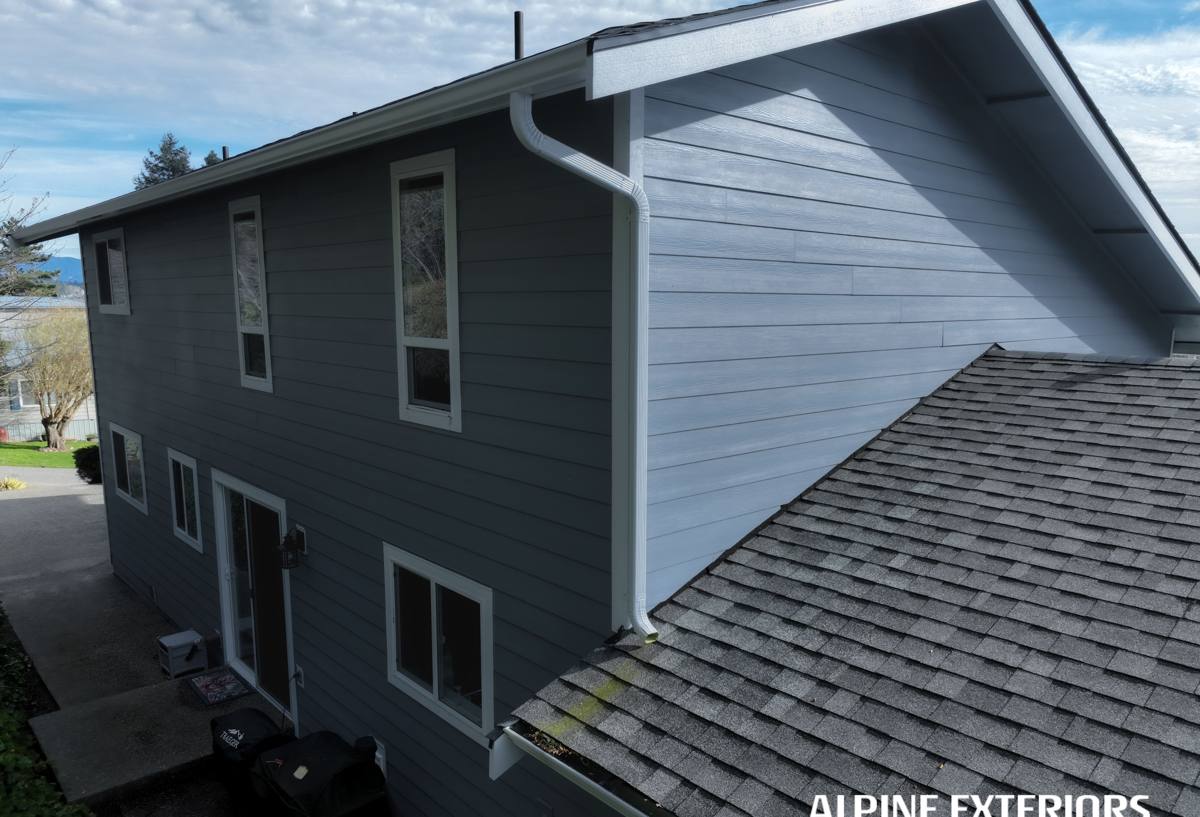
What Actually Damages Roofs in This Neighborhood
UV and Sun Exposure
Florida gets some of the highest year-round UV exposure in the country, and a roof takes that load directly, every day, with no relief. On asphalt shingles, sustained UV breaks down the asphalt and granule layer over time, leading to granule loss, brittleness, and eventually cracking. On tile and metal roofing, UV is less directly damaging to the material itself, but it accelerates the breakdown of sealants, underlayment, and any exposed fastener coatings. Sun damage is usually gradual and easy to overlook until it starts showing up as leaks, because by the time it's visible from the ground, the protective layer underneath has often already been compromised for a while.
Wind-Driven Rain
Ordinary rain falls straight down and sheds off a well-built roof without much trouble. Wind-driven rain doesn't behave that way — it gets pushed sideways and upward under shingles, tiles, and flashing edges that were only ever designed to shed water moving in one direction. This is especially true around penetrations like vent stacks, chimneys, and roof-to-wall transitions, where a small gap in flashing that would never leak in calm weather becomes an active leak point the moment wind pushes rain into it during a storm.
Hurricane Wind Uplift
Wind doesn't just push rain sideways — it also creates uplift forces that work at shingle edges, ridge caps, and tile fastening points, trying to lift roofing material rather than just soak it. Older roofs, or roofs installed before more current wind-resistance standards, are more vulnerable to this kind of damage. After a windy season, it's common to find lifted or missing shingles, cracked or shifted tiles, and loosened ridge components, even on roofs that look intact from a quick look at the ground.
Salt Air and Corrosion
Being in St. Petersburg means dealing with salt-laden air even for homes that aren't directly on the water, since it moves inland on the wind off Tampa Bay and the Gulf. That salt settles on exposed metal continuously and accelerates corrosion in roofing nails, flashing, drip edges, and vent boots well before any of it is visible from the ground. Corroded fasteners lose their holding strength quietly, which is one of the more common reasons a roof that "looked fine" starts leaking without any obvious storm event to point to.
Common Roofing Types in Disston Heights and Their Repair Needs
Disston Heights has a mix of roofing materials, largely reflecting the neighborhood's age and the different points in time homes here were built or re-roofed. Each material fails differently and needs a different repair approach.
| Roofing Type | Common Failure Points | Typical Repair Approach |
|---|---|---|
| Asphalt shingle | Granule loss, cracking, wind-lifted or missing shingles, nail pops | Spot shingle replacement, re-securing lifted areas, flashing repair at penetrations |
| Concrete or clay tile | Cracked or slipped tiles, failed underlayment beneath sound-looking tile, mortar or fastener failure at ridge and hip | Individual tile replacement, underlayment repair beneath affected sections, ridge re-bedding |
| Metal roofing | Fastener backout, sealant failure at seams and penetrations, isolated corrosion at cut edges | Fastener replacement with correct gasket type, resealing seams and penetrations, panel section repair |
| Flat or low-slope sections (porches, additions) | Membrane seam failure, ponding water, flashing separation at roof-to-wall junctions | Seam and flashing repair, addressing drainage rather than just patching the symptom |
A lot of homes here actually have more than one of these on the same roof — a main shingle or tile roof plus a flat or low-slope section over a porch, carport, or addition — and that transition point is one of the most common places we find leaks starting.
Signs You Need a Roof Repair
Some roofing problems are obvious. Many aren't, especially early on, which is why homeowners often end up dealing with interior damage before they realize the roof needs attention. Watch for:
- Water stains on ceilings or upper walls, even faint ones that seem to come and go with weather
- Missing, cracked, curling, or visibly lifted shingles, or tiles that look shifted from their neighbors
- Granules collecting in gutters or at downspout outlets, a sign asphalt shingles are wearing down
- Daylight visible through the roof deck from inside the attic
- Soft or sagging spots when walking the roof or viewing it from a ladder
- Rust streaking below metal flashing, vent boots, or exposed fasteners
- A noticeable rise in humidity or musty smell in the attic, which can point to a slow leak before it ever stains a ceiling
- Visible gaps or separation at roof-to-wall transitions, chimneys, or skylights
Any one of these on its own doesn't necessarily mean a major problem, but they're all reasons to get an actual inspection rather than wait and see what happens during the next storm.
How We Diagnose a Roof Problem Before Recommending Repair
An accurate repair estimate depends on a real inspection, not a guess based on a leak's location inside the house — water travels along framing and can show up on a ceiling well away from where it's actually entering the roof. A proper inspection typically includes checking the roof surface itself for damaged, missing, or lifted material; examining flashing at every penetration, including vents, chimneys, and roof-to-wall transitions; assessing fastener condition, especially on older roofs where corrosion is likely further along than it looks; getting into the attic to check the underside of the deck and look for staining, damaged insulation, or daylight; and evaluating whether the underlayment beneath the visible roofing is still doing its job, since that layer can fail well before the surface material shows obvious signs.
We explain what we find plainly — what needs repair now, what's worth monitoring, and what's purely cosmetic — before recommending any scope of work.
Repair vs. Replace: How That Decision Actually Gets Made
Not every roof problem calls for the same response, and the honest answer depends on more than just how bad a single leak looks. Florida's building code also plays a real role here: if roofing repairs on a given section end up covering more than 25 percent of the total roof area, code generally requires that section be brought up to current roofing standards rather than simply patched, which can shift the math toward a broader repair or replacement. The factors that actually drive the repair-versus-replace decision include:
- Extent of the damage. A localized leak at one penetration or a section of wind-damaged shingles is usually a straightforward repair. Widespread granule loss, multiple failed sections, or underlayment failure across a large area often isn't worth chasing piece by piece.
- Age of the existing roof. A roof nearing the end of its expected service life may only have limited repair cycles left before replacement becomes the more sensible long-term option.
- Underlying deck condition. If the roof deck itself has water damage or rot beneath the surface material, that changes the scope significantly regardless of how the surface looks.
- Insurance and financing considerations. Some Florida insurers place age limits on roofs they'll cover, or require a 4-point inspection that can influence whether repair or replacement makes more sense for a given policy.
We'll give a straight answer on which category a roof falls into, including when a repair genuinely is the right call rather than pushing toward a bigger job than the roof actually needs.
What a Correct Roof Repair Involves
Flashing Done Right, Not Just Sealant Over a Gap
A lot of roof leaks trace back to flashing, not the roofing material itself, and a lot of bad repairs treat flashing failures as a caulking problem rather than a detailing problem. Correct flashing repair means reworking the metal or membrane so water sheds the way it's supposed to, not just covering a gap with sealant that will fail again once the sun and salt air get to it.
Matching Materials Honestly
Repairing a section of an existing roof means working with what's already there — matching shingle style and color as closely as possible, matching tile profile, or working within an existing metal panel system. On older roofs, exact matches aren't always available, and we'll tell you that upfront rather than after the repair is done.
Wind Mitigation and Code Compliance
Any repair we do accounts for Florida's wind-resistance requirements, not just how the roof looked before the damage occurred. That matters both for the roof's actual performance in the next storm and because proper wind mitigation detailing can affect insurance pricing on older Pinellas County homes.
Fixing the Cause, Not Just the Symptom
A stained ceiling is a symptom. A failed flashing detail, a cracked tile, or corroded fasteners upstream of it is the cause. A repair that addresses only the visible damage without correcting what let water in tends to fail again in the same spot, often sooner the second time because the underlying issue was never actually fixed.
Maintenance That Extends a Repair's Lifespan
- Have gutters and downspouts cleared regularly so water isn't backing up under roof edges
- Trim back tree limbs that overhang the roof, both for physical abrasion and to reduce debris buildup that traps moisture
- Walk the attic a couple of times a year looking for staining, daylight, or musty odors between full roof inspections
- Check visible flashing and vent boots after major storms, since these are the most common points of new damage
- Address small issues — a lifted shingle, a hairline crack in a tile — promptly rather than waiting for them to become active leaks
- Schedule a professional inspection after any significant wind event, even if nothing looks obviously wrong from the ground
Why It Matters That We Already Work Disston Heights
A roofer who mostly works newer construction elsewhere in the county can still do competent work here, but Disston Heights comes with a set of variables that show up more consistently in an older, established neighborhood than they would on a newer build: roofs that have already been repaired or patched once or twice by previous owners or contractors, mixed roofing materials on the same structure, and flashing details that were standard practice decades ago but don't hold up the way current best practice calls for. Working in this neighborhood regularly means we're not guessing at what we'll find once we get on the roof — we've seen how these roofs age, what fails first, and what a correct repair actually needs to hold up against St. Petersburg's wind, sun, and salt air.
That familiarity also means a more accurate inspection and estimate the first time, with fewer surprises once the work is underway, because we're accounting for how this specific climate and this specific neighborhood's housing stock actually behave rather than applying a generic checklist.
Get an Honest Roof Assessment
Whether you're dealing with a specific leak, storm damage, or just want a straight read on where your roof stands, we're glad to take a look and explain what we find plainly — including if the honest answer is that your roof doesn't need much right now. Reach out below for a free, no-pressure estimate.