 St. Petersburg
 Why Pinellas Point Decks Wear Out Faster Than Most
Pinellas Point sits on a peninsula surrounded by water on nearly every side, which means the decks here take a heavier beating than decks just a few miles inland in St. Petersburg. Salt-laden air moves off Tampa Bay and Boca Ciega Bay and settles into every joint, fastener, and seam of a deck structure. Add in the intense, near year-round Florida UV exposure, wind-driven rain during summer storms, and the occasional hurricane-force wind event, and you have a combination that ages an ordinary deck well before its time.
Most homeowners don't notice the damage until it's already structural. Surface graying or a little board cupping looks cosmetic, but underneath, fasteners are corroding, ledger boards are absorbing water they can't shed, and framing members are losing the strength they need to carry a safe load. A deck that looks "fine" from the top can still be failing from below.
What Makes This Location Different
Not every part of Pinellas County sees the same rate of deck deterioration. Homes closer to open water get more direct salt exposure and more consistent wind loading on railings and fasteners. Decks with less tree cover take the full brunt of UV degradation on wood fibers and composite surfaces alike. If your deck faces open water or gets sun most of the day, plan on a shorter service life than a shaded, inland deck — and plan your replacement schedule accordingly.
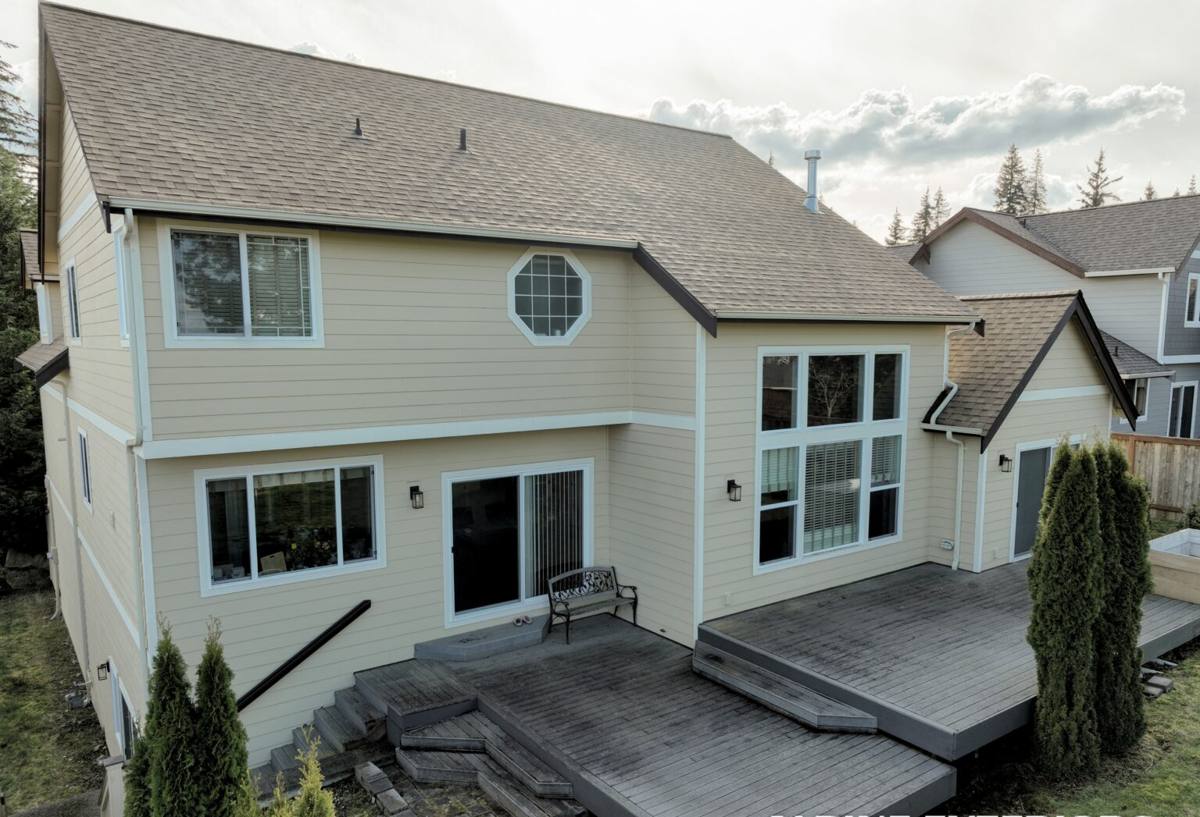
Signs a Deck Needs Replacement, Not Just Repair
Repair makes sense when the damage is isolated — a single soft board, a loose railing baluster, a handful of popped screws. Replacement becomes the right call when the problems are systemic: when the ledger, the framing, or the majority of the decking itself has been compromised by years of moisture cycling and sun exposure.
- Soft or spongy spots in more than one area of the decking surface
- Visible rot, discoloration, or fungal growth at the ledger board where the deck meets the house
- Rust streaking or corrosion around fasteners, joist hangers, or post bases
- Noticeable movement, bounce, or sway when walking across the deck or leaning on the railing
- Wood that has grayed, split, and checked deeply enough that sanding or staining won't restore it
- Footings or posts that have shifted, settled, or show cracking at grade level
- A deck older than 15-20 years that has never had major structural work done
If you're seeing two or more of these at once, a patch-and-repair approach usually ends up costing more over time than a proper replacement, because you're repeatedly fixing symptoms of a structure that's past its functional life.
What a Correct Deck Replacement Actually Involves
A deck replacement isn't just tearing off old boards and screwing down new ones. Done correctly, it starts below the surface and works up.
Structure First
The ledger board — the piece that attaches the deck to the house — is the single most important connection on the whole structure, and it's also the most common failure point on coastal decks because it traps moisture against the house framing. A proper replacement includes flashing this connection correctly so water is directed away from the house rather than trapped against it.
Footings and Framing
Footings need to be sized and set to local frost-free, load-bearing standards (Florida's concern is less about frost and more about wind uplift and soil movement near the water table). Joists and beams should be spaced and sized for the actual load the deck will carry, using fasteners and connectors rated for coastal, high-corrosion environments — not the standard interior-grade hardware that's fine in drier inland climates.
Decking, Railings, and Fasteners
The visible surface — decking boards, railings, stairs — gets chosen based on how much sun and moisture that specific deck will see, not a one-size-fits-all default. Hidden fastener systems, stainless or coated screws, and corrosion-resistant connectors matter more here than they would on a deck fifty miles inland.
Choosing Decking Material for a Coastal Environment
There's no single "best" decking material for every home — it depends on budget, maintenance tolerance, and how exposed the deck is to sun, salt, and rain. Here's how the common options actually compare under Pinellas Point conditions:
| Material | How It Handles Salt Air & UV | Maintenance | Typical Lifespan Here |
|---|---|---|---|
| Pressure-treated pine | Prone to graying, splitting, and fastener corrosion without regular sealing | Needs sealing/staining every 1-2 years | 8-15 years |
| Tropical hardwood (e.g. ipe) | Naturally dense and rot-resistant, but still needs oil treatment to resist UV fading | Oiling 1-2x per year to maintain color | 20-25 years with upkeep |
| Capped composite | Strong resistance to UV fading and moisture absorption; will not rot | Occasional washing, no sealing/staining | 25-30 years |
| PVC decking | Fully synthetic, excellent moisture and salt resistance | Lowest maintenance of the group | 25-30+ years |
We don't push one product over another as a blanket rule — we walk homeowners through the real trade-offs. Wood costs less up front but demands consistent upkeep to survive salt air and sun; composite and PVC cost more initially but hold up with far less attention, which matters for owners who don't want a recurring maintenance chore. Our standard is to match the material to how the homeowner actually plans to use and maintain the deck, not to sell whatever has the highest margin.
How Our Replacement Process Works
- On-site assessment — we inspect the existing structure from the footings up, checking ledger condition, framing, and any hidden moisture damage before quoting anything.
- Honest scope and estimate — you get a clear breakdown of what needs full replacement versus what can reasonably stay, with material options and pricing explained in plain terms.
- Permitting — we handle the permit application and coordinate required inspections so the job meets current code, not just what was code when the old deck was built.
- Demolition and disposal — the old structure comes out cleanly, with attention to protecting the house exterior and landscaping during removal.
- Structural rebuild — footings, framing, and ledger flashing are installed to current standards using corrosion-resistant hardware suited to this environment.
- Decking, railing, and finish work — surface materials go down last, with fastening methods appropriate to the chosen product.
- Final inspection and walkthrough — we confirm the permit closes out and walk the finished deck with the homeowner before calling the job done.
Permits, Code, and Flood Zone Considerations
Deck replacements in St. Petersburg and unincorporated Pinellas County generally require a permit, especially when the work involves new footings, framing, or structural changes rather than a simple like-for-like resurfacing. Because Pinellas Point is a low-lying peninsula, some properties fall within flood zones that carry additional requirements around footing depth, elevation, or attachment methods. Skipping the permit process might save time in the short term, but it creates real problems at resale, with insurance claims, and with future inspections — a licensed local contractor handles this as a standard part of the job, not an optional extra.
What Drives the Cost of a Deck Replacement
Every deck is different, so exact pricing depends on the specifics of your project, but the same handful of factors drive cost on nearly every job we quote:
| Factor | Why It Matters |
|---|---|
| Deck size and shape | More square footage and complex angles or multiple levels increase labor and material |
| Decking material chosen | Pressure-treated wood costs less upfront; composite and PVC cost more but need less upkeep |
| Structural condition below the surface | Rotted framing, footings, or ledger boards add rebuild work beyond the visible decking |
| Height and access | Elevated decks, stairs, and difficult site access add labor time |
| Railing style and code requirements | Code-compliant railing height and baluster spacing affects material and labor |
| Permit and flood zone requirements | Additional engineering or footing depth can be required depending on the property's zone |
We provide a firm, itemized quote after seeing the actual deck in person — we don't give ballpark numbers over the phone, because the structural condition underneath is usually what separates an inexpensive job from an expensive one.
Protecting Your Investment After Replacement
A new deck is only as good as the upkeep it gets in a climate like this one. A few habits go a long way toward getting the full lifespan out of a new structure:
- Rinse salt residue off the deck surface and railings periodically, especially after storms with wind-driven spray
- Keep gutters and downspouts clear so runoff doesn't pool against the ledger connection
- Reapply sealant or oil on wood decking on the schedule the manufacturer recommends — don't wait until it looks dry and gray
- Check fastener heads and railing connections once or twice a year for early signs of corrosion
- Trim back vegetation that holds moisture against the underside of the deck or blocks airflow
Why It Matters to Hire a Crew That Already Works This Area
A contractor who mainly works inland jobs may not think twice about using standard hardware or skipping extra flashing detail — because inland, it usually holds up fine. On a peninsula like Pinellas Point, those same shortcuts show up as rust streaks and soft ledger boards within a few years instead of a couple decades. Working this area regularly means we already know which fastener grades, flashing details, and material choices actually hold up against salt air and Gulf Coast storms, and we build every deck to that standard by default rather than treating it as an upgrade.
If your Pinellas Point deck is showing its age or you're planning ahead before it becomes a safety issue, we're happy to take a look and give you a straight, no-pressure estimate — just fill out the form below to get started.