 St. Petersburg
 Pinellas Park Windows Work Harder Than Windows Almost Anywhere Else
Pinellas Park sits inland from the Gulf but still close enough to catch salt-laden air, and close enough to Tampa Bay and the coast that every window on a home here deals with the same basic stress load as the rest of Pinellas County: hurricane-force wind gusts during storm season, wind-driven rain that gets pushed sideways into any gap or weak seal, intense UV exposure nearly every day of the year, and humidity that never really lets up. None of that is unique to any one street or subdivision in Pinellas Park — it's the baseline for this part of Florida. What it means practically is that a window installed here has to do more than look good and open smoothly. It has to keep water out under wind pressure, hold its seal as vinyl and rubber components age faster in UV, and resist frame fatigue from years of expansion and contraction in heat.
A window that's a fine fit for a mild climate can still fail here within a few years if it's installed loosely, sealed with the wrong materials, or specified without wind load in mind. That's why window installation in this area is as much about the install itself — flashing, fastening, sealing, structural attachment — as it is about the product you choose.
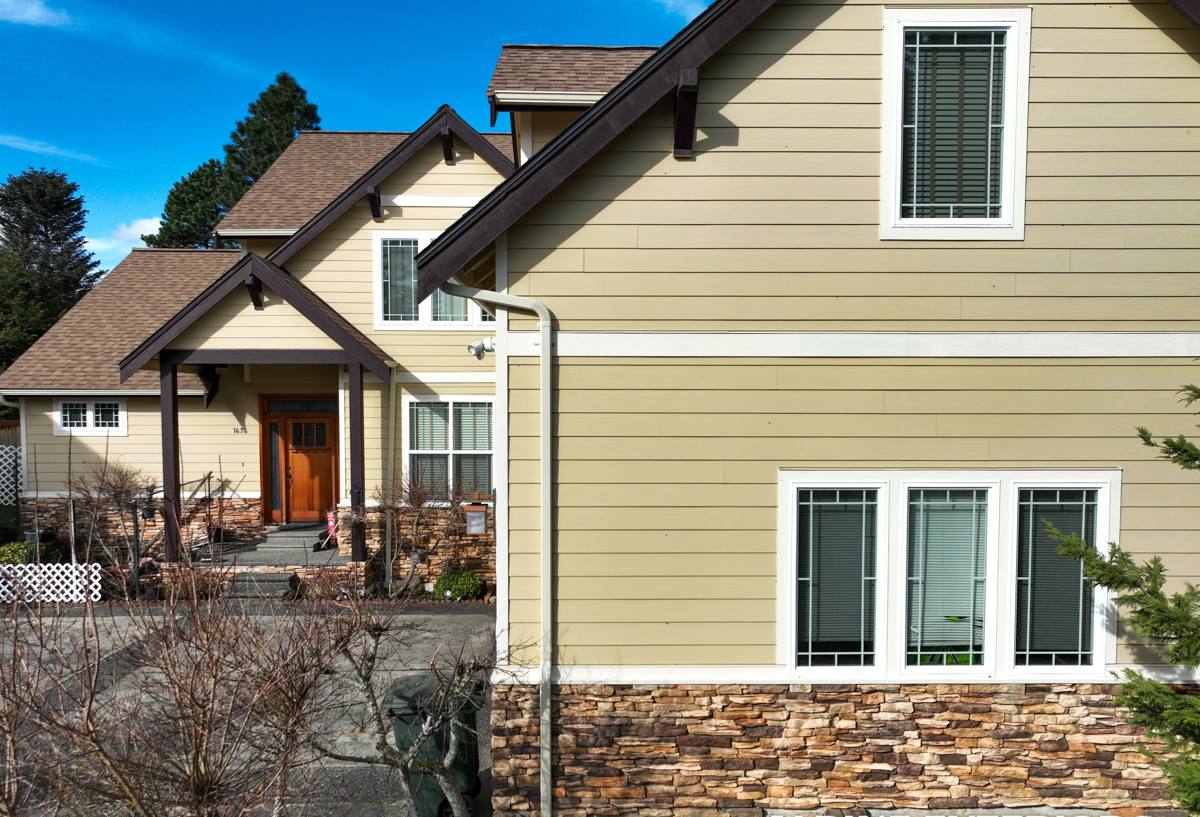
Signs a Pinellas Park Home Needs Replacement, Not Just Repair
Homeowners often ask us to look at a window that's "just sticking" or "just a little foggy," and sometimes a repair really is enough. Other times the window is telling you the frame or seal has already failed and repair would just be delaying the real fix. A few things we look for:
- Fogging or a persistent haze between panes on double-pane windows — the seal has broken and the gas fill or air gap is compromised
- Visible daylight, drafts, or whistling around the frame when it's windy
- Soft, discolored, or swollen wood or trim around the window opening, which usually points to water intrusion behind the frame
- Windows that are painted shut, won't stay open, or require force to latch — often a sign of a warped or sagging frame
- Chalky, pitted, or clouded exterior aluminum or vinyl that no longer cleans up, a common result of years of direct Florida UV
- Rising energy bills with no other explanation, which can mean the seal or glazing has degraded enough to lose its insulating value
- Any window that leaked or rattled noticeably during a recent storm
If you're seeing more than one of these on the same window, replacement is almost always the more honest recommendation than another repair.
What a Correct Window Installation Actually Involves
Window installation looks simple from the outside — old window out, new window in — but the parts that determine whether it lasts are mostly hidden once the trim goes back on. This is where most of the difference between a window that performs for decades and one that fails early actually gets decided.
Removing the Old Window and Prepping the Opening
Before anything new goes in, we check the rough opening for square, level, and soundness. If there's water damage, rot, or a compromised sill behind the old unit — which isn't unusual on older Pinellas Park homes — that gets addressed before installation continues. Installing a new window into a damaged opening just seals the problem inside the wall.
Flashing and Water Management
This is the step that matters most in a climate with wind-driven rain. Proper flashing directs any water that gets past the exterior finish back out and away from the wall assembly, rather than letting it pool at the sill or work its way into the framing. Skipping or shortcutting flashing is one of the most common causes of hidden rot behind windows that otherwise "look" fine.
Fastening and Shimming
The window has to be shimmed so it's plumb, level, and square in the opening, then fastened per the manufacturer's schedule and local wind-load requirements. An unevenly shimmed frame puts stress on the corners, which is often why a window starts to bind or won't latch properly within a couple of years.
Sealing and Insulation
The gap between the window frame and the rough opening gets insulated and sealed with the right materials — not just caulk smeared around the outside trim. Interior and exterior sealing both matter; exterior sealing keeps wind-driven rain out, interior sealing stops air leaks and condensation issues.
Wind Load and Opening Protection
Florida Building Code sets wind-load and, in many areas, opening-protection requirements that apply to replacement windows, and Pinellas County enforces its own permitting and inspection process on top of that. We size and specify windows to meet the load requirements for the specific home, not a generic one-size answer, and pull the permits the job actually requires.
Choosing the Right Window for a Pinellas Park Home
There's no single "best" window for every house — it depends on budget, sun exposure, storm protection needs, and how the home is built. Here's how the common frame options generally compare in this climate:
| Frame Material | Performance in Coastal/UV Climate | Maintenance | Typical Trade-Off |
|---|---|---|---|
| Vinyl | Good UV and moisture resistance when quality-grade; won't corrode | Low — no painting, occasional cleaning | Can expand/contract in extreme heat if lower-grade material is used |
| Aluminum | Strong and slim-profile, but more prone to salt-air corrosion over time near the coast | Moderate — may need periodic refinishing | Conducts heat more than vinyl, affecting energy performance |
| Fiberglass | Very stable in heat and UV, minimal expansion/contraction | Low | Higher upfront cost than vinyl |
| Wood (clad) | Good insulator, but exterior wood is vulnerable to Florida humidity and rot if not fully clad and maintained | Higher — exposed wood needs regular upkeep | Best suited to protected areas, not full sun/rain exposure |
We'll walk through this with you against your budget and the specific exposure of your home — a west-facing wall that takes full afternoon sun and storm winds has different priorities than a shaded, protected side of the house.
Our Installation Process
We keep the process straightforward because most homeowners just want to know what's happening and when.
- On-site assessment. We look at your current windows, openings, and any water or structural issues, and talk through what you're trying to solve — energy efficiency, storm protection, appearance, or all three.
- Measurement and specification. Every opening gets measured individually. We don't assume openings match just because the windows look the same size.
- Permitting. We handle the Pinellas County permit process for the job, so you're not stuck navigating that on your own.
- Installation. Old windows out, openings inspected and prepped, new windows set, flashed, fastened, and sealed per code and manufacturer spec.
- Final check and cleanup. We test operation on every window, check seals, and clean up the work area before we consider the job done.
What Drives the Cost of Window Installation
We won't quote a number without seeing the job, but these are the factors that typically move the price up or down:
| Factor | Why It Affects Cost |
|---|---|
| Number of windows | More openings means more labor, materials, and disposal |
| Impact-rated vs. standard glass | Impact glass and reinforced frames cost more upfront but reduce or eliminate separate storm protection needs |
| Frame material | Vinyl, aluminum, fiberglass, and clad-wood options each carry different material costs |
| Opening condition | Rot, damaged framing, or out-of-square openings add repair time before installation can proceed |
| Window size and type | Large picture windows, sliders, or custom shapes cost more than standard single- or double-hung units |
| New-construction vs. retrofit | Retrofit (insert) windows are typically less invasive and less costly than full new-construction replacements that involve removing exterior trim and stucco |
Why a Crew That Already Works Pinellas Park Matters
Window installation isn't unique to this neighborhood, but the conditions it has to hold up to are consistent across St. Petersburg and the rest of Pinellas County — the same wind exposure, the same salt air, the same UV load, the same wind-driven rain during storm season. A crew that regularly works this area already knows what tends to go wrong in local installations: where old openings typically have hidden water damage, what wind-load specs the county expects to see on permits, and which sealing and flashing details actually hold up here versus just meeting the minimum. That familiarity shows up in fewer surprises during the job and a longer-lasting result, not in anything flashy.
It also means someone local is answering the phone if you have a question after the install, rather than a call center for a company that installed your windows once and moved on to the next region.
After Installation: Keeping Windows Performing
New windows still need basic upkeep in this climate. Rinse frames and tracks periodically to clear salt residue and grit, especially after storms. Check that weep holes (the small drainage openings on the bottom of the frame) stay clear of debris so water can drain out instead of pooling. Keep an eye on caulking and exterior sealant, since Florida sun breaks down sealants faster than in milder climates, and a resealed joint every few years is a lot cheaper than water damage from a failed one.
If your windows are drafty, fogged, hard to operate, or you're just planning ahead of the next storm season, we're happy to come take a look and give you a straightforward, no-pressure estimate — no invented urgency, just an honest read on what your home actually needs. Use the form below to get started.