 St. Petersburg
 Roofing a Historic Kenwood Home in a Coastal Climate
Historic Kenwood sits inland enough from Tampa Bay to feel like a quiet, tree-canopied pocket of St. Petersburg, but it's still Pinellas County — which means every roof in the neighborhood answers to the same coastal forces as homes three blocks from the water. Hurricane-force winds during storm season, near-constant UV exposure the other nine months, wind-driven rain that finds every weak seam, and a steady drift of salt air off the Gulf and the bay all combine to age a roof faster here than they would inland in most other parts of the country. A roof installed correctly for this climate looks the same as any other roof from the street. The difference is underneath — in the deck, the fasteners, the flashing, and the underlayment nobody sees until there's a problem.
When we talk about a "new roof installation" in Historic Kenwood, we're not talking about a generic reroof dropped onto any house in Florida. We're talking about a system matched to this neighborhood's older housing stock, its tree cover, its wind exposure, and the realities of doing careful work on a street with mature trees, narrow lots, and close-set homes.
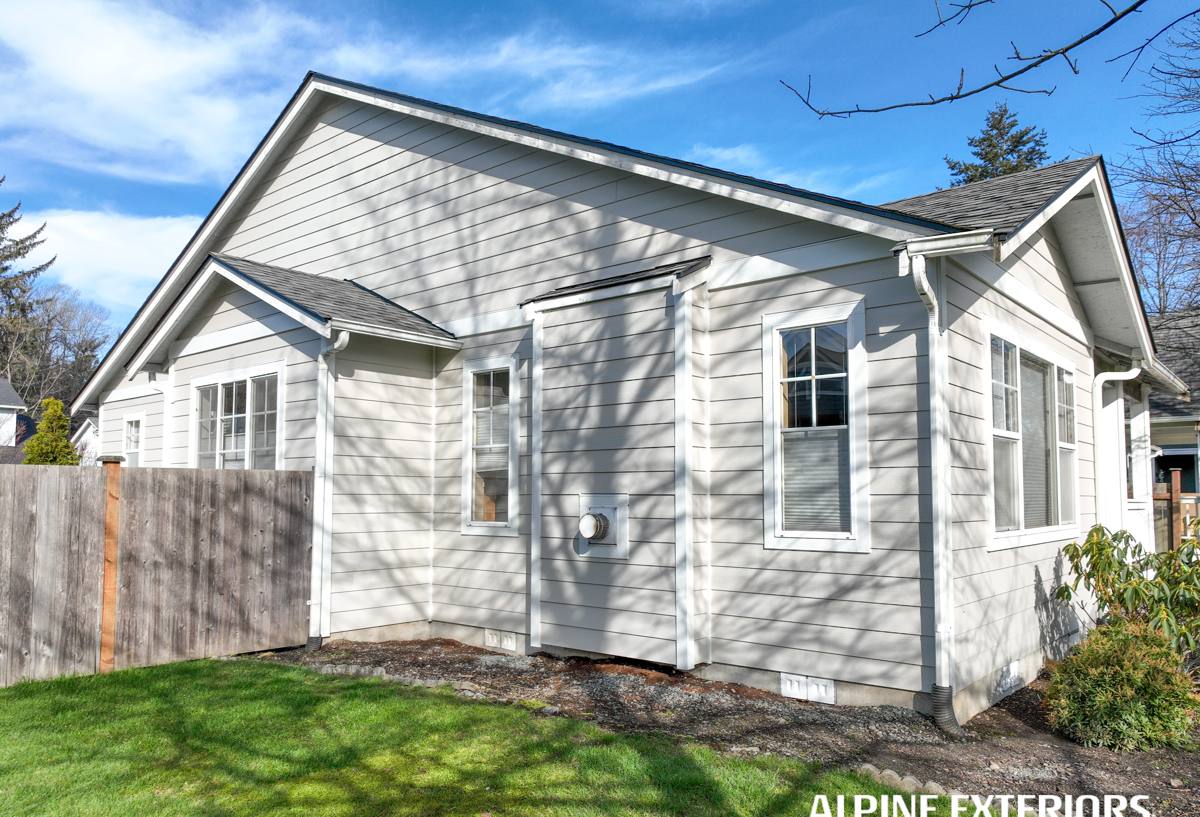
What Historic Kenwood's Housing Stock Means for a Reroof
Historic Kenwood is known for its concentration of early 20th-century bungalow and Craftsman-style homes, along with a mix of later infill construction. That matters for roofing in a few concrete ways:
Older Roof Decking
Many homes of this era were originally framed with board decking (individual planks) rather than the plywood or OSB sheathing used in newer construction. Board decking can still be sound, but it behaves differently under a new roofing system — it needs a careful inspection for rot, gaps, and fastener holding strength before anything new goes down. Skipping that step is one of the most common shortcuts in the roofing trade, and it's the one most likely to cause problems five or ten years later.
Roof Pitch and Shape
Bungalow-style roofs in this part of St. Petersburg often have moderate pitches with dormers, porch roofs, and multiple intersecting planes rather than one simple rectangle. Every valley, hip, and transition is a place where water wants to find a way in, so the flashing detail work matters more on a home like this than on a simple gable roof.
Tree Canopy
The mature oak canopy that gives Historic Kenwood its character also means more debris, more shade-retained moisture, and more limb-strike risk during wind events. That doesn't change what roofing system is right for the house, but it does affect how we sequence tear-off and staging, and it's a reason gutter and drainage details deserve real attention during installation.
What a Correct New Roof Installation Actually Involves
A roof is a system, not a single product. Shingles or metal panels get the attention because they're visible, but the layers underneath do most of the work of keeping a home dry and keeping the roof attached during a windstorm. A correct installation includes:
Deck Inspection and Repair
Every square foot of decking gets checked once the old roofing is removed. Soft, delaminated, or rotted sections are replaced — not skimmed over with an extra layer of underlayment. This is the step that determines whether the rest of the roof has something solid to hold onto.
Underlayment
Synthetic underlayment or a self-adhered membrane goes down as the roof's secondary water barrier. In wind-driven rain — which St. Petersburg sees regularly during storm season — this layer is often what keeps water out of the attic even when a shingle or panel gets damaged.
Flashing at Every Penetration and Transition
Chimneys, skylights, plumbing vents, sidewalls, valleys, and roof-to-wall transitions all need properly formed and sealed flashing. On a bungalow with multiple roof planes, there are more of these details than on a simple roof shape, and each one is a potential leak point if it's rushed.
Fastening to Code
Florida Building Code sets specific nailing patterns and fastener requirements based on the home's wind zone, and Pinellas County enforces these at permit and inspection. This is not the place to cut corners — correct fastening is the single biggest factor in whether a roof stays attached during a hurricane-force wind event.
Ventilation
Proper intake and exhaust ventilation keeps attic temperatures and moisture in check. Given how much UV and heat this roof will absorb year-round, poor ventilation shortens the life of the roofing material from underneath, even when the surface looks fine.
Roofing Material Options for Kenwood Homes
There's no single "right" roofing material for Historic Kenwood — the right choice depends on the home's roof shape, budget, and how long you plan to own it. Here's an honest comparison of the main options homeowners in this neighborhood typically weigh:
| Material | Typical Lifespan (SW Florida) | Wind & Storm Performance | Maintenance Notes |
|---|---|---|---|
| Architectural asphalt shingle | 18-25 years | Good, when rated and installed for local wind zone | Periodic inspection after storms; moderate cost to replace |
| Standing seam metal | 40-50+ years | Excellent wind uplift resistance when properly fastened | Low maintenance; higher upfront cost |
| Concrete or clay tile | 30-50 years (tile itself) | Good if fastened correctly; underlayment failure is the real long-term risk | Underlayment typically needs replacement before the tile does; individual tiles can crack from impact |
| 3-tab asphalt shingle | 12-18 years | Lower wind rating than architectural shingle | Shorter service life in this climate; lower material cost |
For a lot of homes in this part of St. Petersburg, architectural asphalt shingle remains the practical middle ground between upfront cost and storm performance. Metal is a strong long-term investment, particularly for homeowners planning to stay put for decades. Tile has its place, especially where it matches the home's architectural character, but the underlayment beneath it deserves as much attention as the tile itself — a tile roof is really an underlayment system with decorative tile on top, and that's worth understanding before you commit to it.
Permits, Code, and Historic District Considerations
Any full roof replacement in St. Petersburg requires a building permit, and Pinellas County's adopted wind speed requirements apply to the fastening schedule, decking attachment, and, in many cases, the specific products used. We pull the permit, coordinate the required inspections, and make sure the finished roof matches what was actually approved — not a version of the job that was supposed to be built.
Homes within officially designated historic districts sometimes carry additional design review requirements for street-facing exterior changes, including roofing material or color in some cases. If your Historic Kenwood property falls under that kind of review, we'll help you understand what, if anything, applies to a straightforward reroof before work starts — better to know upfront than to run into a stop-work issue mid-project.
Our Installation Process
The steps below are the same core process for most homes in the neighborhood, adjusted for roof shape, material, and the condition of what's underneath the existing roofing.
- On-site inspection and estimate — we look at the existing roof, attic, and structure, and talk through material options honestly, including trade-offs.
- Permit pulled — filed with the City of St. Petersburg, referencing Pinellas County wind requirements for the home's specific exposure.
- Property protection — landscaping, gutters, and outdoor living areas are protected before tear-off begins.
- Tear-off — old roofing removed down to the deck, with debris cleared and hauled off the same day whenever possible.
- Deck inspection and repair — soft or damaged decking replaced before anything new is installed.
- Underlayment and flashing installation — the water-management layer that does most of the real work.
- Roofing material installation — installed to the fastening pattern required for the home's wind zone.
- Ventilation check — intake and exhaust ventilation confirmed or upgraded as needed.
- Final inspection and cleanup — magnetic sweep for debris, final walkthrough, and county inspection sign-off.
What to Ask Before You Sign a Roofing Contract
- Is the contractor licensed to work in Florida, and can they provide proof of current liability insurance and workers' compensation coverage?
- Does the written estimate specify the exact underlayment, decking repair terms, and fastening method — not just "new roof installed"?
- Who pulls the permit, and is that cost included in the estimate?
- What happens if hidden deck damage is found once tear-off starts — is there a clear process and pricing for that?
- What manufacturer warranty applies, and does it require a certified installer to remain valid?
- Is there a written workmanship warranty separate from the manufacturer's material warranty?
Why Hiring a Crew That Already Works Historic Kenwood Matters
Roofing work in an older, tree-canopied neighborhood with tighter lots and a mix of original and updated construction is different from roofing a new subdivision home. A crew that's already worked on Kenwood-area homes knows what to expect when a board deck comes up instead of plywood, how to stage equipment on a narrow lot without damaging landscaping or a neighbor's property line, and how to handle the multiple roof planes common to bungalow-era construction without turning every valley into a future leak point.
That familiarity also shows up in smaller, practical ways — knowing which inspectors to expect from the county, understanding realistic timelines around Florida's rainy season, and being upfront about what a home this age is likely to need once the old roofing comes off. It's the difference between a crew learning on your roof and a crew that's already solved these problems on the house down the street.
Signs Your Historic Kenwood Roof May Need Replacement, Not Repair
Not every roof problem means a full replacement, but a few signs typically point that direction rather than toward a patch:
- Multiple leaks in different areas of the roof rather than one isolated spot
- Widespread granule loss or visible shingle curling and cracking across large sections
- Soft or spongy decking felt underfoot in the attic or during a repair visit
- A roof nearing or past its expected service life, especially heading into another storm season
- Repeated repairs to the same area over the past couple of years
An honest inspection is the only way to know for sure which side of that line your roof is on, and we'll tell you plainly if repair is the more sensible option — a full replacement isn't always the right call, and we'd rather earn the bigger job later than push it before it's needed.
Get a Free, No-Pressure Estimate
If you're weighing a new roof for a Historic Kenwood home, we're glad to come take a look, answer questions honestly, and put together a clear, itemized estimate — no pressure, no scare tactics. Use the form below to get started.