 St. Petersburg
 Kenneth City's Siding Takes a Different Kind of Beating
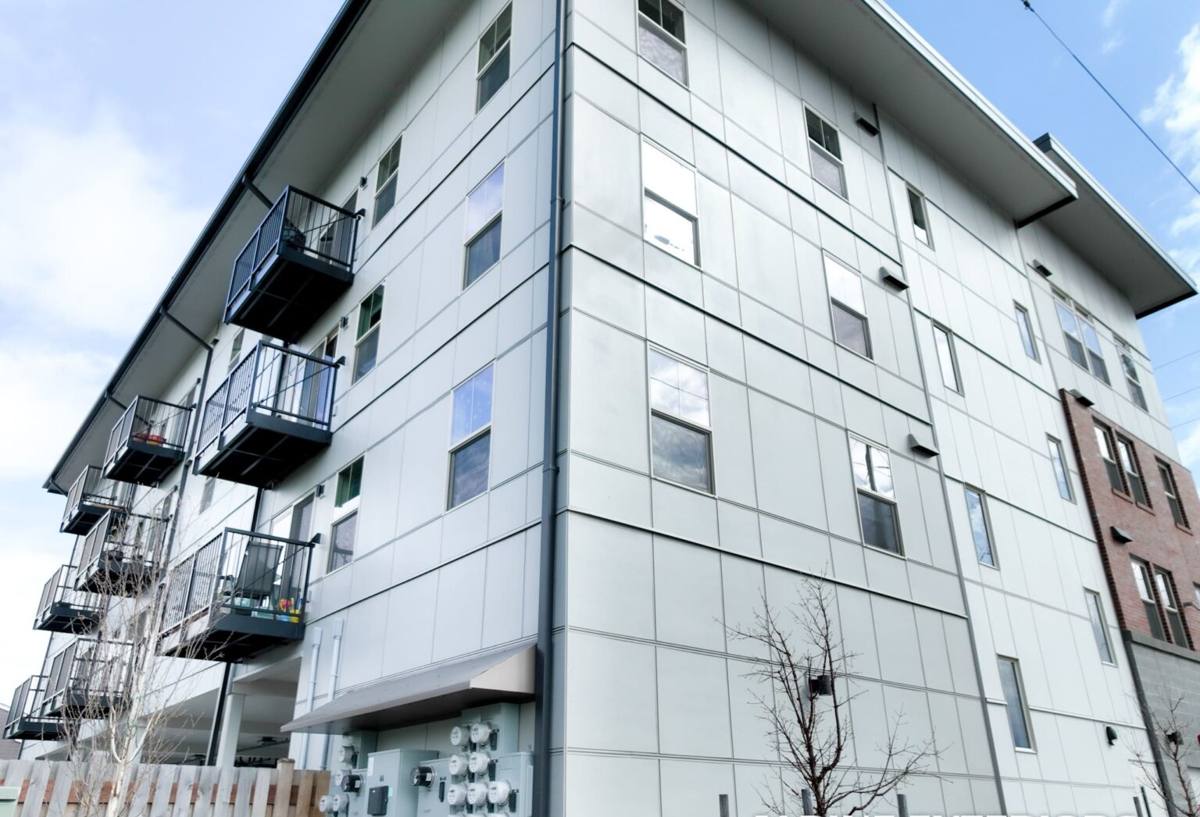
Kenneth City sits in the middle of Pinellas County, surrounded by St. Petersburg, and it gets the same coastal exposure as the rest of the peninsula even though it's not directly on the water. Homes here deal with intense year-round UV, wind-driven rain that finds every gap in a wall system, salt-laden air moving in off both Tampa Bay and the Gulf, and — a few times a year, in a bad season more than that — tropical storm or hurricane-force wind loads. Siding is the first layer standing between that environment and your home's structure, and in this climate it does not age gracefully if it was installed wrong, patched wrong, or left alone too long.
A siding repair call in Kenneth City is rarely just cosmetic. By the time a homeowner notices a problem, there's usually already water intrusion, a compromised fastening pattern, or a material that's reached the end of what it can take. This page walks through what actually causes siding damage here, what a correct repair looks like, and how we decide between repairing a section and recommending a fuller replacement.
What Wears Out Siding in This Part of Pinellas County
UV and Heat
Florida sun is relentless on painted and coated surfaces. Sun-facing walls fade and chalk faster than shaded ones, factory finishes degrade unevenly across a house, and some siding materials (particularly wood-based products) dry out, crack, and lose paint adhesion years before their north-facing counterparts do.
Wind-Driven Rain and Humidity
It's not just how much rain falls — it's how it arrives. Wind-driven rain gets pushed sideways and upward, past laps and joints that would keep out a normal vertical rainstorm. Combined with Florida's humidity, any point where water gets behind the siding tends to stay damp long enough for rot, mold, or substrate failure to set in before anyone sees a visible sign on the outside.
Salt Air
Even set back from the immediate coastline, Kenneth City gets salt-bearing air moving through the area. Salt accelerates corrosion on fasteners, trim flashing, and any exposed metal, and it can contribute to finish breakdown on lower-quality siding materials over time.
Hurricane and Tropical Storm Wind
Wind load is what actually rips siding off a wall, not just wears it down. Panels or planks that were under-fastened, fastened into rotted substrate, or installed with the wrong nailing pattern for a coastal wind zone are the ones that fail first when a storm comes through — sometimes gradually, as pieces work loose over several storm seasons, and sometimes all at once.
Signs a Kenneth City Home Needs a Siding Repair
Some of these show up gradually, and homeowners often assume they're purely cosmetic. In this climate, most of them mean moisture or fastening problems are already underway underneath.
- Visible cracking, splitting, or buckling in individual boards or panels
- Soft or spongy spots when you press on the siding, especially near the bottom courses
- Paint or finish peeling in patches rather than fading evenly
- Gaps opening up at butt joints, corners, or around window and door trim
- Nail heads popping out or rust streaks bleeding down from fasteners
- Sections that look slightly warped, bowed, or no longer flush with the wall
- Rising utility bills or a noticeably warmer/cooler room on one side of the house
- Visible daylight or drafts around penetrations like hose bibs, dryer vents, or electrical boxes
What a Correct Siding Repair Actually Involves
Diagnosing the Real Cause, Not Just the Symptom
A cracked board is a symptom. The cause might be a missing kickout flashing above a lower roofline, a failed sealant joint that's been letting water in for two years, or a fastening pattern that was never adequate for this wind zone in the first place. Replacing the visible damage without fixing what caused it just buys a homeowner a second repair call in a year or two — a shortcut we don't take.
Matching Material and Finish
Repairing a section of siding without matching the profile, reveal, and finish of the surrounding wall leaves a visible patch — and on a factory-finished product, matching an aged color exactly from a can of touch-up paint is close to impossible. Correct repair work accounts for this up front, including when a full elevation re-side makes more visual and practical sense than a patch.
Flashing, Fasteners, and Code
Any competent repair re-establishes the water management behind the siding — proper flashing at penetrations, correct lap sequencing, and fasteners rated and placed to hold in coastal wind conditions — not just fasteners that hold the piece up until the next storm.
Repair or Replace? How We Decide
Not every damaged section needs a full re-side, and not every homeowner needs to hear "replace it all" from a contractor with an incentive to sell the bigger job. We look at the extent of damage, the age and condition of the rest of the siding, and whether the underlying cause is isolated or systemic.
| Situation | Usually Means |
|---|---|
| Isolated impact damage (one or two boards, storm debris) on otherwise sound siding | Targeted repair, color-matched where possible |
| Localized rot or moisture damage traced to one flashing or sealant failure | Repair the section plus fix the root cause (flashing, sealant, drainage) |
| Damage clustered around several penetrations or a whole elevation | Section replacement on that wall, matched or re-finished |
| Widespread cracking, fading, or fastener failure across the whole house | Full re-side is usually more cost-effective than repeated repairs |
| Original material is a discontinued or incompatible product | Replacement, since matching profile/finish isn't realistic |
Why We Repair With — and Recommend — James Hardie Fiber Cement
We install and repair with James Hardie fiber cement exclusively. We don't work in vinyl, LP SmartSide, Cemplank, Allura, or primed wood species like spruce or cedar, and that standard applies to repair work as much as new installations. Fiber cement doesn't warp, rot, or attract pests the way wood-based sidings can in humid climates, and it's non-combustible. Hardie's HZ5 product line is engineered specifically for hot, humid coastal climates like ours, which matters both for new sections we install and for how we advise homeowners repairing an existing Hardie exterior.
Hardie's ColorPlus factory finish is also part of why repair work on an existing Hardie home tends to go better than repair work on painted wood or vinyl — the finish is baked on at the factory under controlled conditions, so a well-maintained Hardie exterior holds its color more evenly over time, which makes future color matching for any repair section more realistic than it is with field-painted materials.
Our Siding Repair Process
- Inspection: We look at the damaged area and the surrounding wall assembly, not just the visible complaint.
- Root-cause diagnosis: We identify whether moisture, wind, fastening, or age is driving the damage.
- Honest recommendation: We tell you plainly whether a repair, a section replacement, or a fuller re-side makes sense — and why.
- Scope and estimate: A clear, written scope so you know exactly what's being done and why.
- Repair execution: Correct flashing, fastening, and material matching, done to manufacturer spec.
- Cleanup and walkthrough: We leave the site clean and walk the repair with you before we consider the job done.
Why Hiring a Crew That Already Works Kenneth City Matters
Kenneth City is a small footprint surrounded by St. Petersburg, and homes here share a lot of the same construction era, wind exposure, and permitting path as the surrounding city and Pinellas County generally. A crew that already does repair work in this specific area knows what tends to fail first on homes like these, understands the local permitting and inspection process for exterior work, and can get to a job faster because they're not driving in from across the bay. That local familiarity shortens the distance between "something looks off" and "it's fixed correctly," which matters most right before storm season, not after.
Keeping Repaired Siding Lasting in This Climate
A correct repair is only half the equation — a little attention afterward keeps it from becoming a repeat call.
- Rinse salt residue and grime off siding periodically, especially on walls facing prevailing wind
- Keep sprinklers and irrigation from hitting siding directly and constantly
- Re-caulk sealant joints at trim and penetrations before they visibly fail, not after
- Trim vegetation back from walls so it can't hold moisture against the siding
- Have siding checked after any major named storm, even if nothing looks obviously wrong
- Address small issues — a popped nail, a hairline crack — while they're still small
If you're seeing any of these signs on a Kenneth City home, or you just want an honest read on whether you're looking at a repair or something bigger, we're happy to come take a look. Fill out the form below for a free, no-pressure estimate.