 St. Petersburg
 Why Metal Roofing Makes Sense in Kenneth City
Kenneth City sits inside the St. Petersburg area of Pinellas County, and it takes the same weather beating as the rest of the peninsula: hurricane-force winds that test every roof on the block at once, wind-driven rain that gets pushed sideways and upward into laps and seams that were only ever designed to shed water falling straight down, intense UV that runs nearly year-round instead of easing off for a few months, and salt-laden air that keeps working on exposed metal whether or not a storm is in the forecast. A correctly specified and installed metal roof holds up to that combination better than most alternatives available today. But "metal roofing" is a broad category that covers a wide range of panel types, gauges, fastening systems, and finishes, and the gap between a roof that was specified for this climate and one that wasn't shows up fastest in exactly the conditions Kenneth City sees on a regular basis.
This page covers what a correct metal roof looks like on a Kenneth City home specifically — the system choices that matter here, the installation details that separate a roof that performs for decades from one that develops problems early, and how our process works from the first inspection to the final walkthrough.
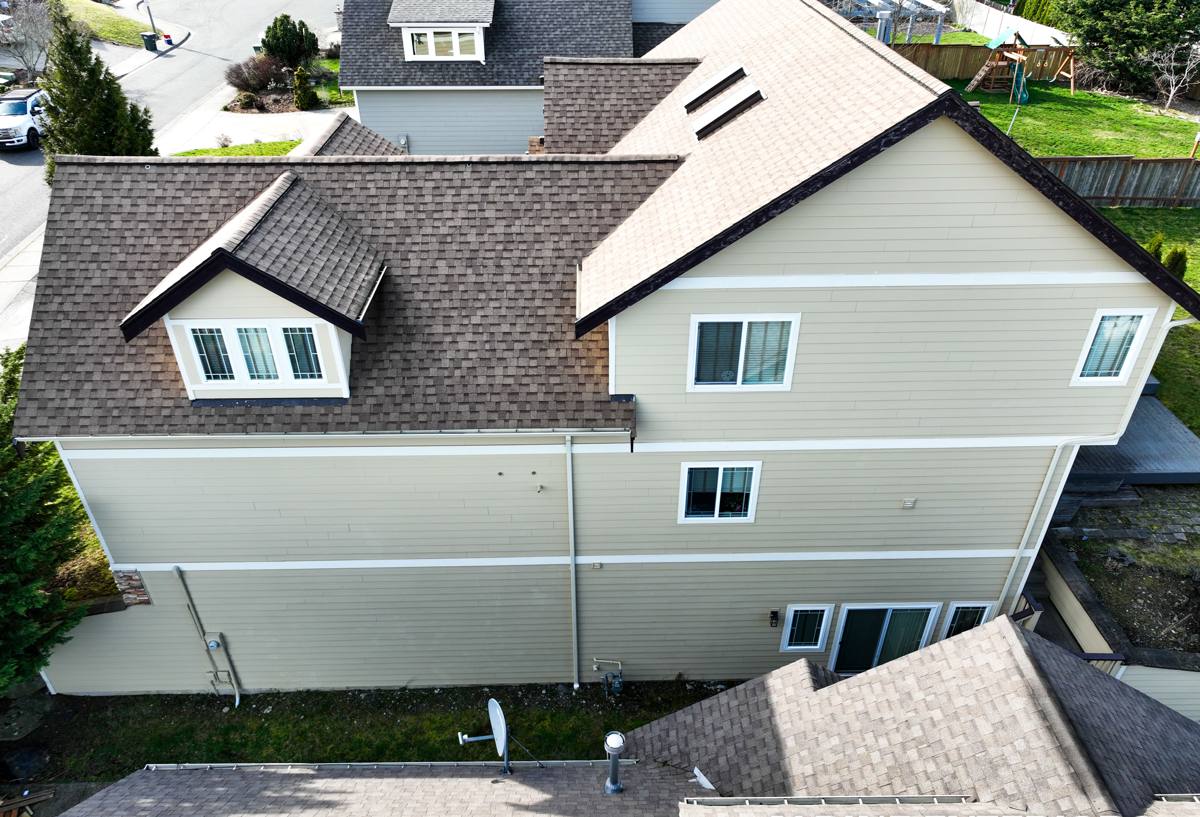
What Kenneth City's Climate Actually Demands From a Roof
A metal roofing system that would hold up fine in a drier, calmer inland climate can fall short here if it wasn't specified with local conditions in mind. A few things matter more for a Kenneth City roof than they would somewhere further from the coast.
- A wind uplift rating matched to the local design wind speed: panels, clips, and fasteners all need to be tested and rated as a system, not just individually, since uplift failure almost always starts at an undersized clip or fastening pattern rather than the panel itself.
- Corrosion-resistant fasteners and flashing metal: salt air moving through the area accelerates corrosion on lower-grade metal continuously, not just during storms, which is why fastener and flashing material selection matters as much as the roof panel itself.
- A fastening approach that stays tight through repeated wind and thermal cycling: metal panels expand and contract with heat, and a system that doesn't account for that movement loses fastener grip and seal integrity faster over time.
- A UV-stable finish: nearly year-round direct sun chalks and fades a low-grade paint system faster here than in a milder climate, which affects both appearance and the coating's ability to protect the metal underneath.
What a Correct Metal Roof Installation Involves
A metal roof replacement isn't just panels going down over what's there. A correct job treats the roof as a full system, from the deck up.
Deck Inspection and Tear-Off
A full tear-off to the decking is the only reliable way to find hidden moisture damage or soft spots that developed under the old roofing, often invisible from inside the attic until they're advanced. Any damaged decking gets replaced before new roofing goes down, since metal roofing installed over a compromised deck inherits that problem immediately.
Underlayment
A high-temperature, self-adhered or synthetic underlayment goes down as a secondary water barrier under the metal panels. This matters directly in a climate where wind-driven rain gets forced under laps and seams rather than simply running off, and where summer roof surface temperatures can be high enough to break down a lower-grade underlayment faster than it would age in a cooler climate.
Panel and Fastening System
Panel gauge, material, and fastening method are chosen based on the roof's exposure, pitch, and the homeowner's budget and expectations — not a single default. Concealed-fastener standing seam panels and exposed-fastener screw-down panels are both legitimate systems, but they behave differently over time, which is covered in more detail below.
Flashing and Penetrations
Most metal roof leaks trace back to flashing and penetration details, not the open field of the roof. Valleys, wall transitions, pipe boots, and any roof penetration need flashing that's properly lapped and integrated with the underlayment in the correct sequence, not caulked over as a shortcut.
Edge, Eave, and Ridge Detailing
Drip edge, eave, and ridge details are where wind uplift forces concentrate hardest during a storm. Correctly fastened edge metal and ridge closures keep wind from getting a starting point to lift panels, which is a common failure mode on roofs where this detailing was rushed.
Comparing Metal Roofing Systems for a Kenneth City Home
| System | Typical Lifespan | Fit for Kenneth City Conditions |
|---|---|---|
| Standing Seam (Concealed Fastener) | 40-70 years | No exposed fastener penetrations through the panel face; handles thermal movement and wind uplift best of the common options |
| Exposed-Fastener Screw-Down Panel | 25-40 years | Lower upfront cost, but rubber washer seals at each fastener degrade under UV and heat over time and need periodic inspection and re-torquing |
| Metal Shingle or Tile-Profile Panel | 30-50 years | Interlocking profile with a more traditional appearance; performance depends heavily on correct fastening and underlayment at each course |
For most Kenneth City homes, standing seam is our professional standard where budget allows, specifically because it has no exposed fasteners for salt air to work on and no washer seals that wear out on their own schedule. Exposed-fastener panels are a reasonable choice on a tighter budget or a secondary structure, as long as the homeowner understands they come with a maintenance commitment that standing seam doesn't.
Wind Rating and Product Approval in Florida
Every roofing product installed in Florida has to carry a valid Florida product approval number confirming it's been tested to the wind and water intrusion standards that apply here, and many metal roofing systems also carry Miami-Dade County Notice of Acceptance testing — a stricter wind and impact standard developed for the state's highest-wind-exposure areas. Kenneth City isn't in that highest-exposure zone, but a system that carries that level of testing is a useful signal of how the manufacturer engineered the product, not just how it's marketed.
What matters practically for a homeowner is that the roof gets permitted and installed as a complete rated system — panel, clips or fasteners, and underlayment together — matched to the wind speed the local building code requires for this area. A contractor pulling a permit and inspecting to that standard is doing more for your roof's actual storm performance than any single spec sheet number in isolation.
Cost Factors Worth Understanding
Metal roofing bids on the same house can vary substantially, and the difference usually comes down to real scope differences rather than one contractor padding the price.
| Factor | What It Affects |
|---|---|
| Panel material and gauge | Corrosion resistance, denting resistance, and expected lifespan |
| Fastening system | Standing seam vs exposed-fastener changes both upfront cost and long-term maintenance needs |
| Tear-off vs recover | Whether hidden deck damage gets found and addressed before new roofing goes on |
| Underlayment grade | How well the roof resists wind-driven rain intrusion and heat aging |
| Roof complexity and penetrations | Number of valleys, wall transitions, and penetrations that need custom flashing work |
| Finish and coating system | Fade and chalk resistance under near year-round Florida UV exposure |
A detailed written estimate that breaks out these components tells you far more than a single lump-sum number. It's worth asking any contractor to walk through what's actually included before comparing bids side by side.
How Our Process Works
We keep the process straightforward because homeowners deserve to know what's happening at every stage of a job this size.
- In-person inspection: We walk the roof and attic in person, not from a photo or a drive-by estimate, and document the actual condition of the deck and existing roofing.
- Written estimate: You get a clear, itemized bid covering tear-off, underlayment, panel system, flashing, and cleanup — not a vague single-line price.
- Permitting: We pull the required permit and install to the wind-rated system specification the job calls for, rather than treating the permit as an afterthought.
- Tear-off and deck repair: Old roofing comes off completely, and any deck damage found gets addressed before anything new goes down.
- Underlayment, panel, and flashing installation: Each layer goes on to manufacturer and code specification, with extra attention at valleys, penetrations, and edge details.
- Final walkthrough and cleanup: We review the finished roof with you and do a full site sweep before calling the job done.
Why Hiring a Crew That Already Works in Kenneth City Matters
A crew that regularly works roofs in and around Kenneth City has already seen how salt air corrodes underspecified fasteners over a few seasons, how wind-driven rain finds its way through a flashing detail that looked fine on installation day, and which roof orientations take the hardest wind loading in this part of Pinellas County. That's practical knowledge that shows up in the small decisions made throughout a job — decisions a crew without regular local experience might not think to make at all.
It also matters for accountability after the job is finished. A workmanship warranty is only as good as the company standing behind it, and a contractor with an established, ongoing presence in the St. Petersburg area is the one you can actually reach a few years later if a question comes up.
A Practical Checklist Before You Choose a Roofer
- Do they perform a full tear-off with a deck inspection, not just a recover over the old roof?
- Does the estimate specify panel type, gauge, and fastening system, not just "metal roof"?
- Is flashing work at valleys, walls, and penetrations explicitly included in the bid?
- Do they pull a permit and install to the wind-rated system specification the job requires?
- Do they carry current Florida contractor licensing, liability insurance, and workers' compensation?
- Can they point to actual local roofing work in or near the St. Petersburg area?
Signs Your Kenneth City Roof May Need Attention
Metal roofs generally give warning signs well before an actual leak develops, and catching them early is often the difference between a minor repair and a bigger problem.
- Rust streaking around fastener heads or at cut panel edges
- Loose, lifted, or vibrating panels, especially noticeable during wind
- Chalking, fading, or peeling on the panel finish
- Cracked or dried-out sealant at penetrations, pipe boots, or panel end laps
- Water staining on interior ceilings or in the attic near valleys or wall transitions
If you're noticing any of these on a Kenneth City roof, it's worth having it looked at before the next stretch of heavy weather rather than waiting for a leak to force the decision.
If you'd like an honest, no-pressure look at your Kenneth City home's roof and a written estimate to compare against anything else you've received, we're glad to come take a look. Use the form below to request a free estimate.