 St. Petersburg
 Siding on a Peninsula Isn't the Same Job as Siding Three Miles Inland
Pinellas Point sits out on a peninsula in south St. Petersburg, with water bordering the neighborhood on more than one side. That position is part of what makes the area desirable — the light, the water access, the open feel — and it's also exactly why siding here takes a harder beating than siding on a similar home a few miles inland. Homes closer to open water get more direct salt air, more wind load off the bay, and less buffering from surrounding structures and tree cover than a home tucked into a denser inland block. None of that means siding can't hold up out here. It means the material and the installation both have to be chosen with that exposure in mind, not treated the same as a job anywhere else in Pinellas County.
This page is about one thing: installing James Hardie fiber cement siding on Pinellas Point homes, what the neighborhood's exposure actually requires from that installation, and why a crew that already works this part of St. Petersburg does the job differently than one seeing the area for the first time.
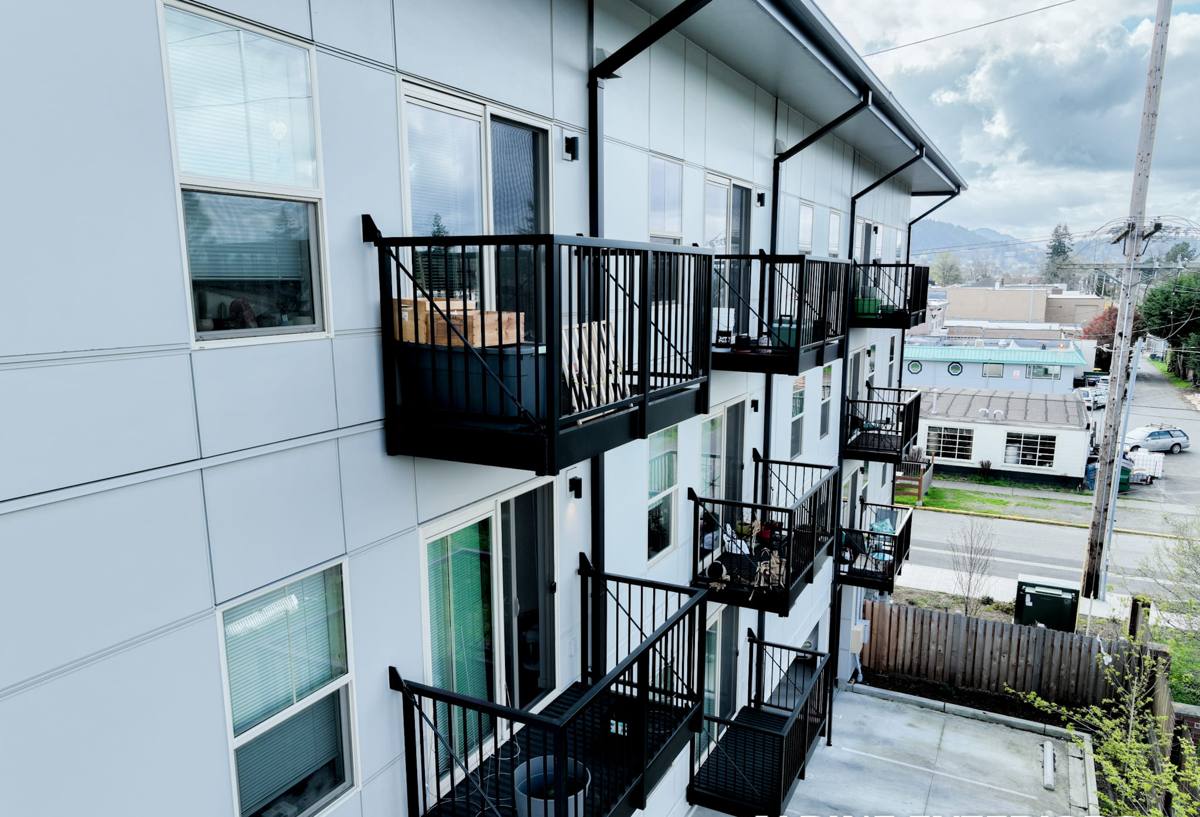
What Pinellas Point's Exposure Does to Siding Over Time
Four things do most of the damage to exterior siding here, and on a peninsula lot they don't take turns — they overlap for most of the year.
Hurricane-Force Wind
A peninsula location catches wind from more directions than a home shielded by neighboring lots on every side. During named storms, and even during routine seasonal squalls, that means more direct wind load on the walls and more pressure testing every seam, corner, and fastener line at once. Siding that's marginally installed tends to show its weak points here first, not last.
Wind-Driven Rain
Rain that comes in sideways doesn't behave like rain falling straight down. It gets pushed into laps, trim lines, and any gap in flashing that was only ever designed to shed water moving downward. Being close to open water on more than one side means Pinellas Point homes see this kind of rain event more often than properties set further back from the bay.
Salt Air
Salt-laden air moving off the water accelerates corrosion in fasteners, flashing, and any exposed metal trim, and it doesn't take a direct waterfront lot to feel it — a peninsula neighborhood picks up more ambient salt exposure across the board than an inland one does. A corroding fastener loses holding strength over time, which can open a small gap right where the siding is fastened to the wall, and that gap only gets worse with the next storm.
Intense, Nearly Year-Round UV
Florida's sun exposure runs strong for most of the calendar, not just in summer. UV breaks down caulk, chalks out unstabilized finishes, and speeds up the dry half of every wet-dry cycle a wall goes through. A finish that isn't engineered for this level of sun exposure fades and degrades faster here than it would in a milder climate.
Why We Install Only James Hardie Fiber Cement Here
We don't offer vinyl, LP SmartSide, Cemplank, Allura, primed spruce, or cedar on Pinellas Point jobs, and that's a deliberate standard, not a limited product list. Vinyl distorts under sustained heat and doesn't have the wind-load performance this exposure calls for. Engineered wood and solid wood products depend on an intact factory or field-applied coating to keep a wood-based core dry, and a peninsula climate gives that coating less recovery time between wet and dry cycles than an inland location would. Fiber cement as a category solves that core problem because it isn't wood-based or vinyl-based to begin with, and we standardized on James Hardie specifically because of how it engineers for regional climate and backs its finish.
The HZ10 Product Line
James Hardie builds different product lines for different climate zones, and HZ10 is engineered specifically for hot, humid, high-UV regions like the Gulf Coast rather than for a generic national spec. That's a real distinction, not a marketing label — it affects how the board's core and finish are formulated to hold up against exactly the kind of sun and moisture exposure Pinellas Point sees for most of the year.
The ColorPlus Factory Finish
Instead of relying on paint applied on site, ColorPlus finish is baked on in multiple coats under controlled factory conditions before the boards ever reach the job. It's backed by its own finish warranty, separate from the substrate warranty, and it's built to resist fading and hold color consistency under salt air and intense UV better than a field-applied coat typically does. On a peninsula home taking direct sun for most of the day, that difference shows up over years, not weeks.
What a Correct Installation Involves on a Pinellas Point Home
James Hardie's reputation depends heavily on installation quality, and on an exposed peninsula lot that's not a minor detail — it's the difference between siding that performs for decades and siding that starts showing problems within a few storm seasons.
| Installation Detail | Why It Matters on This Peninsula |
|---|---|
| Corrosion-resistant fasteners, correct type and spacing | Salt air moving off water on multiple sides accelerates corrosion on standard hardware faster than it would inland |
| Flashing at windows, doors, and every penetration | Wind-driven rain off the bay tests every seam at once during a storm; marginal flashing shows up as a leak, not a cosmetic issue |
| Manufacturer-specified clearances at grade, roofline, and deck | Keeps splash-back and standing moisture off the board edge in a climate with little dry-out time between rain events |
| Factory-cut edges used wherever possible; field cuts sealed per spec | Preserves the ColorPlus finish's protection at every cut, which matters more under near-constant UV |
| Rain screen or drainage plane behind the siding | Lets incidental moisture drain and dry rather than sit against the wall through a long, humid season |
| Wind-load-rated fastening pattern for the property's exposure category | A peninsula lot with open exposure on more than one side often warrants tighter fastening than a sheltered inland lot |
We send certified installers to every job rather than treating fiber cement as an interchangeable swap for whatever a crew is used to hanging. A material engineered for this climate can still underperform if the details around it are wrong, and on an exposed lot those details get tested sooner than they would elsewhere.
Our Process for a Pinellas Point Siding Project
- On-site assessment — we look at the property's specific exposure, note prior storm or moisture damage, and check the condition of the sheathing and water-resistive barrier underneath the existing siding.
- Honest scope and product recommendation — which James Hardie profile and HZ10 configuration fits the home, explained with the reasoning behind it.
- Written estimate — a clear breakdown of material, labor, and any repair work the assessment turned up, before anything is ordered.
- Removal and prep — old siding comes off, and any hidden rot, corroded fasteners, or compromised flashing gets addressed before new material goes up.
- Installation — Hardie boards installed to manufacturer spec, with fastening, flashing, and clearances set for this neighborhood's wind and moisture exposure specifically.
- Final walkthrough — we go over the finished job with you directly, including what routine maintenance, if any, to expect going forward.
Cost Factors on a Peninsula Property
We won't quote a number without seeing the house, but a few factors move price on Pinellas Point jobs more consistently than on a typical inland property.
| Factor | Why It Moves the Price |
|---|---|
| Exposure category of the specific lot | Open water on multiple sides can call for a tighter fastening pattern or added flashing detail than a sheltered lot |
| Condition of the sheathing underneath | Salt air and wind-driven rain over time sometimes mean repair work gets found once the old siding comes off |
| Fastener and flashing spec | Corrosion-resistant hardware suited to a coastal peninsula costs more than a standard inland spec |
| Trim and architectural detail | Waterfront and canal-facing elevations often carry more trim and window openings than an interior-facing wall |
| Access | Seawall lots, docks, and tight side yards common on the peninsula can affect staging and labor time |
Material and installation cost for James Hardie is typically higher upfront than vinyl, largely reflecting the heavier board and the additional labor a correct install requires. Maintenance cost over the life of the siding tends to run lower than wood or engineered wood, since there's no repainting or recaulking schedule tied to keeping a wood-based core sealed.
Why Hiring a Crew That Already Works Pinellas Point Matters
Manufacturer installation guides are written for average conditions, not for a specific peninsula lot with water on more than one side. A crew that's already worked this neighborhood knows which lots take the most direct wind, where salt exposure tends to hit hardware hardest, and which flashing details are worth the extra time even when a generic spec sheet would call them optional. That's the kind of judgment that doesn't show up in a sales pitch, but it shows up ten years later in whether the siding is still doing its job.
It also matters for logistics that are easy to overlook from outside the neighborhood — narrow side-yard access on some lots, seawall and dock staging considerations on waterfront properties, and scheduling around the practical realities of working close to open water. None of that is complicated, but it's the difference between a crew that plans for it and one that's figuring it out on the day of the job.
Before You Hire Anyone for a Pinellas Point Siding Job
- Confirm current Florida contractor licensing and liability insurance, and ask to see it, not just hear about it
- Ask whether the crew is manufacturer-certified for James Hardie installation specifically, not siding installation in general
- Ask what fastener and flashing spec they use for peninsula or waterfront exposure versus an inland job
- Ask what the warranty covers, whether it's prorated, and whether it transfers if you sell the home
- Ask how they handle hidden sheathing or framing damage found once the old siding is off
- Ask for a written estimate that breaks out material, labor, and any repair contingency, not a single lump number
Get a Free, No-Pressure Estimate
If you're planning a re-side, replacing storm-damaged siding, or just want a straight assessment of what your Pinellas Point home's exposure actually calls for, we're glad to take a look and walk you through what we'd recommend and why. Reach out using the form below to schedule a free estimate — no pressure, no upsell script.
```