 St. Petersburg
 Windows in Old Southeast Have to Work Harder Than Most
Old Southeast is one of St. Petersburg's older residential neighborhoods, and the housing stock reflects it — bungalows, Mediterranean and Colonial Revival-influenced homes, and mid-century construction with original or long-since-replaced window openings that were never built to today's wind and water standards. Add in the neighborhood's proximity to Tampa Bay and the open water exposure that comes with it, and you have a combination that ages windows faster than almost anywhere else in Pinellas County.
A window replacement here isn't just a cosmetic upgrade. Done right, it's a structural and moisture-management decision that affects how the house performs in the next tropical storm, the next humid August, and the next decade of salt-laden sea breeze. Done wrong — wrong product, wrong install, wrong flashing detail — it becomes the reason water gets into a wall cavity that's already dealing with 60-100 year old framing.
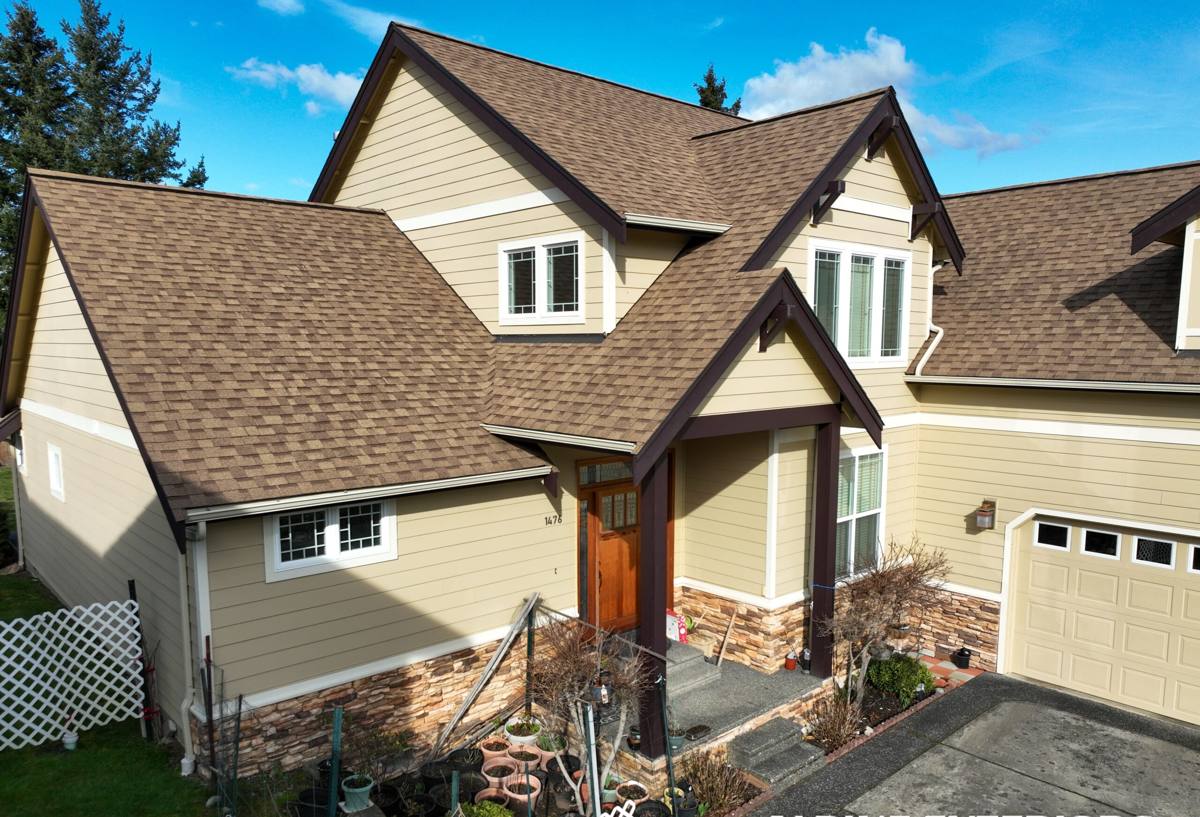
What the Local Climate Actually Does to a Window
Every coastal Pinellas neighborhood deals with heat and storms, but a few specific stressors show up again and again in Old Southeast homes:
Wind-Driven Rain and Hurricane-Force Gusts
St. Petersburg sits in a wind-borne debris region under the Florida Building Code, which means window and door assemblies along this part of the Gulf Coast have to meet minimum wind load and impact standards — not just survive a storm, but keep wind-driven rain from forcing its way past the frame during one. Older single-pane or aluminum-frame windows, common in homes from this era, were never engineered for that and often leak around the frame long before the glass itself fails.
Salt Air and Corrosion
Being close to the bay means airborne salt settles on everything, including window hardware, fasteners, and frame components. Untreated steel hardware and lower-grade aluminum corrode faster here than a few miles inland. It shows up as pitted locks, stiff cranks, and frames that no longer seal because the hardware holding them tight has degraded.
Year-Round UV Exposure
Florida sun is intense and constant, not seasonal. UV breaks down window seals, vinyl glazing beads, and low-quality frame finishes over years of exposure, and it's the reason a window that looked fine five years ago can suddenly show cracked glazing, discoloration, or a failed seal between the panes (visible as fogging or condensation trapped inside the glass unit).
Humidity and Wood Rot
Many Old Southeast homes still have original wood-frame window openings, even where the sash itself has been updated over the years. Florida humidity, combined with any gap or leak at the frame, accelerates wood rot in the surrounding sill and jamb — often hidden behind trim until a replacement project uncovers it.
What a Correct Window Replacement Involves
Replacing a window in an older Old Southeast home is a different job than a straightforward swap in new construction. A few things have to happen in the right order for the result to actually hold up.
Assessing the Existing Opening, Not Just the Window
Before anything gets ordered, the opening itself needs to be checked — is the framing square, is there rot in the sill or jamb, is the opening even still the size it was originally built to. Older homes settle, and openings shift out of square over decades. Measuring the glass without checking the structure behind it is how you end up with a window that fits the hole but doesn't seal against it.
Matching Character Without Sacrificing Performance
Old Southeast homes have a visual identity — proportions, trim details, and sightlines that a stock big-box window doesn't always respect. A replacement that technically fits but looks wrong (wrong grid pattern, wrong frame profile, wrong sash proportions) stands out on a street where most homes still carry their original character. Matching that look while still upgrading to modern glass and hardware is a balance, not an afterthought.
Flashing and Water Management
This is the part that doesn't show up in a photo but matters most. Proper flashing integration between the new window and the existing wall assembly — sill pan, side flashing, and head flashing that actually directs water back out instead of into the wall cavity — is what determines whether the house stays dry during wind-driven rain. This step gets skipped more often than any other on lower-quality installs, because it takes real time and it's invisible once the trim goes back on.
Wind Load and Impact Compliance
Any new window installed in this area needs to carry the correct design pressure rating for the home's exposure and meet the applicable wind-borne debris protection requirement — either through impact-rated glass or an approved protective system. This isn't optional, and it's checked at permit and inspection.
Comparing Frame Materials for This Environment
Frame material matters more here than in a drier, inland climate. Here's how the common options hold up against Old Southeast's specific conditions:
| Frame Material | Salt Air / Corrosion | UV / Heat Resistance | Upfront Cost | Best Fit |
|---|---|---|---|---|
| Vinyl | Very good — won't corrode | Good with quality-grade UV inhibitors; lower grades can yellow or warp over time | Lowest | Budget-conscious replacements where matching historic profiles isn't the top priority |
| Aluminum | Fair — modern coatings help, but older or untreated aluminum pits and corrodes near the bay | Excellent — won't warp in heat | Moderate | Larger openings and modern additions, less common as a historic match |
| Fiberglass | Excellent — highly resistant to salt and moisture | Excellent — very stable in heat and sun | Higher | Homeowners wanting the lowest long-term maintenance in a coastal exposure |
| Wood / Wood-clad | Poor unless well-clad and maintained — vulnerable to rot near salt-humid air | Good on the interior; exterior cladding protects from UV | Highest | Strict historic-character matching where appearance is the priority and maintenance is accepted |
There's no single right answer — it depends on how much weight you put on historic appearance versus long-term maintenance. What matters is choosing with the trade-offs in mind rather than by price alone.
How the Process Works
- On-site assessment. We look at the actual condition of each opening — framing, sill, existing water damage — not just the glass.
- Measurement and product selection. Openings in older homes are rarely perfectly standard, so windows are measured and specified to the actual opening, with frame material and style discussed against your priorities (appearance, maintenance, budget).
- Permitting. Window replacement in St. Petersburg requires a permit, and the assembly has to meet current Florida Building Code wind load and impact requirements regardless of what was there before. We handle this step.
- Removal and opening prep. Old sashes and frames come out, and any rot or damage in the surrounding structure gets addressed before the new unit goes in — not covered up.
- Installation and flashing. The new window is set, shimmed level and square, and properly flashed and sealed to the wall assembly.
- Interior and exterior finish. Trim, caulking, and finish work are completed to match the home's existing look as closely as possible.
- Final inspection. The work is signed off to code before we consider the job done.
Permitting and Neighborhood Considerations
St. Petersburg requires permits for window replacement, and that requirement doesn't disappear because a home is older — if anything, inspectors pay closer attention to older openings where structural issues are more likely. Homes in recognized historic neighborhoods sometimes have additional guidance around exterior appearance from local neighborhood associations or design review processes. We don't assume every home falls under the same rules; part of our job is checking what actually applies to your specific address before work starts, rather than guessing.
Signs Your Windows Need Attention
- Visible fogging or moisture trapped between panes of double-glazed units
- Frames that feel soft, spongy, or show discoloration at the sill or corners
- Windows that are difficult to open, close, or lock — often a sign of warping or hardware corrosion
- Drafts or noticeable temperature difference near the window when it's closed
- Visible daylight or gaps around the frame from outside
- Chalky, faded, or cracked frame finish from prolonged UV exposure
- Water staining on interior trim or drywall below or beside a window after heavy rain
- Single-pane glass with no impact rating in a home that's never been updated for current wind code
Any one of these on its own might just need a repair. Several together, especially in a home that hasn't had windows updated in a long time, usually points to full replacement being the more cost-effective long-term call.
Why Local Experience in Old Southeast Matters
A crew that regularly works in this neighborhood already knows what to expect before they measure the first opening — the range of construction types along these streets, the kinds of framing issues that show up behind original openings, and what the permitting and inspection process actually looks like for this part of St. Petersburg. That familiarity cuts down on surprises mid-project and helps set realistic expectations up front, instead of discovering structural issues halfway through and improvising a fix.
It also means a straighter conversation about what your specific home needs versus what a generic sales pitch might push. Not every home needs the same frame material, the same glass package, or the same approach — and a contractor who's seen a wide range of Old Southeast homes is better positioned to tell you honestly what fits yours.
Get a Straight Answer for Your Home
If you're weighing whether it's time to replace windows on an Old Southeast home, we're happy to take a look and give you an honest read on condition, options, and realistic cost — no pressure, no sales script. Fill out the form below to schedule a free estimate.