 St. Petersburg
 Siding That Has to Work Twice as Hard in Old Southeast
Homes in Historic Old Southeast sit close enough to Tampa Bay that the exterior of the house is doing real work every single day, not just holding paint and looking presentable. Between hurricane season, relentless sun, and salt-laden air rolling off the water, siding here ages faster than it would in most inland parts of the country. When we talk about a siding installation in this neighborhood, we're not talking about a cosmetic upgrade — we're talking about the single largest piece of weatherproofing a home has, and it needs to be installed correctly the first time.
This page is specifically about installing new siding in Historic Old Southeast: what the climate demands, what a correct installation actually involves, and why the process matters as much as the product. If you're comparing materials in general, that's a separate conversation — here we're focused on getting the installation itself right for this part of St. Petersburg.
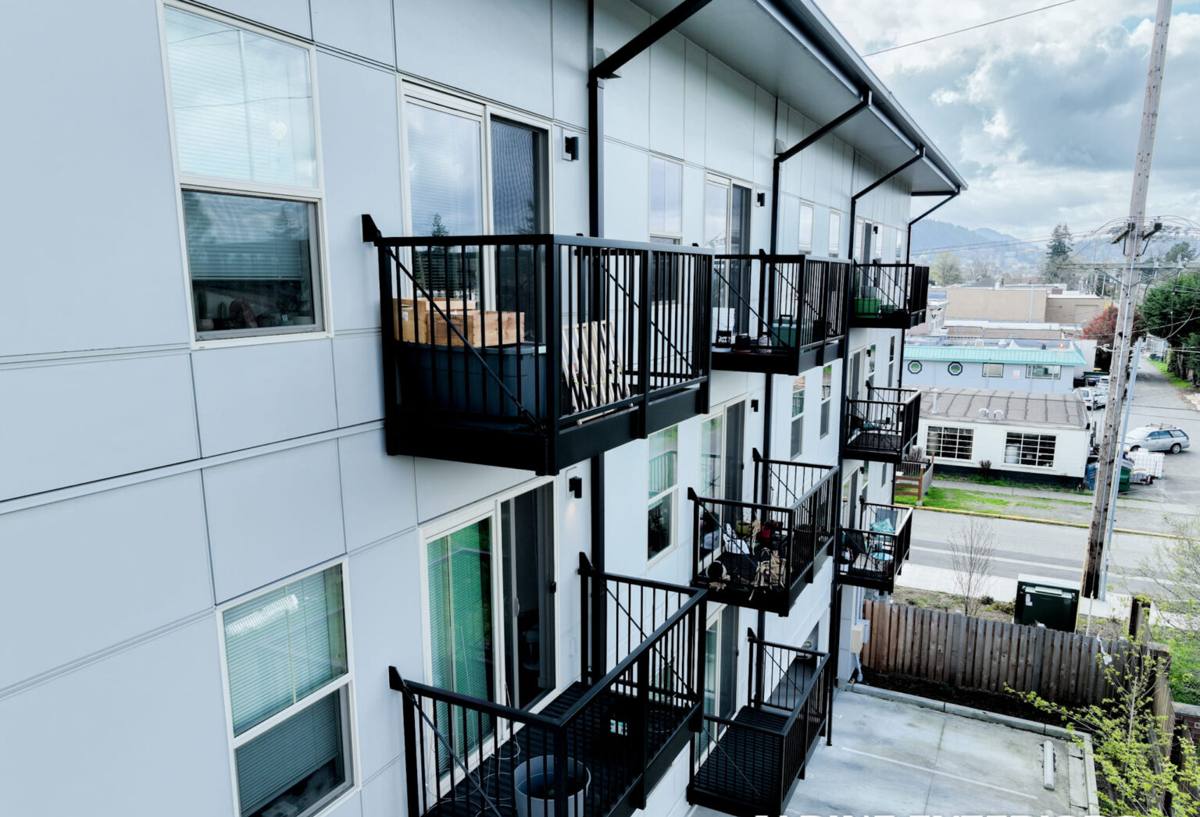
The Pinellas County Climate Your Siding Has to Survive
Hurricane-Force Wind
Pinellas County sits on a peninsula, and Old Southeast's proximity to open water means wind loads during tropical storms and hurricanes are not theoretical. Siding that isn't fastened to manufacturer spec, or that's installed with the wrong nailing pattern, can start lifting at the edges long before a storm reaches full strength. Once one panel or course starts to go, wind gets underneath the next one, and failures cascade quickly.
Intense, Year-Round UV
Florida sun is not seasonal the way it is up north. Siding on a St. Petersburg home is under UV load essentially twelve months a year, which is why cheaper paint systems chalk, fade, and crack far faster here than the same product would in a milder climate. The finish on your siding is doing constant work, not just decorative work.
Wind-Driven Rain
Afternoon storms in this part of Florida rarely fall straight down — wind pushes rain sideways and up under laps, trim, and penetrations. A siding system depends on correct overlap, flashing, and a functioning water-resistive barrier behind it to keep that moisture out of the wall assembly. Get the water management wrong and you won't see it for a year or two, until sheathing or framing starts to show damage from the inside out.
Salt Air
Being close to Tampa Bay means airborne salt is a constant, low-grade stressor on every exterior material and every metal fastener, flashing piece, and trim accessory on the house. Materials and hardware that aren't rated for coastal exposure corrode and degrade faster here than manufacturers' general specs would suggest for inland installations.
None of these four factors act alone — a home in Old Southeast is dealing with all of them at once, continuously. That combination is exactly why we treat every siding installation here as a system, not a stack of parts.
The Character of Old Southeast Homes and What It Means for Siding
Old Southeast is one of St. Petersburg's older residential neighborhoods, with a mix of bungalow, Craftsman, and early- to mid-century home styles that predate a lot of the county's newer construction. Older homes bring a few practical realities to a siding project that newer subdivisions usually don't:
- Original wall sheathing and framing may be decades old, and its condition often isn't known until the old siding comes off.
- Window and door openings, trim depth, and eave details were often built to older proportions, which affects how new siding profiles need to be trimmed and flashed.
- Some homes may fall within a designated historic district or be individually recognized, which can mean a design review process with the city before exterior materials are changed — this is worth confirming with St. Petersburg's planning staff before work begins if you're unsure of your home's status.
- Additions and prior remodels sometimes mean a single home has more than one wall assembly type hiding behind the existing siding.
None of this makes a siding installation harder in a bad way — it just means the job starts with a real inspection, not a drive-by estimate, and the crew needs to be comfortable adapting trim and flashing details to what's actually behind the old siding rather than assuming a generic new-construction wall.
What a Correct Siding Installation Actually Involves
Water Management Comes First
Before a single piece of siding goes up, the wall needs a continuous water-resistive barrier, properly lapped so water sheds downward and outward at every seam. Every penetration — hose bibs, electrical, vents, light fixtures — needs to be flashed so water is directed out, not funneled behind the siding. This step is invisible once the job is done, which is exactly why it's the step most likely to get shortcut by crews trying to move fast.
Fastening and Wind Resistance
Manufacturer fastening schedules exist for a reason, and in a coastal wind zone they're not a suggestion. Nail placement, spacing, and penetration depth all affect how well the siding holds under wind uplift. We fasten to the manufacturer's specified pattern for this exposure category, not a generalized national default.
Trim, Flashing, and Clearances
Correct installation also means maintaining proper clearance between the bottom edge of the siding and the ground, roofline, or any horizontal surface like a patio or driveway — too little clearance traps moisture against the material and shortens its life regardless of how good the siding itself is. Trim and caulking at joints need to be detailed to shed water outward, and any transition to a different material (stucco, brick, a chimney) needs its own flashing plan rather than a bead of caulk hoping to hold.
Why We Install Only James Hardie Fiber Cement
We standardized on James Hardie fiber cement siding and don't install vinyl, LP SmartSide, or unfinished wood siding, because the trade-offs of those products show up faster in a climate like ours. Here's an honest look at how the categories compare for a home in this environment:
| Factor | Vinyl Siding | Engineered Wood (LP/OSB-based) | James Hardie Fiber Cement |
|---|---|---|---|
| Wind performance | Can distort, crack, or blow off in high gusts; impact resistance is limited | Adequate when installed and maintained correctly | Engineered and tested for high-wind coastal exposure |
| Moisture behavior | Doesn't absorb water, but seams and fasteners are common failure points | Wood-based core is vulnerable to swelling and rot if moisture gets in | Fiber cement core resists moisture damage and won't rot |
| UV/fade resistance | Can fade and become brittle under sustained Florida sun | Factory finish varies; touch-up paint is common over time | ColorPlus factory finish is baked on and formulated for UV exposure |
| Fire behavior | Combustible plastic material | Wood-based, combustible | Non-combustible material |
| Salt air durability | Generally stable but seams and trim degrade over time | More sensitive to coastal moisture and humidity cycling | Formulated to hold up under coastal humidity and salt exposure |
None of this means vinyl or engineered wood are junk products — they work fine in a lot of climates and price points. It means that for a coastal Pinellas County home facing hurricane wind, year-round UV, wind-driven rain, and salt air all at once, we've made the professional call that James Hardie's fiber cement system, installed correctly, holds up better and longer, and we'd rather stand behind one product line we trust completely than offer several we have reservations about.
Our Process for a Siding Installation in Old Southeast
- On-site assessment. We look at the existing siding, sheathing condition where accessible, trim details, window and door flashing, and any moisture staining or soft spots before quoting anything.
- Scope and material plan. We spec the James Hardie product line, profile, and factory color that fits the home's style and this exposure, and confirm any local design review requirements if the property is in a historic district.
- Permitting. Siding replacement in the City of St. Petersburg generally requires a building permit; we handle that paperwork and inspection scheduling as part of the job.
- Tear-off and substrate check. Old siding comes off and the sheathing underneath gets inspected and repaired as needed before anything new goes up — this is the point where hidden issues from years of wind-driven rain usually surface.
- Water-resistive barrier and flashing. A continuous, correctly lapped barrier goes on first, with every penetration and transition flashed individually.
- Installation to manufacturer spec. Fastening pattern, clearances, and joint treatment follow James Hardie's published specifications for this wind and moisture exposure, not a generic shortcut.
- Trim, caulking, and final finish check. Every seam and transition is inspected for proper water shedding before we call the job complete.
- Final walkthrough. We walk the finished job with the homeowner and go over care and maintenance specific to a coastal property.
What Siding Installation Costs in Old Southeast
Every home is different, and we don't quote a number until we've actually looked at yours, but a few factors consistently move the price up or down:
| Cost Factor | Why It Matters |
|---|---|
| Home size and wall complexity | More square footage, corners, and gables mean more material and labor |
| Substrate condition | Rotted or damaged sheathing found during tear-off adds repair scope |
| Siding profile and finish | Lap width, board-and-batten, and shingle-style profiles vary in material and labor cost |
| Trim and detail work | Older homes with more window trim, eave detail, or transitions take more labor to flash correctly |
| Historic district review | Design review requirements, where they apply, can affect timeline more than cost |
| Access and site conditions | Tight lots, landscaping, or multi-story sections affect staging and labor time |
We'd rather give you a real number based on a real look at your home than a range that doesn't mean much either way. That's what the estimate visit is for.
Signs Your Current Siding Is Already Failing
A lot of siding problems on older Old Southeast homes aren't obvious from the curb. Before you decide whether replacement makes sense, it's worth checking for:
- Soft or spongy spots when you press on the siding, especially near the bottom courses
- Visible warping, buckling, or panels that have separated from the wall
- Paint that's peeling or bubbling in a pattern that follows seams or joints (a sign of trapped moisture, not just age)
- Increasing energy bills with no other explanation, which can point to a compromised water and air barrier
- Visible gaps at trim, corners, or window and door casings
- Siding that sits flush against the ground, a patio, or a roofline with no visible clearance gap
- Any musty smell or interior wall staining on an exterior wall
If you're seeing more than one of these, it's worth having someone look at the wall assembly itself, not just the surface material.
Why It Matters to Hire a Crew That Already Works This Neighborhood
A siding installation is only as good as the details nobody sees once it's finished — the flashing behind the trim, the fastener pattern under the lap, the clearance at the bottom course. A crew that already works Old Southeast has seen what this neighborhood's older wall assemblies actually look like once the old siding comes off, understands the permitting and any design review process with the city, and knows how St. Petersburg's specific combination of wind, sun, rain, and salt air actually wears on a house over years, not just what a manufacturer's data sheet says in general terms. That local pattern recognition is hard to substitute for, no matter how good a crew is on paper.
If you're weighing a siding installation for a home in Historic Old Southeast, we're happy to come take an honest look and walk you through what your specific home needs — no pressure, no hard sell. Use the form below to request a free estimate.