 St. Petersburg
 New Roof Installation Built for How Old Southeast Actually Weathers
Old Southeast is one of St. Petersburg's older, established neighborhoods, and that history shows up on the roofline. A lot of the housing stock here predates modern roofing codes, which means the roof over an Old Southeast home is often carrying decades of Florida weather on framing and decking that was never designed for today's wind and moisture standards. When it's time for a new roof, the goal isn't just to put fresh shingles or metal on top — it's to bring the whole system up to what a Pinellas County roof actually needs to survive.
That means designing for hurricane-force wind gusts, months of intense UV exposure, wind-driven rain that gets pushed sideways into laps and flashing, and the slow corrosive effect of salt air drifting in off Tampa Bay. Skip any one of those factors and you end up with a roof that looks fine at installation and fails early where it counts — at the fasteners, the flashing, and the underlayment.
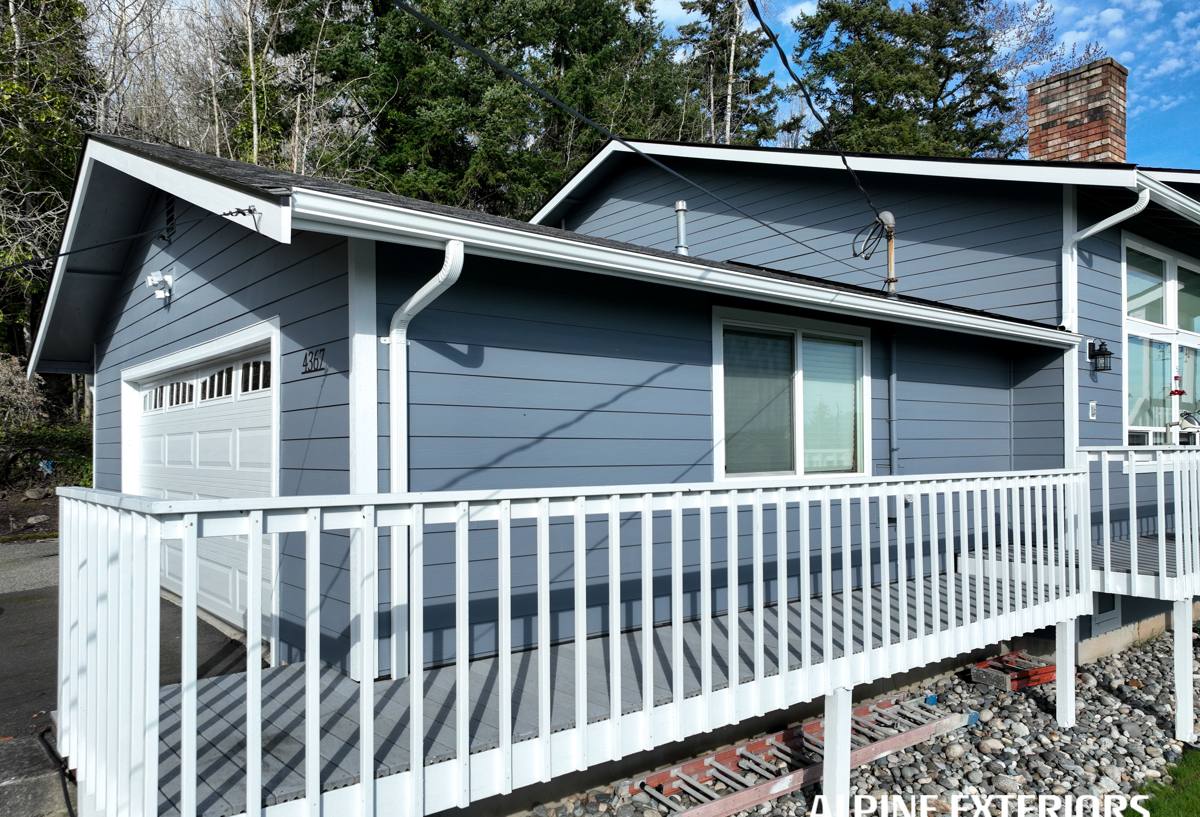
What Makes Roofing in This Neighborhood Different
Every neighborhood in St. Petersburg deals with the same climate, but not every neighborhood has the same roofs. Old Southeast's mix of older bungalows, Mediterranean revival homes, and mid-century houses means we regularly run into roof framing, pitches, and decking that don't match what you'd find on a newer build in a subdivision further inland.
Older Decking and Structural Quirks
Homes of this era were often built with wood plank decking rather than the plywood or OSB sheathing used today, or they've been re-decked at some point with materials that don't match the rest of the roof. Both situations change how a new roof system needs to be fastened and sealed, and both require the installer to actually look at what's underneath the existing roofing rather than assume a standard modern deck.
Tree Canopy and Roof Debris
Many streets in this part of St. Petersburg have mature tree canopy, which is part of the neighborhood's character but also means roofs deal with more organic debris, shade-related moisture retention, and limb impact during storms than a roof on an open, treeless lot. That affects material choice, gutter and valley design, and how often a roof should be checked between major inspections.
What a Correct New Roof Installation Actually Involves
A new roof is more than the visible layer. The parts nobody sees — decking, underlayment, flashing, and fastening pattern — are what determine whether the roof holds up in a Gulf Coast storm or comes apart at the edges.
- Full tear-off: removing the old roofing down to the deck so it can actually be inspected, not just re-covered.
- Deck inspection and repair: replacing any rotted, delaminated, or undersized decking before anything new goes down.
- Underlayment: a synthetic or self-adhering underlayment, with sealed laps and reinforced coverage at eaves, valleys, and penetrations where wind-driven rain pushes hardest.
- Flashing: new step, counter, and valley flashing at chimneys, walls, and roof transitions — old, corroded flashing is one of the most common causes of hidden leaks.
- Fastening pattern: nailing spaced and placed to meet current Florida Building Code wind requirements for this region, not just whatever pattern is fastest to install.
- Ventilation: a balanced intake and exhaust system so heat and moisture don't get trapped in the attic, which accelerates decking and shingle wear from the inside out.
- Drip edge and starter course: properly installed metal edging and starter strips, which are small details that make a large difference in wind resistance at the roof perimeter.
Choosing a Roofing Material for Coastal Pinellas County
There's no single "best" roofing material for every Old Southeast home — the right choice depends on the roof's pitch, the home's structure, your budget, and how long you plan to stay in the house. Here's how the main options compare for this climate.
| Material | Wind Performance | Heat/UV Behavior | Typical Lifespan | Considerations |
|---|---|---|---|---|
| Architectural asphalt shingle | Good, when installed to current wind-rated specs | Absorbs heat; lighter colors help reduce attic heat gain | 15–25 years in this climate | Most affordable upfront; widest style and color range |
| Standing seam metal | Excellent; performs well in high-wind testing | Reflects more heat than shingles; can lower attic temperatures | 30–50+ years | Higher upfront cost; fewer seams and fasteners mean fewer failure points |
| Concrete or clay tile | Very good when properly fastened, but individual tiles can crack from debris impact | Naturally heat-resistant; good thermal mass | 30–50+ years | Heavier — requires the framing to be checked and rated for the added load, which matters on older structures |
On older homes especially, weight matters. Before recommending tile, we confirm the existing framing can actually support it — retrofitting a heavier material onto structure that wasn't built for it isn't a shortcut we take.
Permits, Codes, and Insurance in St. Petersburg
New roof installations in the City of St. Petersburg require a building permit and inspection — this isn't optional paperwork, it's what confirms the work meets current Florida Building Code wind provisions for our area. An unpermitted roof can create real problems later, from insurance claim denials to complications when you go to sell the home.
After installation, most homeowners in Pinellas County also benefit from getting a wind mitigation inspection done, since a new roof installed to current code can qualify for meaningful homeowners insurance discounts. We provide the documentation needed to support that inspection.
One more thing worth checking early: if your property falls within a locally designated historic district, there may be additional design guidelines around visible materials or colors. We'd rather confirm that with you and the city before ordering materials than after.
Our Installation Process, Start to Finish
- Inspection and estimate: we get on the roof, check the decking and structure where accessible, and give you an honest assessment — not just a quote based on square footage.
- Material selection: we walk through the tradeoffs in the table above based on your roof, budget, and how long you're planning to stay in the home.
- Permitting: we pull the required City of St. Petersburg permit before work begins.
- Tear-off and deck repair: full removal of the old roofing, with any compromised decking replaced.
- Underlayment and flashing: installed to current wind and water-intrusion standards, with extra attention at valleys, walls, and penetrations.
- Final installation: shingles, metal, or tile installed to the fastening spec that matches our wind zone.
- Inspection and cleanup: we coordinate the city inspection and do a full site and yard cleanup, including a magnetic sweep for stray fasteners.
- Documentation: you receive paperwork for your manufacturer warranty and anything needed for a wind mitigation inspection.
Why Local Experience in Old Southeast Matters
A crew that regularly works this neighborhood already knows what to expect before they get on the roof — the likely deck material under an older bungalow, the tighter lot access some of these homes have, and how tree canopy affects staging and cleanup. That translates into fewer surprises mid-project and a more accurate estimate up front.
It also matters after the job is done. Storms don't check calendars, and having a contractor who already knows your roof and neighborhood means a faster, better-informed response if you ever need a post-storm inspection or repair.
Maintenance and Protecting Your Investment
A correctly installed roof still needs basic upkeep, especially under tree canopy. Keep gutters and valleys clear of leaves and debris, have the roof checked after any major storm, and don't ignore small issues like a lifted shingle edge or a stained ceiling — those are almost always cheaper to fix early than after they've spread into decking or interior damage. We stand behind our workmanship, and materials carry their own manufacturer warranty, which we'll go over in plain language before you sign anything.
Signs Your Old Southeast Home May Need a New Roof
- Roof is 20+ years old, or older if it's never been fully replaced
- Granule loss showing up in gutters or at the base of downspouts
- Shingles that are curling, cracking, or visibly lifting at the edges
- Ceiling stains, musty attic smell, or visible daylight through the roof deck
- Missing or displaced shingles after a wind event
- Soft or sagging spots when walking the roof or attic
- Neighboring homes of similar age already needing or getting new roofs
If you're seeing any of these on your Old Southeast home, it's worth getting an honest look before it turns into an interior repair. We offer free, no-pressure estimates — use the form below and we'll take a look at what your roof actually needs.