 St. Petersburg
 Windows in an Older St. Petersburg Neighborhood Aren't a Simple Swap
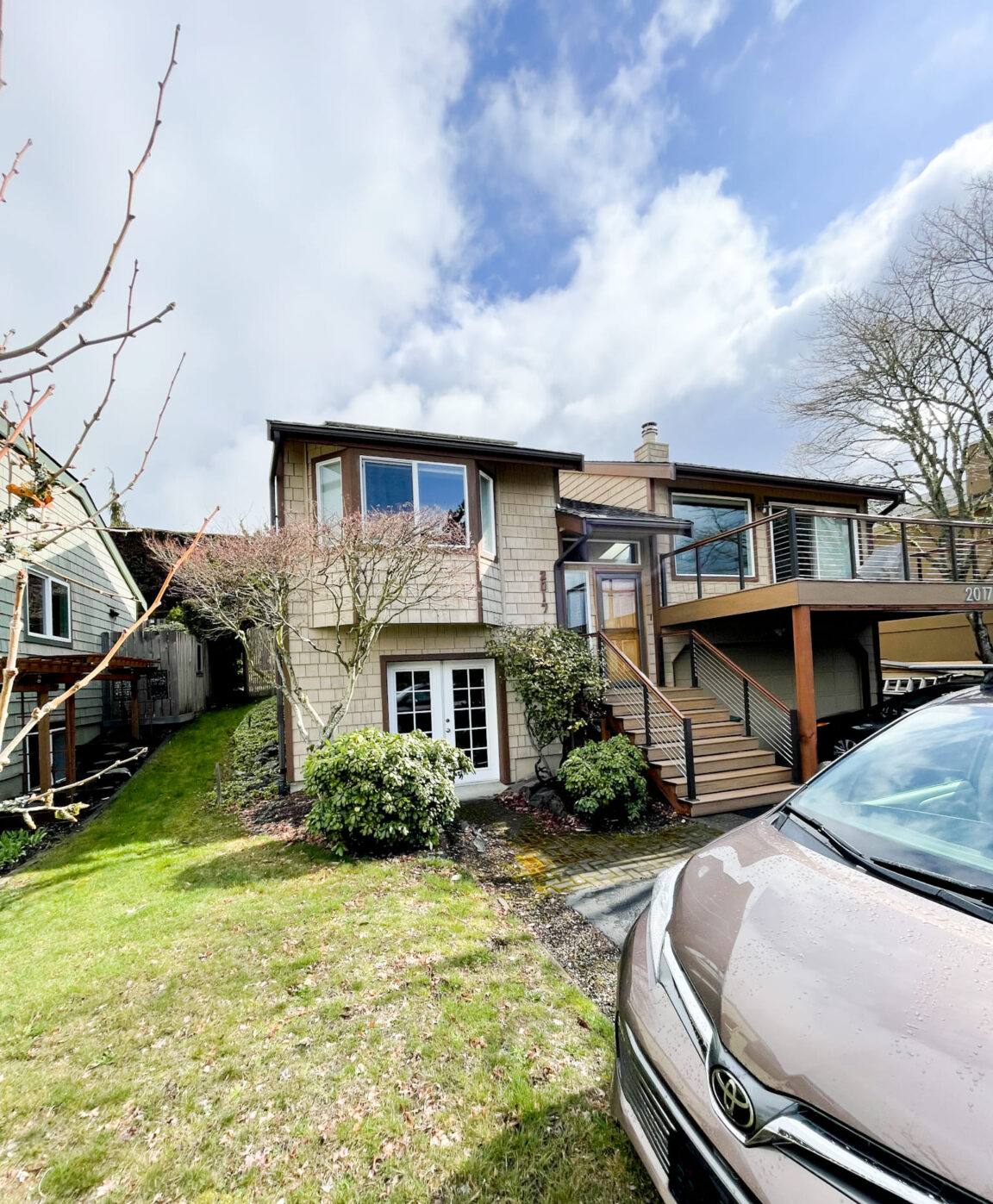
Historic Old Southeast is one of St. Petersburg's older residential pockets, with a mix of early-to-mid-century bungalows, Craftsman-style homes, and other pre-1960s construction. Houses like these were built with wood-frame single-pane windows, plaster or early drywall interiors, and wall assemblies that behave very differently from a house built in the last twenty years. When it's time to replace or custom-fit windows in a home like this, the job isn't just picking a size off a shelf. Original openings are often slightly out of square after decades of settling, trim profiles and sightlines were designed for a specific look, and in some cases there are historic district or neighborhood association guidelines about what a window replacement is allowed to look like from the street.
That's why "custom" matters here more than in a newer subdivision. Every opening on an older Old Southeast home may need to be measured and treated individually rather than assuming a uniform, repeatable size across the house. Getting this right protects both the home's character and its performance against Pinellas County's weather.
What St. Petersburg's Climate Actually Does to Windows
St. Petersburg sits on a peninsula in Pinellas County, which means every window on a home here is dealing with more than typical Florida heat. Four factors specifically shorten the life of the wrong window or the wrong installation:
- Hurricane-force wind: Storm systems moving through the Tampa Bay area put direct lateral pressure on glass and frames, and can drive debris into weak points around aging sashes.
- Intense, near-constant UV exposure: Florida's sun year-round degrades vinyl, breaks down old glazing putty, and fades or warps wood that isn't properly sealed and maintained.
- Wind-driven rain: Tropical storms and summer squalls don't just rain down — wind pushes water sideways and upward into gaps that would never leak in a calmer climate, which is often how older wood-frame windows develop hidden rot.
- Salt air: Being close to the water means airborne salt accelerates corrosion on hardware, screws, and lesser-grade metal components, even at homes not directly on the coast.
On an older Old Southeast home, these four forces compound each other. A single-pane wood window with decades-old glazing has likely already lost some of its weather seal, so wind-driven rain finds a way in, UV has dried out the surrounding putty and paint, and salt air has begun working on any exposed fasteners. By the time a homeowner notices fogging, soft wood, or a window that won't latch properly, the damage is usually further along than it looks from inside.
What a Correct Custom Window Job Involves
Individual Opening Assessment
On a historic or older home, no two openings should be assumed identical. We check each opening for square, for any settling or shifting in the surrounding framing, and for hidden moisture or wood damage before ordering a single unit. Skipping this step is one of the most common reasons replacement windows in older homes end up with gaps, air leaks, or a crooked reveal.
Matching the Home's Sightlines
Older homes were designed with specific proportions — sash height, muntin pattern (the grid dividing panes), and trim depth all contribute to how the house reads from the street. A correct custom job replicates or respectfully updates those proportions rather than dropping in a generic contractor-grade window that changes the home's face. This matters even more in a neighborhood with a strong sense of historic character, where a mismatched window is noticeable to neighbors and can affect resale appeal.
Proper Flashing and Sealing
Given how much wind-driven rain this area sees, flashing details around each new window are not optional extras — they're the actual barrier standing between a driving rainstorm and your wall cavity. This includes correctly lapped flashing tape, sealed nailing fins or frame edges, and sill pans that direct any intrusion back out rather than into the wall.
Wind Load and Impact Considerations
Homes in coastal Pinellas County fall under Florida Building Code wind-load requirements, and depending on the home's exact location and the county's current code cycle, that can mean impact-rated glass, protective shutters, or both. We verify what applies to your specific address and permit accordingly rather than guessing.
Custom Window Job Checklist
- Each opening individually measured and checked for square, not assumed uniform
- Existing wood, sill, and framing inspected for hidden rot or moisture damage
- Sightline, muntin pattern, and trim depth matched to the home's original design intent
- Sill pan and flashing installed to shed wind-driven rain, not just block still-air leaks
- Fasteners and hardware rated for salt-air exposure, not standard interior-grade hardware
- Wind-load / impact rating confirmed against current Florida Building Code for this address
- Any historic district or neighborhood guideline checked before ordering materials
- Interior and exterior trim finished to match existing paint lines and reveals
Frame Material Choices for an Older Home
There's no single "best" frame material for every historic-era home — the right choice depends on how much of the original character you want to preserve, your maintenance tolerance, and budget. Here's how the common options compare for a home like those in Old Southeast:
| Material | Historic Look Fit | Salt Air / UV Durability | Maintenance |
|---|---|---|---|
| Wood (restored or custom-milled) | Best match for original character | Needs regular paint/seal upkeep to resist UV and moisture | Highest — periodic repainting and sealing |
| Wood-clad (wood interior, metal/composite exterior) | Strong match, especially from inside | Exterior cladding resists UV and salt better than bare wood | Moderate |
| Fiberglass | Can be detailed to approximate historic profiles | Very stable in heat, UV, and salt air | Low |
| Vinyl (standard grade) | Weakest match to historic sightlines without custom detailing | Can soften or discolor under intense long-term UV if lower grade | Low |
We talk through this table with every Old Southeast homeowner in person, because the right answer really does depend on whether you're restoring a historic character home to look original, or prioritizing long-term low maintenance over an exact match.
Permitting and Historic Guidelines
Window replacement in St. Petersburg requires a permit through the city, and homes within recognized historic districts or under neighborhood association guidelines may have additional review before exterior changes — including window style, material, and even color — are approved. We handle the permit application and, where applicable, help prepare what's needed for historic or neighborhood review, so you're not navigating that process solo. Skipping this step isn't worth the risk: unpermitted window work can complicate a future sale or insurance claim.
Cost Factors to Expect
Every home is different, so we don't quote sight-unseen, but the main variables that move the price on a custom window project are consistent:
- Number of openings and whether sizes are standard or fully custom
- Frame material selected (wood, wood-clad, fiberglass, or vinyl)
- Impact-rated vs. standard glass, depending on wind-load requirements for your address
- Condition of existing framing — hidden rot repair adds labor beyond the window itself
- Trim and finish work needed to match existing interior and exterior details
Broadly, a straightforward standard-size replacement will cost less than a fully custom, historically matched unit with impact-rated glass and restoration-grade trim work. We'll walk through where your project falls on that range during the in-home estimate, with no pressure to upsize the scope.
Why the Crew Matters as Much as the Window
A window is only as good as its installation. On an older Old Southeast home, an installer unfamiliar with historic-era framing can rush the flashing, miss hidden rot, or install a technically fine window in a way that looks wrong on a house with strong architectural character. Working regularly in this neighborhood means we already know what to look for when we open up an old sash — where moisture tends to hide, how the original trim was typically detailed, and what Pinellas County's wind-load rules mean for a home in this specific area. That familiarity shows up in a tighter, longer-lasting install and a finished look that respects the home rather than fighting it.
We also stand behind the work with a clear warranty on both materials and installation labor, so if something isn't sealing right after a storm season, you're not on your own to sort it out.
Let's Look at Your Windows
If you're dealing with fogged glass, drafts, swollen wood, or you're simply ready to update windows on your Historic Old Southeast home the right way, we're happy to come take a look. The estimate is free, there's no pressure, and you'll get a straight answer about what your home actually needs — not a generic sales pitch. Fill out the form below and we'll get in touch to schedule a time.