 St. Petersburg
 Why Roofs in Historic Kenwood Wear on Their Own Timeline
Historic Kenwood is one of St. Petersburg's older residential neighborhoods, with a housing stock that skews toward early-1900s bungalow and Craftsman-style construction. That matters when it comes time to replace a roof. A roof built or last replaced decades ago on one of these homes isn't just old — it's often built to standards and using materials that predate current Florida Building Code wind requirements. When we look at a roof replacement in this neighborhood, we're not just swapping shingles. We're evaluating decking, ventilation, flashing, and structural attachment on a home that was likely never engineered for the wind loads Pinellas County now requires.
That doesn't mean these homes are fragile. Many have held up remarkably well. But it does mean a roof replacement here needs a contractor who actually understands what tends to be underneath the surface on a home of this age, rather than one who treats it like a standard tear-off on a 1990s subdivision house.
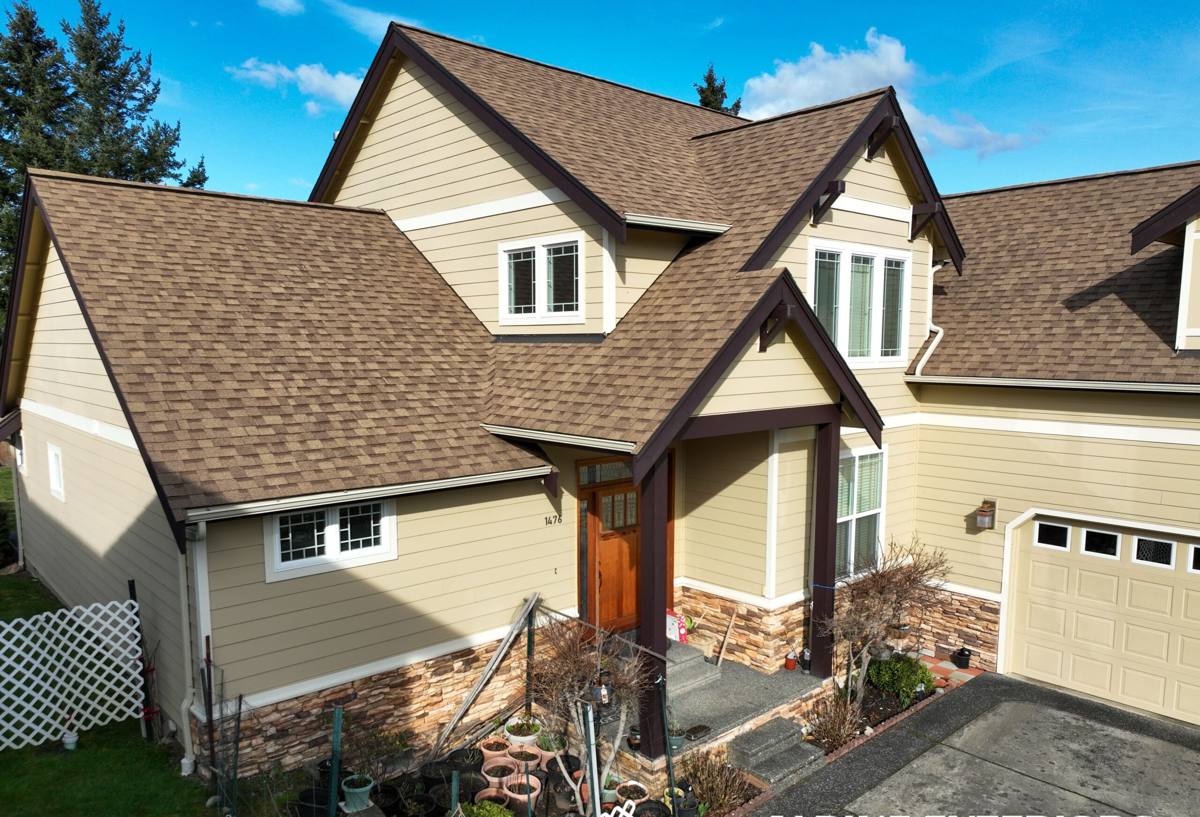
What a Correct Roof Replacement Involves on an Older Bungalow
Decking
Homes built before plywood sheathing became standard often have skip decking — individual boards spaced apart rather than a solid deck. Skip decking was fine for old-style wood shingles, but it doesn't give modern asphalt shingles or metal panels a continuous, properly fastened surface. A correct replacement identifies this early and either adds solid sheathing over the skip deck or replaces it outright, so every fastener actually bites into something solid.
Ventilation
Many older bungalows were built with little to no soffit or ridge ventilation, because the original roofing didn't need it the way modern systems do. Without adequate intake and exhaust airflow, attic heat and moisture build up, shingles cook from underneath, and roof decking can start to rot years before it should. Adding proper ventilation is often the single most overlooked step in a Kenwood reroof — and one of the most important for making the new roof actually last.
Flashing at Chimneys, Dormers, and Porch Rooflines
Bungalow architecture typically includes features that create more flashing work than a simple gable roof: masonry chimneys, dormers, and the low-slope porch roofs common on front-porch bungalows. Every one of these transitions is a place water can find its way in if the flashing and underlayment aren't done correctly. On lower-slope sections, that means self-adhered waterproofing membrane, not just standard felt, because standard felt isn't rated for low-slope water exposure.
Tear-Off: What's Usually Hiding Under the Old Roof
Once we start a tear-off on an older Kenwood home, a few things show up often enough that we plan for them rather than treat them as surprises:
- Multiple layers of old roofing material — Florida Building Code generally limits reroofing over existing layers, and older homes have frequently already used up that allowance.
- Older fastening methods, including staples instead of nails, which do not hold up to Florida wind events the way properly nailed shingles do.
- Deteriorated or missing underlayment in valleys and around penetrations, often invisible from the ground.
- Soft or rotted decking sections, usually near old plumbing vents, chimneys, or areas where prior ventilation was inadequate.
- Materials that may require testing before disposal, depending on the age and history of the roofing system.
None of this is unusual for a home of this era — it's simply what a tear-off on an older roof tends to reveal. What matters is having a crew that expects it, prices it honestly if it comes up, and doesn't just re-cover a problem to save time.
Pinellas County Climate: What This Roof Has to Survive
St. Petersburg sits in a part of Florida where the roof over a Kenwood bungalow has to deal with several stresses at once, year after year:
- Hurricane-force wind — every seasonal storm tests shingle fastening, ridge and hip attachment, and flashing at roof-to-wall transitions.
- Intense, near-constant UV exposure — Florida sun breaks down asphalt shingle oils and granules faster than it does in most of the country, shortening real-world service life even on quality shingles.
- Wind-driven rain — storms here don't just fall straight down; wind pushes water sideways under laps and around fasteners, which is why underlayment and flashing detail matters as much as the shingle itself.
- Salt air — being close to Tampa Bay, metal components (fasteners, flashing, vent stacks) corrode faster than they would further inland, which is why fastener and flashing material selection is not a minor detail here.
A roof replacement that ignores any one of these factors will look fine for a year or two and then start failing early — usually right around the next major storm season.
Choosing a Roofing Material That Fits an Older Neighborhood
There's no single "right" material for every Kenwood home — it depends on the roof's pitch, the home's architectural style, and the owner's budget and time horizon. Here's how the common options actually compare for this climate and this kind of housing stock:
| Material | Typical Lifespan | Wind Performance | Fit With Bungalow Character | Upkeep |
|---|---|---|---|---|
| Architectural (dimensional) asphalt shingles | 18–25 years | Good, when properly nailed and rated for the local wind requirement | Wide color range, blends well with historic-style homes | Low, periodic inspection |
| Standing seam metal | 35–50+ years | Excellent, especially for uplift resistance | Works on some bungalows, can look modern on others — depends on the home | Very low |
| Concrete or clay tile | 40–50+ years | Very good when correctly fastened, but heavier — requires structural check | Common on Spanish/Mediterranean-style Florida homes, less typical on Craftsman bungalows | Low, but repairs need tile-specific skill |
| 3-tab asphalt shingles | 12–18 years | Lower wind rating than architectural shingles | Fine visually, shorter service life in this climate | Moderate — earlier granule loss |
For most Historic Kenwood homes, architectural shingles remain the practical choice — they balance cost, wind performance, and appearance without requiring structural upgrades. Metal is a strong option for owners planning to stay long-term and wanting to minimize future reroofs. We'll walk through the real trade-offs for your specific roof rather than push one product across the board.
Permits, Codes, and Historic District Considerations
Roof replacement in St. Petersburg requires a permit and inspection, and the installed system has to meet current Florida Building Code wind-resistance requirements — regardless of what the home was originally built to. This is a good thing for homeowners: it means fastening patterns, underlayment, and attachment methods are held to a modern standard even on a hundred-year-old house.
If your home carries a historic designation, it's worth checking with the city's historic preservation office before finalizing material and color choices, since some designated properties have design review requirements that affect visible exterior changes. We can help you understand what applies to your specific address, but we'd rather point you to the right city resource than guess at rules that vary property to property.
Our Roof Replacement Process
- On-site inspection. We look at the roof from the ground and, where safely possible, up close — checking decking condition indicators, flashing points, ventilation, and the porch roofline separately from the main roof.
- Honest scope and estimate. You get a clear breakdown of what's included, what might be an added cost if decking issues turn up during tear-off, and why.
- Tear-off and deck inspection. Old material comes off down to the deck, and any soft or damaged sections get replaced before anything new goes down.
- Ventilation and flashing correction. If the roof lacks adequate intake/exhaust airflow or has outdated flashing details, we address it as part of the job, not as an upsell afterward.
- Underlayment and installation. Self-adhered membrane where the roof calls for it, proper nailing patterns for the wind rating, and correct detailing at every valley, chimney, and dormer.
- Final inspection and walkthrough. We review the completed roof with you and make sure city inspection requirements are satisfied.
Questions to Ask Before You Sign a Roofing Contract
A roof replacement is a significant investment, and it's worth vetting any contractor carefully — especially on an older home where hidden issues are more likely. Before signing anything, ask:
- Are you licensed and insured to work in Pinellas County, and can you provide proof?
- Will you inspect the decking before quoting a final price, or is deck repair handled as a change order?
- What ventilation will the new roof have, and does it match or improve on the current setup?
- What fastener and flashing materials will be used, given salt-air exposure this close to the bay?
- Who pulls the permit, and will the completed work pass city inspection under current wind code?
- What does the workmanship warranty cover, separate from the manufacturer's material warranty?
A contractor who answers these plainly, without dodging or over-promising, is generally one worth trusting with an older home.
Why Hiring a Crew That Already Works in Kenwood Matters
Every neighborhood has its own patterns — the kind of decking that shows up, the porch and dormer configurations, how prior roofers in the area tended to handle (or mishandle) ventilation and flashing. A crew that's already replaced roofs on other Kenwood homes isn't guessing at what they'll find when the tear-off starts. That translates into more accurate estimates upfront, fewer surprises mid-project, and a finished roof that's built for the specific combination of age, architecture, and coastal Pinellas County climate this neighborhood deals with every year.
If you're weighing a roof replacement on a Historic Kenwood home, we're happy to take a look and walk you through what your roof specifically needs — no pressure, no hard sell. Fill out the form below for a free estimate.