 St. Petersburg
 Deck Repair Built for Historic Kenwood's Older Homes
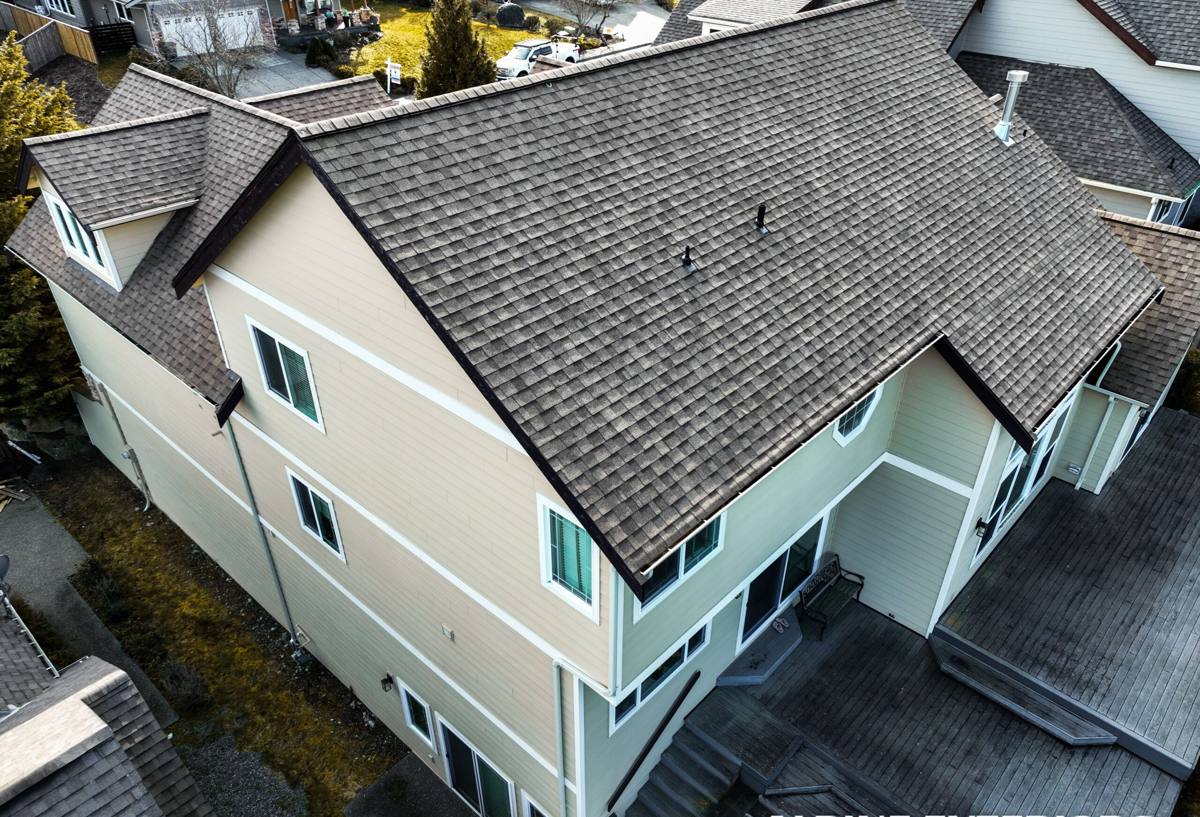
Historic Kenwood is one of St. Petersburg's older residential neighborhoods, and the decks attached to its bungalows, craftsman-style homes, and early-20th-century houses carry a different set of problems than decks on newer construction across the rest of Pinellas County. Framing methods have changed over the decades, ledger connections were often done to standards nobody would use today, and many of these decks have been patched, re-decked, or added onto more than once over the years. Repairing a deck here isn't just about swapping bad boards — it's about understanding what's actually holding the structure up and whether that original work is still doing its job.
We work on deck repairs throughout St. Petersburg and Pinellas County, and Historic Kenwood is a neighborhood we know well. That familiarity matters when you're trying to figure out whether a deck needs a few boards replaced or a full rebuild of the substructure.
What Pinellas County's Climate Does to an Older Deck
St. Petersburg sits in a coastal, subtropical climate, and that environment is hard on any exterior wood or composite structure — older decks in Kenwood take the brunt of it.
UV Exposure Year-Round
Florida sun is intense for most of the year, not just summer. Constant UV breaks down the lignin in wood fibers, causing graying, splintering, and surface checking. It also dries out the sealants and finishes on older decking far faster than in cooler climates, which means protective coatings need reapplication more often than most homeowners expect.
Wind-Driven Rain
Afternoon storms and tropical systems don't just drop rain straight down — wind pushes it sideways, driving moisture up under fascia boards, into ledger connections, and behind railing posts. On older homes, this is often where the real damage lives: not on the visible deck surface, but in the framing members that never fully dry out between storms.
Salt Air Corrosion
Being close to Tampa Bay and the Gulf means salt-laden air moves through Kenwood regularly. Salt accelerates corrosion in fasteners, joist hangers, and any exposed metal hardware. A deck can look structurally sound on the surface while the nails or screws holding it together are quietly rusting away underneath.
Hurricane-Force Wind Loads
Pinellas County sees hurricane and tropical storm activity most years. Decks — especially elevated ones or those with pergolas, railings, and stairs — take real lateral and uplift loads during these events. A ledger board or post connection that's been slowly weakening for years is exactly the kind of failure point that shows up during a major wind event.
Common Problems We Find on Kenwood Decks
- Ledger boards attached with inadequate or corroded fasteners, sometimes without proper flashing
- Joists and beams with rot concentrated at connection points where water collects
- Post bases sitting in standing water or buried in soil, accelerating decay from the ground up
- Railing posts that have loosened because their attachment was never adequate for current wind-load expectations
- Surface decking that looks worn but is masking sound framing underneath — or the reverse, decking that looks fine over compromised joists
- Stair stringers weakened by years of water runoff pooling at the base
- Older decks built to standards that predate current Florida Building Code wind and connection requirements
The tricky part is that surface wear and structural failure don't always show up together. A deck can look rough and still be structurally solid, or look fine and have a rotted ledger board hiding behind the house's siding. That's why a proper repair starts with an actual inspection, not a guess based on what's visible from the yard.
What a Correct Deck Repair Actually Involves
A repair done right on a Kenwood deck goes well beyond replacing a few gray or splintered boards. Here's what we check and address:
Structural Framing First
Before touching the decking surface, we check the ledger connection to the house, the condition of joists and beams, and how the deck is supported at grade — posts, footings, or piers. If the frame is compromised, replacing the decking on top of it just delays a bigger problem.
Fastener and Hardware Condition
Given how hard salt air is on metal hardware here, we look closely at joist hangers, bolts, and structural screws. Corroded hardware gets replaced with fasteners rated for coastal exposure — this is a place where cutting corners shows up years later as a safety issue, not just a cosmetic one.
Moisture Paths
We look at how water moves across and off the deck: drainage at the ledger, flashing details, gaps between boards, and whether water is pooling anywhere against the house. Fixing the boards without fixing the water path means the same rot returns.
Code-Current Connections
Where original construction falls short of current Florida Building Code requirements for ledger attachment, guardrails, or stair construction, we bring those specific elements up to code as part of the repair — not as an upsell, but because it's the difference between a deck that's actually safe in a storm and one that just looks fine on a calm day.
Repair or Replace? What Actually Drives That Decision
| Factor | Leans Toward Repair | Leans Toward Replacement |
|---|---|---|
| Framing condition | Joists and beams are sound, rot is isolated | Widespread rot in structural members |
| Ledger connection | Solid, properly flashed | Undersized, corroded, or missing flashing |
| Age of substructure | Framing is newer than the decking surface | Framing and decking are the same age and both aging out |
| Footings/posts | Stable, no movement or settling | Settling, cracking, or undersized for current code |
| Extent of surface damage | Isolated boards or sections | Damage spread across most of the deck |
| Design changes wanted | Keeping the current footprint and style | Wanting a different layout, size, or railing style |
Most Kenwood decks we assess fall somewhere in between — sound framing with isolated problem areas, which is a genuine repair. But we won't tell a homeowner a deck just needs a few boards when the framing underneath tells a different story. That call gets made after inspection, not before.
Working With Kenwood's Historic Character
Many homes in Historic Kenwood fall within a local historic district, and homeowners here are often thoughtful about keeping additions and repairs in line with the character of the house. When we repair a deck in this neighborhood, we try to match board profiles, railing styles, and finishes to what suits a bungalow or craftsman-era home rather than defaulting to whatever's fastest or cheapest. If a project involves visible changes to the deck's footprint or design, we'll flag when that's the kind of thing worth checking with the city or HOA before work starts — we're not the authority on historic district rules, but we won't ignore that this is a consideration in this neighborhood.
Our Process for a Historic Kenwood Deck Repair
- On-site inspection. We check framing, connections, hardware, and decking condition — probing for soft spots, not just looking at the surface.
- Honest assessment. You get a clear explanation of what's failing, what's still sound, and what your realistic options are — repair, partial rebuild, or full replacement.
- Written scope and estimate. No vague line items. You know what's being replaced, what hardware is used, and why.
- Repair work. Framing and hardware issues get resolved first, then decking, railings, and stairs.
- Final check. We walk the deck with you before calling the job done — connections, railing stability, and finish work.
Materials That Hold Up in This Environment
For decking surfaces, both quality wood and composite materials can perform well in St. Petersburg's climate — the deciding factor is usually maintenance tolerance and budget, not one being universally better. Wood requires more regular sealing and inspection given the UV and rain exposure here, but it's often more budget-friendly for repairs and easier to match to an existing deck's look. Composite decking costs more upfront and needs far less maintenance, but installation has to be done carefully — expansion gaps, fastening patterns, and substructure ventilation all matter more with composite than with wood, and getting those details wrong is a common source of long-term problems. Whatever material a repair uses, the hardware and framing underneath matter more than the surface material — that's where coastal corrosion and moisture actually cause failures.
Keeping Your Deck Sound Between Repairs
- Inspect ledger boards and post bases at least once a year, especially after hurricane season
- Keep gutters and downspouts directed away from the deck's footings and posts
- Reseal or refinish wood decking on a regular schedule — Florida sun breaks down finishes faster than in most climates
- Clear debris from between deck boards so water doesn't pool against fasteners
- Check railing posts for movement, especially after high-wind events
- Watch for soft spots underfoot, which often signal hidden joist rot before it's visible
If you own a home in Historic Kenwood and your deck needs a closer look, we're happy to come out, inspect it honestly, and tell you what it actually needs — no pressure, no upsell. Use the form below to request a free estimate.