 St. Petersburg
 Roofing a Historic Kenwood Home Is Its Own Job
Historic Kenwood isn't a subdivision built in a single season with matching trusses and matching pitches. It's a neighborhood of bungalows and early-20th-century homes, each with its own roof geometry, its own decking underneath, and often its own quirks from decades of prior repairs. Asphalt shingle roofing here isn't just "pick a color and nail it down" — it's matching a roof system to an older structure while meeting the wind and weather demands of coastal Pinellas County. A crew that treats a Kenwood bungalow like a 2015 tract home is going to miss things: undersized ventilation, decking that needs sistering before a single shingle goes down, or a roofline where standard valley flashing doesn't sit right.
We approach every Historic Kenwood roof as a two-part problem: what the home actually needs structurally, and what will hold up to the specific punishment St. Petersburg weather delivers year-round.
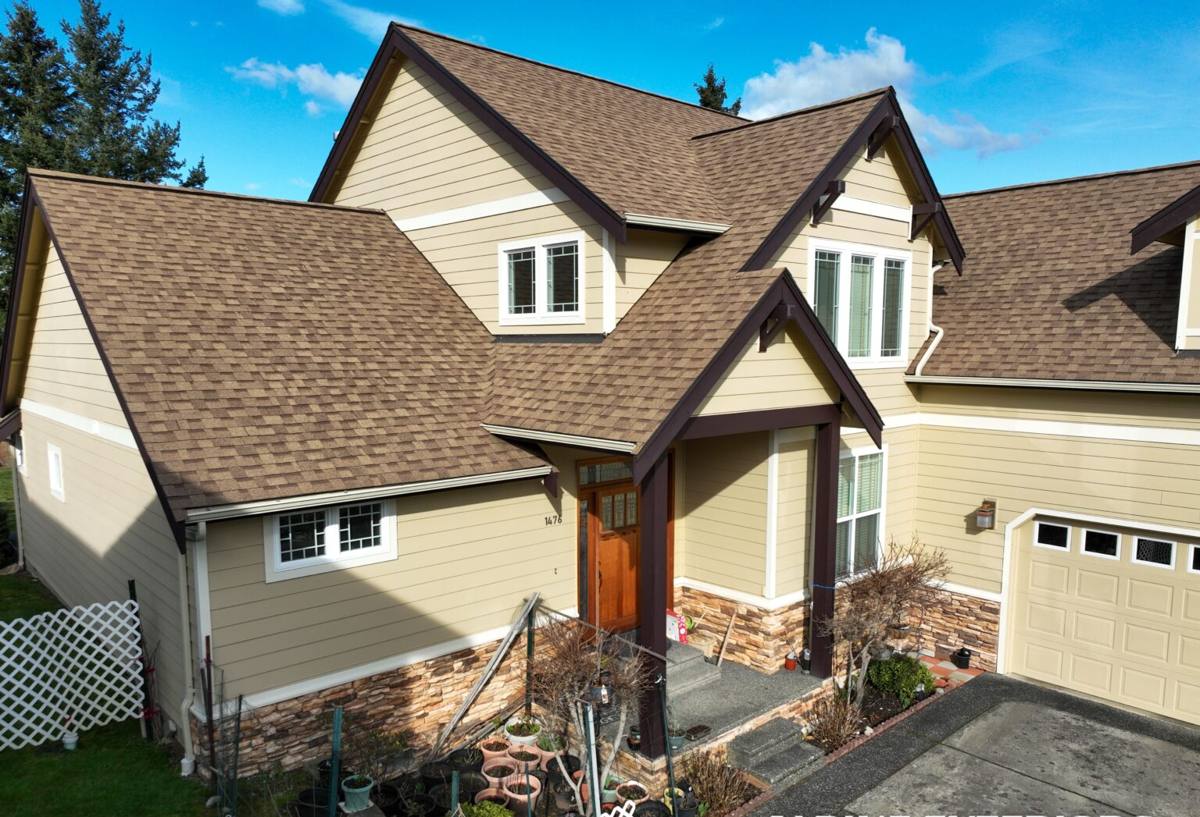
What Pinellas County Climate Does to a Shingle Roof
St. Petersburg sits on a peninsula, and that location cuts both ways. It's part of what makes the area livable, and it's also why roofs here fail faster than the same roof would in a landlocked state.
Hurricane-Force Wind
Wind is the single biggest threat to an asphalt shingle roof in this area. Sustained tropical-storm and hurricane-force winds get under shingle edges, especially at hips, ridges, and eaves, and once a few tabs lift, water finds a way in behind them. Older Kenwood roofs with original or undersized starter courses and fastening are especially vulnerable — this is one of the most common failure points we find on homes that haven't been re-roofed in a long time.
Year-Round UV Exposure
Florida doesn't give shingles an off-season. Constant, intense UV breaks down the asphalt binders in shingles over time, drying them out and making them brittle. A shingle that's gone brittle from sun exposure doesn't flex in wind — it cracks and breaks instead, which shortens the roof's useful life well before its rated warranty period runs out.
Wind-Driven Rain
It's rarely just rain here — it's rain pushed sideways by wind, which finds every weak seam, nail hole, and flashing gap that a straight-down rain would never reach. This is why underlayment quality and flashing detail matter as much as the shingle brand on top.
Salt Air
Kenwood isn't right on the water, but St. Petersburg's proximity to Tampa Bay and the Gulf means salt-laden air travels inland and settles on exposed roofing and metal components. Over years, that salt exposure accelerates corrosion on flashing, nail heads, and vent hardware — small parts that, once compromised, undermine the whole roof system.
What a Correct Shingle Roof Looks Like Here
A shingle roof built for this climate isn't just about the shingle itself — it's a system, and every layer has to do its job.
- Deck inspection and repair — any soft, delaminated, or water-damaged sheathing gets replaced before anything else happens. Shingles installed over bad decking will fail regardless of quality.
- High wind-rated underlayment — a synthetic or self-adhered underlayment rated for wind-driven rain, not just standard felt, as the roof's real waterproofing layer.
- Correct nailing pattern and fastener count — proper nail placement and count per shingle, matched to the wind exposure rating you're targeting, not the manufacturer's bare minimum.
- Starter strip at every edge — eaves and rakes get a proper adhesive starter course, which is one of the most overlooked details and one of the biggest reasons roofs lose shingles in high wind.
- Balanced attic ventilation — intake at the eaves and exhaust at the ridge, sized correctly, so the attic isn't cooking the underside of the shingles and shortening their life.
- Corrosion-resistant flashing — around chimneys, valleys, sidewalls, and penetrations, using metal that holds up to salt air instead of pitting and rusting within a few years.
Shingle Options: What Actually Fits an Older Kenwood Roof
Not every shingle product suits an older home's roof deck, roof pitch, or historic character. Here's how the common categories compare for a Historic Kenwood application.
| Shingle Type | Typical Wind Rating | Best Fit For | Trade-Offs |
|---|---|---|---|
| 3-tab (standard) | Lower end of rated range | Budget-conscious replacements on simple rooflines | Flat profile, shorter lifespan, less wind resistance than architectural |
| Architectural / dimensional | Mid-to-high, product dependent | Most Kenwood bungalows — better looks and performance | Higher upfront cost than 3-tab, still needs correct installation to hit rated wind performance |
| Impact-resistant (Class 4) | High, plus impact rating | Homes prioritizing storm resilience and possible insurance credit | Highest material cost; insurance discounts vary by carrier and aren't guaranteed |
For most Historic Kenwood homes, an architectural shingle strikes the right balance — the added thickness and dimensional profile reads well against a bungalow's roofline, and the wind performance is a real step up from 3-tab when installed with full fastening and starter detail. Class 4 impact-resistant shingles are worth discussing if you're weighing long-term storm resilience or checking with your insurance carrier about premium credits, but the decision should be based on your specific policy and roof, not a blanket recommendation.
Our Process on a Historic Kenwood Roof
1. On-Site Assessment
We walk the roof and the attic, not just the ground-level view. That means checking decking condition, existing ventilation, flashing condition around chimneys and valleys, and the general shape of the roofline before quoting anything.
2. Scope and Straight Answer on Repair vs. Replace
Some Kenwood roofs need a full tear-off. Others have isolated storm or age damage that can be repaired without touching the whole roof. We'll tell you honestly which situation you're in rather than defaulting to the bigger job.
3. Tear-Off and Deck Repair
Full removal of old material down to the deck, replacement of any compromised sheathing, and a clean surface for the new system to bond to.
4. System Installation
Underlayment, starter strip, flashing, ventilation, and shingle installation, in that order, with fastening matched to the wind performance the shingle is rated for.
5. Final Walkthrough
We review the finished roof with you, including ventilation points, flashing details, and anything specific to your home's roofline that's worth knowing for future maintenance.
Historic Character and Neighborhood Considerations
Kenwood's identity is tied to its older housing stock, and that sometimes means extra steps that a newer subdivision roof wouldn't require. Depending on your home's designation, exterior work visible from the street — including roofing in some cases — may need to go through St. Petersburg's historic review process before work begins. We won't pretend to know your property's exact requirements without looking at your specific address and designation status, but we'll help you figure out whether that applies and won't start work that risks a compliance problem down the line. Matching shingle color and profile to fit the home's original character is also something worth discussing up front, especially on a street where the roofline is part of what gives the block its look.
Maintenance That Actually Extends the Roof's Life
Asphalt shingle roofs in this climate need periodic attention — not because the product is fragile, but because sun, salt, and storms don't take breaks. A few habits go a long way:
- Have the roof inspected after any named storm that produced sustained high winds, even if you don't see obvious damage from the ground.
- Keep gutters and valleys clear so wind-driven rain has a clean path off the roof instead of pooling at seams.
- Trim back overhanging tree limbs that can abrade shingle granules or drop debris into valleys.
- Watch for granule loss in gutters or downspouts — it's an early sign of UV-driven shingle wear before leaks start.
- Get flashing and vent boots checked every few years, since salt air corrosion on metal components tends to show up before the shingles themselves fail.
Why Local Experience in Kenwood Matters
A crew that's already worked on Historic Kenwood roofs knows what to expect before the ladder goes up — the typical deck conditions on homes of this era, the roofline shapes that need extra flashing attention, and how St. Petersburg's coastal exposure has already aged the existing materials. That familiarity means fewer surprises mid-job and a roof system that's genuinely built for this specific neighborhood, not a generic install dropped onto an older structure.
If you're weighing a repair, a full replacement, or just want a straight assessment of where your Historic Kenwood roof stands, we're happy to take a look. Request a free, no-pressure estimate using the form below.