 St. Petersburg
 New-Construction Windows in Euclid-St. Paul
Euclid-St. Paul is one of St. Petersburg's older, established neighborhoods, and most of the window work we do there falls into one of two buckets: a full addition or second story that requires framing brand-new rough openings, or a gut renovation where the existing window openings are being reframed rather than reused. Either way, that's a different job than swapping out an old window for a new one in an existing opening — and it needs to be treated that way from the first measurement.
New-construction windows are built with a nailing fin around the perimeter of the frame. That fin gets fastened directly to the sheathing and integrated into the wall's water-resistive barrier and flashing, the same way a window would be installed in a home that's being built from the ground up. Replacement windows, by contrast, are sized to slide into an existing frame with minimal disruption to the surrounding wall finish. If a contractor tries to use one method where the other is called for, you end up with either a window that isn't properly anchored to structure or a wall that isn't properly protected from water intrusion. Both are expensive mistakes to find out about later.
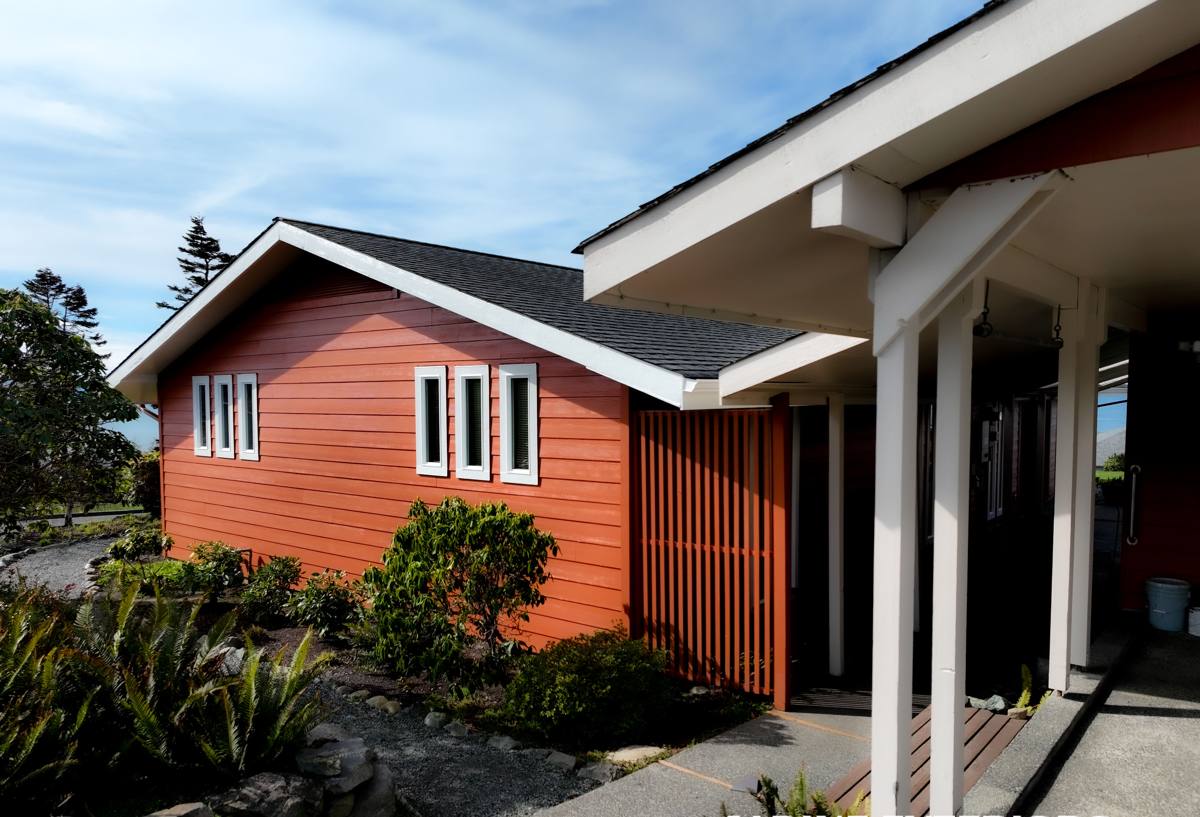
What Pinellas County's Climate Demands From a New Window Opening
St. Petersburg sits on a peninsula in Pinellas County, and that location shapes every decision that goes into a new window install here, not just the ones about glass.
- Hurricane-force wind and wind-borne debris: New window openings have to be built to hold up under sustained wind pressure and, depending on the product and location, resist impact from flying debris during a storm.
- Intense, year-round UV: Florida sun is harder on window frames, glazing seals, and exterior sealants than it is in most of the country. Materials that aren't UV-stabilized degrade faster here, showing up as chalking, brittleness, or seal failure well ahead of schedule.
- Wind-driven rain: St. Petersburg storms don't just drop rain straight down — wind pushes it sideways and up under trim and flashing. A new opening's flashing sequence has to account for water moving in directions a fair-weather install would never see.
- Salt air: Being close to Tampa Bay and the Gulf means airborne salt accelerates corrosion on fasteners, hardware, and unprotected metal. Hardware and fastener choices that would be fine in a landlocked climate can start failing years early here.
None of this is unique to Euclid-St. Paul specifically, but it's the baseline every new window opening in this part of St. Petersburg has to be engineered around — and it's why "just frame it and set the window" is not an acceptable standard here.
Why Euclid-St. Paul's Housing Stock Adds Its Own Wrinkles
Euclid-St. Paul is a mix of older bungalow and mid-century homes alongside newer infill construction and additions. That mix matters for new-construction window work in a few practical ways:
Matching new openings to older wall assemblies
When a new opening is being cut into an older exterior wall — for an addition, a converted porch, or an enlarged opening during a renovation — the framing, sheathing, and existing weather barrier may not match current building practice. We have to tie the new opening's flashing and water management into whatever wall assembly is already there, not just install as if the wall were brand new.
Stucco, siding, and trim details
Older St. Petersburg homes in this area commonly have stucco or lap siding exteriors, and each finish has its own correct flashing and sealant detail around a new nailing-fin window. Getting this wrong under stucco in particular is a common source of hidden water intrusion, since damage can sit behind the finish for a long time before it shows.
Neighborhood character
Homeowners in established neighborhoods like Euclid-St. Paul are often trying to add space or light without the new windows looking obviously bolted on. Frame profile, exterior color, and grid pattern choices matter here as much as the technical install.
What a Correct New-Construction Window Install Involves
A new-construction window install has more steps than people expect, and skipping any one of them is how you get leaks, drafts, or a window that isn't actually holding its rated wind pressure.
- Verify the rough opening is framed square, plumb, and to the correct size for the specified window unit
- Confirm the window's wind-load and product approval rating matches what's required for the building and its exposure
- Install or verify the water-resistive barrier around the opening before the window goes in
- Set sill pan flashing to direct any water that gets past the window back out, not into the wall
- Set the window plumb, level, and square, and fasten the nailing fin per the manufacturer's schedule
- Integrate side and head flashing in the correct shingle-lap order so water sheds down and out at every layer
- Seal and back-caulk per manufacturer specification, using sealant rated for exterior UV exposure
- Insulate the gap between frame and rough opening without over-compressing the frame
- Complete interior and exterior trim so the finished opening is weathertight and visually finished
The flashing sequence — the order that layers overlap so water always drains outward and downward — is the single most common point of failure we see corrected after another contractor's work. It's not visible once trim goes on, which is exactly why it has to be done right the first time.
Glass, Frame, and Product Choices for This Area
Florida Building Code requires new window installs in coastal counties like Pinellas to meet wind-load and, in many cases, wind-borne debris protection standards, even outside the state's highest-velocity hurricane zones farther south. In practice, that means every new-construction window on a St. Petersburg permit needs a documented product approval and a wind pressure rating appropriate to the home's location and exposure — this isn't optional trim-level detail, it's part of what gets the permit signed off.
| Option | What It Offers | Trade-Off to Consider |
|---|---|---|
| Impact-rated glass | Meets wind-borne debris protection without separate shutters; laminated glass stays intact if struck | Higher upfront cost than non-impact glass |
| Non-impact glass + shutters or panels | Lower window cost; shutters can be lower-profile day-to-day | Requires action before every storm; easy to overlook |
| Vinyl frames | Good insulating properties, low maintenance, resists salt corrosion well | Can expand/contract more in extreme heat than other materials |
| Aluminum frames | Slim sightlines, strong for larger openings | Needs corrosion-resistant hardware and coatings near the coast |
| Fiberglass frames | Very stable in heat, low expansion, long service life | Higher material cost |
We'll walk through which combination fits your addition or renovation, your budget, and how the wall assembly around the new opening is built — there isn't one right answer for every project.
Our Process for Euclid-St. Paul Projects
- On-site assessment: We look at the existing wall assembly, exterior finish, and what's driving the new opening — addition, renovation, or new build — before quoting anything.
- Product selection: We recommend frame material, glass type, and wind-load rating based on your home's exposure and the permit requirements for the address.
- Permitting: New window openings in St. Petersburg require permitting and product approval documentation; we handle this as part of the job, not as a homeowner side task.
- Framing and prep verification: Before any window is set, we confirm the rough opening and water-resistive barrier are correct.
- Installation: Sill pan, window set, flashing, sealant, and insulation, done in the correct sequence for the exterior finish involved.
- Trim and finish: Interior and exterior trim completed to match the surrounding home.
- Final walkthrough: We review the finished openings with you before calling the job done.
What Drives Cost on a New-Construction Window Job
| Factor | Why It Matters |
|---|---|
| Number and size of openings | More or larger openings mean more framing, flashing, and labor time |
| Impact vs. non-impact glass | Impact-rated glass carries a higher material cost but removes the need for separate storm protection |
| Frame material | Vinyl, aluminum, and fiberglass sit at different price points and offer different long-term maintenance profiles |
| Wall finish complexity | Stucco detailing and trim matching to an older exterior take more time than a simple siding install |
| Permitting and engineering | Larger openings or structural changes may need engineering review beyond a standard permit |
We give straightforward, itemized estimates so you can see what you're paying for and where the money is going, rather than a single lump number.
Why Hiring a Crew That Already Works in This Neighborhood Matters
New-construction window work in Euclid-St. Paul isn't the same job as new-construction window work in a brand-new subdivision. It involves tying new openings into older wall assemblies, matching trim and finishes on established homes, and knowing what St. Petersburg's permitting process expects for this kind of work before you start — not after an inspector flags something. A crew that regularly works Pinellas County homes also already understands what salt air, UV, and wind-driven rain do to materials over time here, and specs accordingly instead of learning that lesson on your house.
If you're planning an addition, a renovation with new openings, or a small new build in Euclid-St. Paul, we're happy to walk the site, talk through what your project actually needs, and put together a clear, no-pressure estimate — just fill out the form below to get started.