 St. Petersburg
 Siding Built for What Euclid-St. Paul Actually Deals With
Euclid-St. Paul is one of St. Petersburg's established residential neighborhoods, with a mix of older bungalows and newer infill homes under mature tree canopy. Sitting close to Tampa Bay and the Gulf, houses here take on salt-laden air, subtropical humidity, and the annual run of tropical weather regardless of a home's age or style. Siding that holds up fine in a drier, cooler climate often fails early here, and the failure is rarely obvious until it has already done damage underneath the surface.
We install fiber cement siding throughout St. Petersburg and Pinellas County, and every Euclid-St. Paul project follows the same non-negotiables we apply everywhere: correct water management behind the cladding, fasteners and clearances rated for real wind exposure, and a factory finish that can take direct Florida sun for decades without chalking or fading. This page covers what that looks like for this specific neighborhood, and why both the product and the installation matter more here than they do in most of the country.
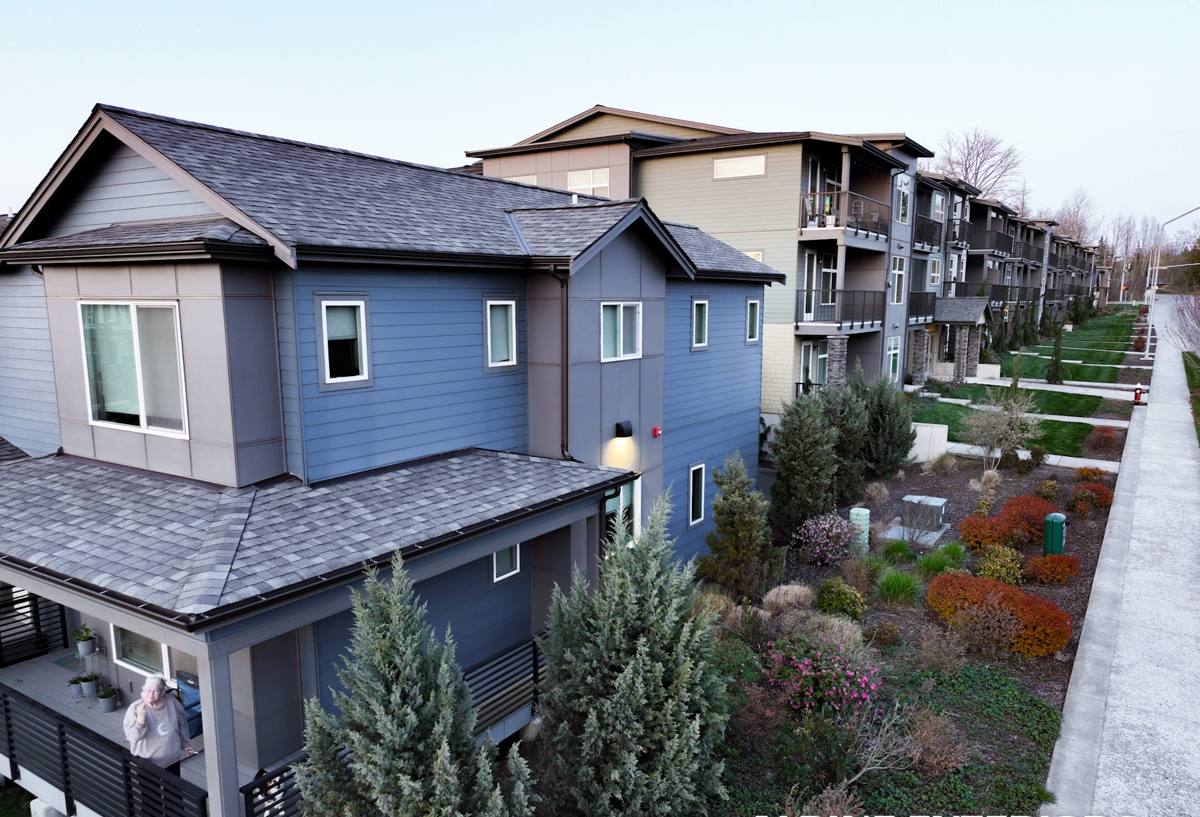
What Pinellas County's Climate Does to the Wrong Siding
Salt Air and Moisture
Even several miles inland from open water, airborne salt settles on exterior surfaces and accelerates corrosion of fasteners, trim, and any siding material that isn't built to resist it. Salt also holds moisture against a wall longer than plain rainwater does, and that's a problem for any siding that absorbs water or swells when wet. That trapped moisture has to go somewhere, and if it can't escape, it goes to work on the sheathing and framing behind the siding, not just the siding itself.
Year-Round UV Exposure
St. Petersburg sees sun nearly every day of the year. A factory-applied finish is engineered specifically to resist UV breakdown in a way field-applied paint isn't. Painted siding and unfinished wood products start losing color and surface integrity within a few years under this much sun, which is a maintenance cost homeowners often don't budget for when they choose a cheaper product up front.
Wind-Driven Rain and Storm Loads
Wind-driven rain during Pinellas County's summer storm season pushes water sideways into seams, laps, and fastener penetrations that would stay dry in a normal rain event. During an actual tropical system, siding also has to survive sustained high wind and flying debris without peeling off the wall, and that comes down to how the material is fastened and whether it holds a nail or screw without splitting or cracking under load.
Why We Install Only James Hardie Fiber Cement
We standardized on James Hardie fiber cement siding, and we don't install vinyl, LP SmartSide, Cemplank, Allura, or unfinished wood siding on Euclid-St. Paul homes. That's a deliberate professional standard, not a brand preference. Fiber cement is non-combustible, doesn't swell or rot when it gets wet, and holds a finish far longer than wood-based products in a humid, sun-heavy climate. Hardie's factory-applied ColorPlus finish is baked on and backed by its own fade and chip protection in a way field-applied paint can't match, and Hardie's HZ5 product line is climate-engineered for high-humidity, storm-prone regions like ours rather than pulled from a generic, colder-climate catalog. Hardie also backs its siding with a strong, transferable limited warranty, which matters to a future buyer if the home is ever sold.
Vinyl siding is lightweight, and lightweight is exactly what struggles in sustained high wind — it can deform, crack, or blow off, and it becomes brittle and faded after years of direct UV exposure. Engineered wood products like LP SmartSide use a wood-strand core that performs well while its edge seal and finish stay intact, but once that seal is compromised, the core is vulnerable to swelling and rot in precisely the kind of humid, storm-exposed climate St. Petersburg has. We'd rather explain honestly why we don't install those products than sell a homeowner something we don't believe will hold up on their house for the long haul.
What a Correct Fiber Cement Installation Involves
Water Management Behind the Siding
Fiber cement siding is only as good as what's behind it. A correct installation starts with a weather-resistant barrier, properly lapped and taped, with flashing at every window, door, and penetration so that any water that gets past the siding drains back out instead of soaking into the sheathing. This step is invisible once the job is finished, and it's the step most likely to get rushed by a crew that doesn't specialize in fiber cement.
Fastening and Clearances
Hardie siding has to be fastened to the manufacturer's specifications for our wind exposure category, using corrosion-resistant fasteners driven to the correct depth. Overdriven fasteners crack the board's edge and create a moisture entry point that isn't visible from the ground. Clearance from the roofline, decks, and grade matters too: siding installed too close to a roof deck or set directly against soil or hardscape traps moisture and can void the manufacturer's warranty.
Trim, Joints, and Caulking
Butt joints, corners, and trim need to be back-primed, correctly gapped, and sealed with a paintable, high-quality exterior sealant, not just caulked over a gap and left. Done right, these details keep water out of the wall assembly for decades. Done wrong, they're the first place a house starts leaking, usually years after the crew that installed it is gone.
Comparing Siding Options for Pinellas County Homes
Homeowners in Euclid-St. Paul are often weighing more than one siding material before deciding. Here's an honest comparison of how the main options hold up against this climate's specific demands.
| Factor | James Hardie Fiber Cement | Vinyl | Engineered Wood (LP SmartSide) |
|---|---|---|---|
| Wind resistance | Engineered and tested for high-wind installation | Can deform or detach in sustained high wind | Adequate if intact, but weakens once moisture reaches the core |
| Moisture / rot behavior | Does not rot; won't swell when wet | Doesn't rot, but can trap moisture behind the panel | Wood-strand core is vulnerable to swelling and rot if the seal fails |
| Salt air / coastal exposure | Climate-engineered HZ5 line for humid, coastal regions | Can become brittle over years in salt-heavy air | Not specifically engineered for salt-air exposure |
| UV / fade resistance | Factory ColorPlus finish with fade protection | Fades and chalks over time in direct sun | Depends on field-applied paint; fades faster |
| Fire performance | Non-combustible | Combustible | Combustible |
| Typical upkeep | Occasional wash; repaint optional, decades out | Low upkeep, but cracked or faded panels are replaced, not repaired | Regular inspection and repainting to protect the core |
Our Process for Euclid-St. Paul Projects
Every project follows the same sequence, whether it's a full re-side or a section replacement after storm damage:
- On-site inspection of the existing siding, sheathing, and any moisture damage, with a plain-language explanation of what we find.
- A written estimate specifying the exact Hardie product line, profile, and color, with no vague allowances.
- Removal of failing siding down to the sheathing, with repair of any rotted or water-damaged material before new siding goes on.
- Installation of a correctly lapped weather barrier and flashing at every penetration.
- Fiber cement installation to manufacturer spec for our local wind exposure, with sealed joints and back-primed trim.
- A final walkthrough so the homeowner sees the finished work and understands what was done and why.
Signs Your Current Siding Needs Attention
Homeowners in Euclid-St. Paul should watch for these signs, especially after storm season:
- Visible cracking, buckling, or warping along siding panels or seams
- Soft or spongy spots when pressed near the bottom of a wall or below windows
- Paint that's peeling, bubbling, or chalking heavily to the touch
- Gaps opening up at trim, corners, or butt joints
- A persistent musty smell or staining on interior walls that share an exterior wall
- Siding that flexes or feels loose when pushed by hand
Any one of these is worth a closer look before it turns into a larger repair, particularly heading into or coming out of hurricane season.
Maintenance and Long-Term Care
One advantage of correctly installed Hardie siding in this climate is how little ongoing maintenance it needs compared to wood-based alternatives. An occasional rinse to clear off salt residue and pollen, a visual check after major storms for impact damage, and keeping caulking and trim intact around windows and doors covers most of what's required. It won't need repainting on the schedule wood siding does, and it won't develop the soft spots or hidden rot that engineered wood can once its finish is breached.
Why Hiring a Crew That Already Works This Neighborhood Matters
A crew that regularly works Euclid-St. Paul and the surrounding St. Petersburg neighborhoods already understands local wind exposure requirements, the age and construction style of homes in this part of Pinellas County, and how to sequence a job around Florida's rain patterns so a house isn't left exposed mid-project. That familiarity shows up in the details that matter: correct permitting, realistic scheduling around summer storms, and installation choices suited to an established neighborhood rather than a generic new-construction spec sheet.
If your Euclid-St. Paul home needs new siding, storm repair, or you're simply trying to decide what's worth installing before your current siding fails, we're happy to take a look and give you a straight answer. Reach out for a free, no-pressure estimate using the form below.