 St. Petersburg
 Deck Repair Built for Disston Heights Conditions
Disston Heights is one of St. Petersburg's older, established neighborhoods, and a lot of the decks here have been through decades of Pinellas County weather. That means sun-bleached boards, softened framing, and hardware that's rusted or backed out long before the deck itself is actually done. A deck that looks fine from the porch can still have real structural problems underneath, and a deck that looks rough can sometimes be saved with targeted repair instead of a full tear-off. Our job is to tell the difference honestly and fix what actually needs fixing.
Deck repair in this part of Florida isn't like deck repair in a drier, milder climate. Between hurricane-force wind events, near-constant UV exposure, wind-driven rain that gets pushed sideways under railings and into ledger boards, and the salt air that drifts in off Tampa Bay and the Gulf, every component of a deck ages faster here than the manufacturer's spec sheet assumes. Repair work has to account for all of that, not just patch the visible damage.
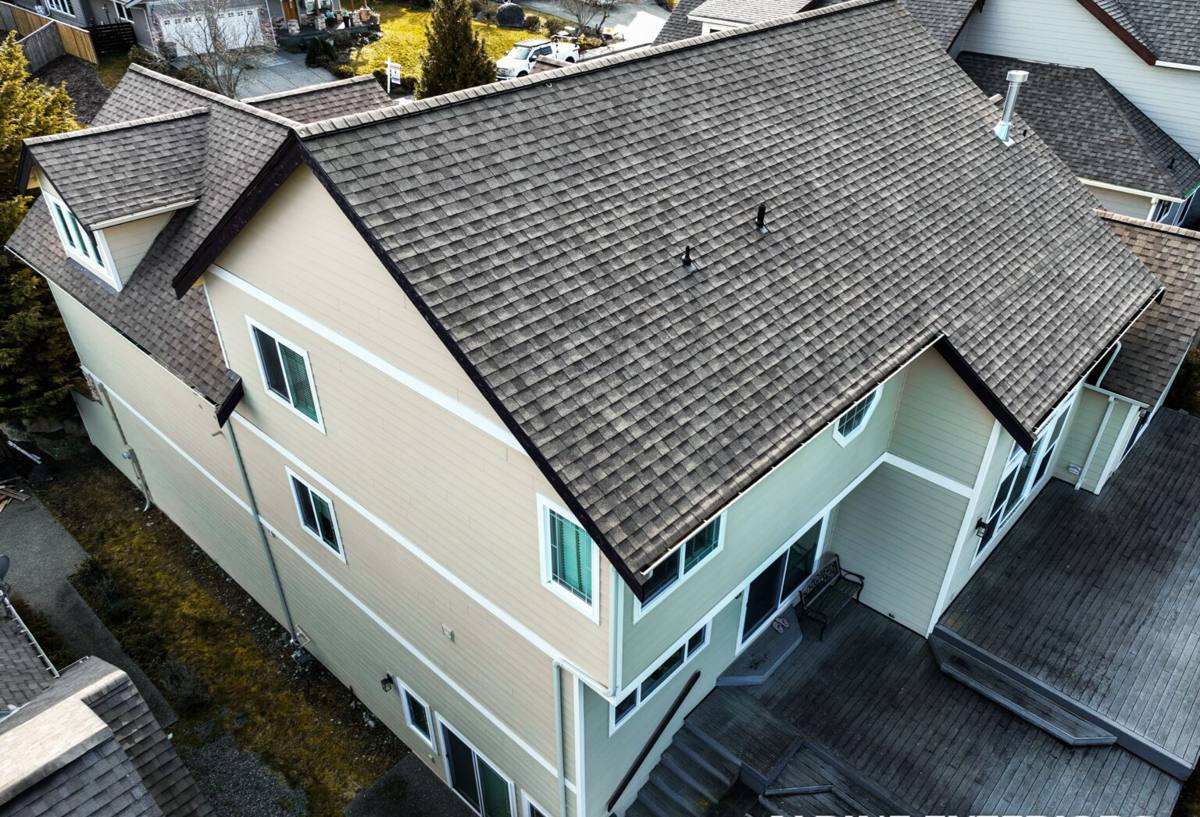
What St. Petersburg's Climate Does to a Deck
UV and Heat
Year-round sun exposure dries out wood fibers, breaks down sealers, and fades composite boards unevenly depending on shade patterns from nearby trees or structures. Wood decking that isn't resealed on schedule starts to crack, cup, and splinter well ahead of when a homeowner expects.
Wind-Driven Rain and Humidity
Rain in this region rarely falls straight down. Wind pushes it into gaps around ledger boards, under flashing, and between deck boards where it sits and doesn't dry out quickly in our humidity. That trapped moisture is the single biggest cause of hidden rot in joists, beams, and the ledger connection to the house.
Salt Air and Corrosion
Even away from the immediate waterfront, salt-laden air travels inland and accelerates corrosion on fasteners, joist hangers, and structural screws. Once hardware starts rusting, it loses holding strength long before it looks obviously bad, which is why hardware condition matters as much as the wood itself during an inspection.
Storm and Wind Loading
Pinellas County sees real hurricane and tropical storm activity, and decks take direct wind loading plus debris impact. Loose railings, undersized post connections, and corroded hardware are exactly the kind of thing that turns a bad storm into a bigger repair bill than it needed to be.
Signs Your Deck Needs Repair Now
Most deck problems give warning signs well before anything fails outright. Homeowners in Disston Heights should watch for:
- Boards that feel soft, spongy, or spring underfoot when you walk across them
- Visible gaps, cracking, or splintering along the board edges
- Rust stains bleeding out around screws, bolts, or joist hangers
- A railing or post that wobbles or flexes when you lean on it
- Any separation, gap, or staining where the deck ledger meets the house
- Stairs that feel uneven or have visibly sagging stringers
- Standing water or slow drainage between boards after rain
- A musty smell coming from underneath the deck
Any one of these on its own might be minor. Several together, especially near the ledger or main support posts, usually means the structure needs a real inspection, not just a cosmetic fix.
Repair vs. Replacement: How We Decide
Not every deck problem means starting over, and we don't push replacement when repair will genuinely hold up. The decision usually comes down to how much of the structural system — framing, ledger, posts, footings — is still sound versus how much of the damage is limited to the surface boards, railings, or fasteners.
| Condition Found | Usually Means | Typical Fix |
|---|---|---|
| Soft or cracked deck boards only, framing solid | Surface-level weather damage | Board replacement or resurfacing |
| Rusted fasteners, boards otherwise intact | Hardware failure from age or salt exposure | Hardware swap-out, re-fastening |
| Soft or rotted joists, sound ledger and posts | Localized moisture intrusion | Sistering or replacing affected framing members |
| Rot or gapping at the ledger board | Water intrusion at the house connection | Ledger replacement and flashing correction |
| Multiple posts, beams, and footings compromised | Widespread structural failure | Full or near-full rebuild |
The ledger connection deserves special attention on older Disston Heights homes, since that's the single point holding the entire deck to the house structure. If it's failing, everything downstream of it — no matter how new the decking looks — is only as strong as that connection.
What a Proper Deck Repair Actually Involves
Structural Inspection First
Before any boards get pulled or replaced, a proper repair starts underneath the deck: checking joists, beams, posts, footings, and the ledger connection for rot, corrosion, and movement. Surface repairs done without this step tend to fail again within a season or two because the underlying problem was never addressed.
Framing and Hardware
Any compromised framing gets sistered or replaced, and old fasteners or joist hangers are swapped for hardware rated for exterior and coastal-adjacent exposure. This is where a lot of shortcut repairs cut corners, reusing corroded hardware because it's "still holding" — which is a temporary condition, not a solution.
Decking, Railings, and Stairs
Damaged boards are replaced to match the existing material as closely as possible, railings are re-secured or rebuilt to proper spacing and load standards, and stair stringers are checked for the same rot and movement issues as the main deck frame.
Drainage and Moisture Management
Proper flashing at the ledger, correct board spacing for drainage, and attention to grading underneath the deck all matter as much as the repair itself. A repair that doesn't fix the underlying moisture path just delays the next repair.
Our Deck Repair Process
- On-site inspection — we check the full structure, not just the area you called about, since problems are often connected.
- Honest assessment — you get a clear picture of what's repairable, what's not, and why, before any work starts.
- Written scope and estimate — no vague verbal promises; you see exactly what's being repaired and what materials are used.
- Permitting where required — structural repair work is handled properly, not quietly skipped to save time.
- Repair work — framing, hardware, decking, and railings addressed in the right order so nothing gets covered up before it's inspected.
- Final walkthrough — we check the repaired areas with you and point out any maintenance items to keep an eye on going forward.
Materials: What We Use and Why
For structural framing repairs, pressure-treated lumber rated for exterior ground contact or above-ground use (depending on the application) remains the standard for a reason: it's a known, code-recognized material with predictable behavior when properly fastened and flashed. For decking surfaces, homeowners in Disston Heights choose between wood, composite, and PVC boards, and each comes with real trade-offs worth understanding honestly.
| Material | Repair Considerations | Climate Trade-Offs |
|---|---|---|
| Pressure-treated wood | Easy to source-match for partial repairs; needs periodic sealing | Prone to UV fading and moisture cycling without maintenance |
| Composite decking | Repairs must match existing board profile and color batch | Handles humidity well; some products can hold heat and require attention to board spacing for drainage |
| PVC decking | Very stable dimensionally, but repairs need exact product matching | Strong moisture and UV resistance; higher upfront material cost |
We don't push one material as universally "better" — we explain what each one means for your specific deck, your budget, and how much of the existing structure you're trying to match versus replace.
Post-Repair Maintenance Checklist
- Reseal or re-stain wood decking on a regular schedule, especially with year-round sun exposure
- Rinse salt residue and debris off the deck surface periodically, especially after storms
- Check railings and stair connections for looseness once or twice a year
- Keep gutters and downspouts directing water away from the deck and ledger area
- Clear leaves and debris from between boards so water doesn't pool
- Have the underside inspected after any major storm event, not just the visible surface
Why Hire a Crew That Already Works in Disston Heights
Deck repair done by someone unfamiliar with St. Petersburg's specific mix of heat, humidity, salt air, and storm exposure tends to underestimate what these conditions do to a structure over time. A crew that regularly works Disston Heights and the surrounding Pinellas County neighborhoods already knows what the older housing stock here tends to need, what hardware actually holds up, and how to sequence repairs around Florida's rainy season instead of getting caught mid-project by it.
Local familiarity also matters for permitting and code compliance specific to St. Petersburg and Pinellas County, and for simply being available if a repair needs a follow-up visit or a storm causes new damage down the road. This isn't work we want to do once and disappear from — it's work we expect to stand behind.
Get a Straightforward Deck Repair Estimate
If your deck in Disston Heights is showing soft spots, loose railings, rust stains, or anything else on the list above, it's worth getting it looked at before the next storm season adds to the problem. We'll give you a straight answer on what's actually wrong, what it takes to fix it right, and what it will cost — no pressure, no inflated scope. Use the form below to request a free estimate.