 St. Petersburg
 Deck Repair Built for Historic Old Southeast's Older Homes
Historic Old Southeast is one of St. Petersburg's older residential districts, filled with bungalow-style homes built decades before today's deck-attachment codes and fastener standards existed. Many of the decks we get called out to repair here were added or rebuilt at some point after the original house went up, often without the ledger flashing, hardware, or footing depth that current Florida building code requires. That gap between "built a while back" and "built to hold up in Pinellas County" is exactly where deck problems start.
We repair decks throughout St. Petersburg, and the issues we see in Old Southeast follow a pattern shaped by the neighborhood itself: mature oak canopy that keeps decks shaded and slow to dry, older homes with framing that was never engineered for a deck load in the first place, and a location close enough to Tampa Bay that salt air and humidity are a daily fact of life, not an occasional one.
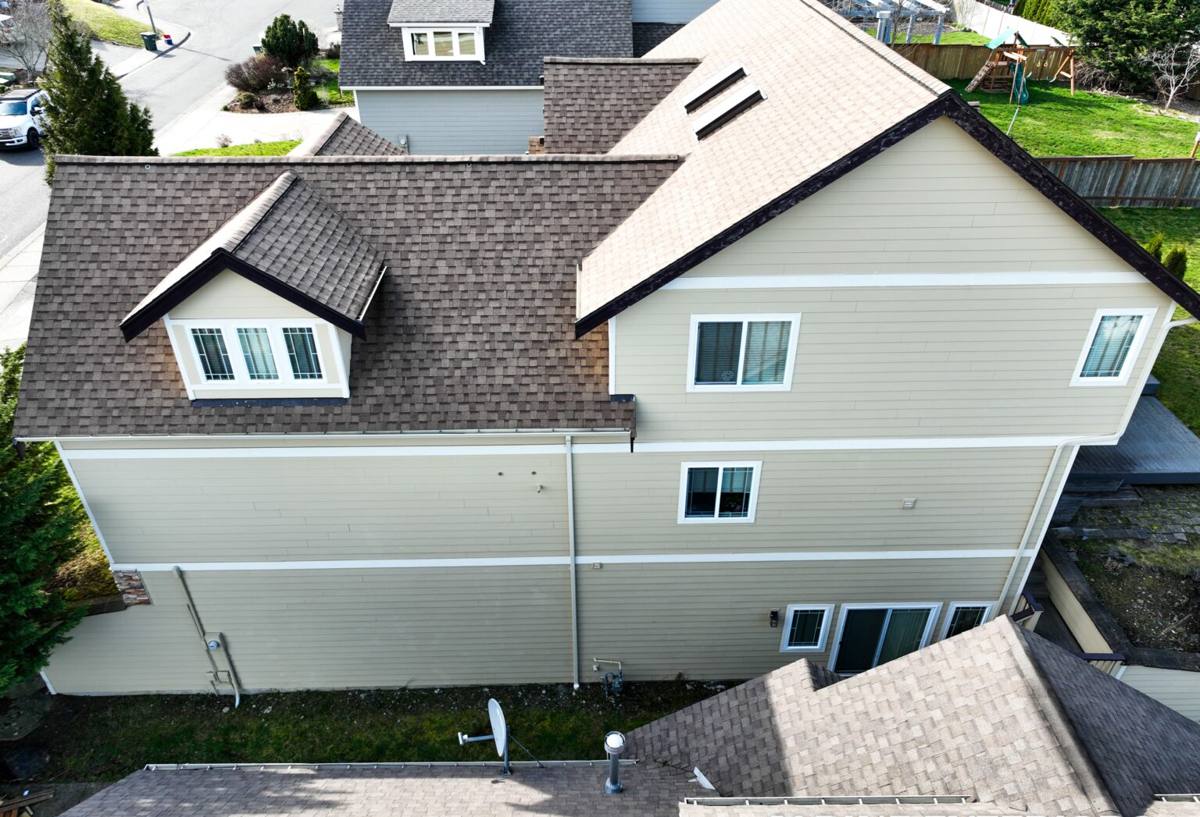
Why Decks Take a Beating in This Part of St. Petersburg
Shade and Moisture from Mature Tree Canopy
The oak-lined streets that give Old Southeast its character also mean many decks spend most of the day in shade. Shade sounds like a benefit until you realize it also means slower drying after rain, more standing moisture on deck boards, and conditions that favor mold, algae, and wood rot. A deck in full sun in a newer subdivision can dry out in an hour after a storm; a shaded deck under established oaks can stay damp for most of a day.
Salt Air and Humidity
St. Petersburg sits on a peninsula, and even neighborhoods that aren't waterfront still deal with salt-laden air moving in off Tampa Bay and the Gulf. Salt air accelerates corrosion in exposed fasteners, joist hangers, and structural screws — often from the inside of the connection, where you can't see it until a board comes loose or a railing starts to wobble.
Year-Round UV Exposure
Florida sun is intense and consistent nearly twelve months a year. UV breaks down the lignin in wood fiber and degrades the surface finish on composite decking, which is why boards that look fine at a glance can be dry, brittle, or graying underneath a coat of sealer that's past its useful life.
Wind-Driven Rain and Storm Loads
Pinellas County's storm season pushes rain sideways under railings and into ledger connections that were never flashed correctly to begin with. Add hurricane-force wind gusts to a deck with undersized or corroded fasteners, and you have a structure that's one bad storm away from a real problem.
What a Proper Deck Inspection Actually Checks
A deck can look solid from the top and still be failing underneath. Before we recommend any repair, we get eyes on the parts of the deck that actually carry the load:
- The ledger board connection to the house — the single most common failure point on older Florida decks
- Support posts and footings, checking for movement, rot at the base, or undersized concrete
- Joists and beams for soft spots, splitting, or fastener corrosion
- Railings and guardrail posts for secure attachment — a code and safety issue, not just cosmetic
- Stair stringers, which take repeated flexing and are often the first thing to fail
- Surface boards for cupping, splintering, soft spots, and finish breakdown
On a lot of Old Southeast homes, this inspection also turns up framing that was never permitted or engineered as a deck attachment at all — sometimes just lag bolts driven into old wood siding with no flashing. That's not a scare tactic, it's just what decades-old additions on older homes often look like once you pull a board or two.
Common Repair Scenarios We See in This Neighborhood
Ledger Separation on Older Framing
When the ledger board starts pulling away from the house — even slightly — it's usually a sign of moisture intrusion behind the connection, not just loose bolts. Re-securing it properly means adding flashing and correct fasteners, not just driving new screws into the same failing wood.
Soft or Rotted Joists Under Shaded Sections
Decks tucked under heavy tree cover often rot from the framing outward rather than the surface down, since the top of the board dries faster than the joist beneath it. This is why a deck can pass a casual visual check and still need structural repair.
Corroded Hardware
Joist hangers, bolts, and screws that weren't rated for coastal exposure corrode from the inside. We replace these with hardware actually rated for the environment, not just whatever matches what was there.
Railing and Guardrail Repair
Loose or wobbly railings are a liability issue as much as a cosmetic one, and on older homes the original railing posts were often undersized or attached without adequate blocking.
Repair vs. Replace: How We Make That Call
Not every deck problem means starting over, and not every deck is worth patching. We look at the structural framing first, since that determines everything else.
| Factor | Usually Points to Repair | Usually Points to Replace |
|---|---|---|
| Ledger & framing condition | Solid, isolated soft spots only | Widespread rot, no proper flashing |
| Age of structure | Under 15-20 years, decent materials | Original framing decades old, unknown build quality |
| Footings & posts | Sound, adequately sized | Undersized, shifting, or cracked |
| Surface boards | Isolated damage, framing is sound | Widespread cupping, splintering across the deck |
| Code compliance | Meets current attachment standards | No permit history, unengineered original build |
A deck with sound structural bones but tired surface boards is a straightforward repair. A deck with a compromised ledger, undersized footings, or framing that was never built to code is money better spent on a proper rebuild — patching it just delays the same failure.
Materials We Use and Why
For repairs on older Old Southeast homes, we typically work with pressure-treated pine framing paired with either resurfaced pressure-treated boards or composite decking, depending on the homeowner's budget and how much shade the deck sits in. Composite holds up well in shaded, humid spots where wood is more prone to staying damp, but it comes at a higher upfront cost and still needs a structurally sound frame underneath it — composite decking does not fix a bad frame, it just sits on top of it. For fasteners and hardware, we use stainless steel or hot-dip galvanized products rated for coastal exposure. It costs more than standard hardware, but standard hardware is exactly what tends to fail first in this climate, and replacing corroded fasteners twice costs more than doing it right the first time.
Our Deck Repair Process
- Full structural inspection, including framing, footings, and hardware — not just a walk across the surface
- A written assessment explaining what's failing, why, and what your repair options actually are
- A clear, itemized estimate before any work starts, so there are no surprises
- Repair or replacement of the specific failed components — ledger, framing, hardware, railings, or surface boards
- Correct flashing and fastener selection for coastal, high-UV conditions
- Final walkthrough so you can see and understand exactly what was done
Hurricane Season and Storm-Ready Deck Attachment
A deck that isn't properly tied to the house is a hazard once hurricane-force winds get under it — wind can catch a poorly attached deck the same way it catches a poorly attached roof. Part of any repair we do includes checking that the ledger, hardware, and railing attachments meet current wind-load expectations for this area, not just whatever standard was in use when the deck was originally built. This matters more in St. Petersburg than in a lot of other parts of the country, given how directly Pinellas County sits in the path of Gulf storm systems each season.
Maintenance Checklist to Extend the Life of Your Repair
A repaired deck lasts longest when it's checked on a regular basis, especially under the shaded, humid conditions common in this neighborhood:
- Sweep off leaves and debris regularly — trapped organic matter under oak canopy holds moisture against the boards
- Check railings and stair connections for looseness a couple of times a year
- Look underneath the deck occasionally, not just on top — that's where rot and corrosion start
- Reseal or refinish wood decking on a schedule appropriate to sun and shade exposure, since shaded sections often need attention less for UV and more for moisture and mildew
- Address soft spots or loose boards immediately rather than waiting — small repairs stay small when caught early
- After any major storm, do a quick visual check of the ledger connection and support posts
Why Local Experience in Old Southeast Matters
Decks on older St. Petersburg homes come with framing quirks, tree cover, and coastal exposure that don't show up the same way on a newer build across town. A crew that regularly works in Historic Old Southeast already knows what to expect from homes of this age and setting — where the moisture problems tend to hide, what the original framing was likely built with, and what it actually takes for a repair to hold up through another hurricane season rather than just looking good for a year or two.
If your deck has soft spots, loose railings, or you just want an honest read on whether it needs repair or replacement, we're happy to take a look. Fill out the form below for a free, no-pressure estimate.