 St. Petersburg
 Decks Built for Kenneth City's Weather, Not Just Its Backyards
Kenneth City sits close enough to Tampa Bay and the Gulf that every outdoor structure in the area deals with the same combination of stressors: long stretches of intense UV, humidity that never really lets up, wind-driven rain during summer storms, and salt-laden air that finds its way into fasteners and framing even a few miles inland. A deck built here is not the same project as a deck built in a dry, inland climate. The design, the materials, and the fastening details all need to account for what this part of Pinellas County actually does to a structure over the years.
We build and install custom decks specifically with that in mind. That means every recommendation we make — decking material, framing hardware, footing depth, railing hardware — gets filtered through the question of how it will hold up here, not how it performs in a catalog photo or a national average climate.
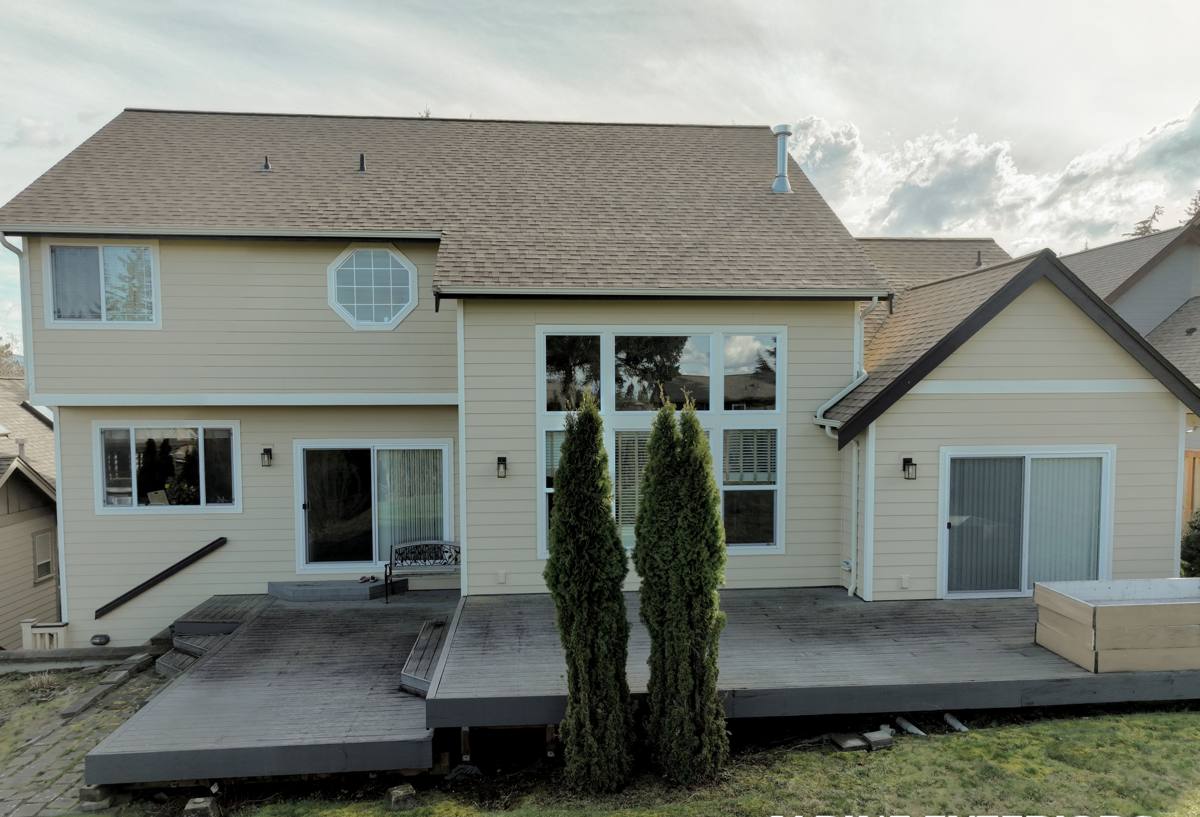
What Kenneth City Homes Need From a Deck
Most of the deck problems we get called out to fix in this area trace back to the same handful of causes: fasteners that weren't rated for coastal exposure, ledger board connections that let water sit against the house, decking installed without gaps for drainage and airflow, and railings anchored with hardware that corrodes faster than the wood or composite around it. None of these are exotic failures — they're the predictable result of building to a generic spec instead of a coastal one.
A correctly built deck in this area has to manage three things simultaneously: shed water fast, resist corrosion in every hidden connection, and stay stable under wind loads that spike during named storms and even ordinary summer squalls. Get any one of those wrong and the deck will still look fine for a year or two before the real problems show up — usually in the framing you can't see rather than the decking boards you can.
Sun and Heat
Florida sun is hard on any exposed material, but decking takes it worse than most because it's horizontal and fully exposed all day. UV breaks down wood fibers and can fade or chalk lower-grade composite boards over time. Board spacing, fastener choice, and even which way boards run relative to the sun all affect how evenly a deck ages.
Wind-Driven Rain and Humidity
Rain here rarely falls straight down. Wind pushes it sideways and underneath structures, which means drainage and airflow under the deck matter as much as what's on top. Standing water under a deck, or moisture trapped against a ledger board, is where rot and mold start — usually invisible until a board or post starts to feel soft.
Salt Air and Corrosion
Even away from the immediate coastline, salt in the air accelerates corrosion on screws, joist hangers, and structural connectors. A fastener that's fine in a landlocked state can start rusting within a couple of seasons here if it isn't rated for the exposure.
Framing, Fasteners, and Footings: The Part You Don't See
The decking surface is what a homeowner looks at, but the framing underneath is what determines whether the deck is still safe in ten years. We build to hold up under Pinellas County's wind and moisture conditions, which means:
- Stainless steel or coated/corrosion-resistant fasteners and structural connectors — not standard galvanized hardware that wasn't rated for coastal exposure
- Joist hangers and hurricane ties sized and placed to meet current wind load requirements for the area
- Ledger board flashing detailed to keep water from getting trapped against the house's exterior wall
- Footings sized and set to local code depth, accounting for Florida's soil and water table conditions
- Proper board spacing and airflow underneath to let the structure dry out after rain instead of holding moisture
Permitting and inspection requirements apply to most deck construction in Pinellas County, and for good reason — a deck is a structure people stand, sit, and gather on, and the framing decisions made at the start are much harder (and more expensive) to correct once decking is installed on top.
Choosing a Decking Material
There's no single "best" decking material — the right choice depends on budget, how much upkeep you want to take on, and how the deck will be used. Here's how the common options compare for a coastal Pinellas County setting:
| Material | Upfront Cost | Maintenance | How It Handles This Climate |
|---|---|---|---|
| Pressure-treated wood | Lowest | Annual sealing/staining recommended | Needs consistent upkeep to resist UV fading, moisture, and warping; the most affordable option if you're willing to maintain it |
| Composite decking | Mid-range to higher | Occasional washing, no sealing/staining | Resists rot and fading well; quality varies significantly by product line, so we're selective about which composites we install |
| PVC/cellular decking | Highest | Lowest — mostly just cleaning | Fully resists moisture absorption and insect damage; performs well in high-humidity, high-UV conditions but costs the most |
| Tropical hardwoods (e.g., ipe) | High | Periodic oiling to maintain color | Naturally dense and rot-resistant; heavy and requires careful fastening but ages well outdoors |
We'll walk through these tradeoffs honestly during your estimate rather than pushing whatever has the best margin. Some composite products handle Florida sun and moisture better than others, and we only install lines we've seen hold up — not just what a brochure claims.
Railings, Stairs, and Attachment Points
Railings and stair stringers take a different kind of abuse than the deck surface — they get grabbed, leaned on, and hit with wind loads directly. Attachment hardware at these points needs the same corrosion resistance as the framing, and post connections need to be solid enough that the railing doesn't develop play over time. Loose railings are one of the most common complaints we hear about decks built by crews unfamiliar with coastal fastening requirements, and it's almost always a hardware and connection issue rather than a design flaw.
How We Approach a Deck Project
Every custom deck we build in the Kenneth City area follows the same basic sequence, adjusted for the specifics of your property:
- On-site assessment — we look at the house's ledger connection point, grade and drainage around the proposed footprint, sun exposure, and how you actually plan to use the space
- Design and material selection — sizing, layout, and material recommendations based on budget, maintenance preference, and how the deck will hold up in this climate
- Permitting — we handle the permit and engineering documentation required for the structure and its footings
- Framing and footings — the structural work that determines the deck's long-term stability, done to code and to coastal-durability standards, not just minimum spec
- Decking, railing, and finish work — installed with attention to drainage, spacing, and fastener placement
- Final walkthrough — we go over care and maintenance expectations specific to whatever material you chose
Maintaining a Deck in a Coastal Climate
No decking material is entirely maintenance-free in this environment, but the maintenance burden varies a lot by material and by how the deck was built in the first place. A few habits that make a real difference regardless of material:
- Sweep debris off the deck regularly — trapped leaves and organic matter hold moisture against the surface
- Check railing posts and stair connections once or twice a year for looseness or corrosion at fastener points
- Rinse salt residue off the deck periodically if you're closer to the water, especially after storms
- Reseal or restain wood decking on the schedule the product calls for — skipping a cycle accelerates UV and moisture damage
- Keep the area underneath the deck clear so air can circulate and moisture can escape
- Address any soft spots, discoloration, or fastener rust immediately rather than waiting for a bigger repair
Why Local Experience in Kenneth City Matters
A deck built to a generic national spec will look identical to a properly built one on the day it's finished. The difference shows up two or three years later, when hardware rated for a drier climate starts to fail, or when a ledger board that wasn't flashed correctly lets water into the house's wall framing. Crews who work regularly in the St. Petersburg and greater Pinellas County area have already seen which shortcuts cause problems here, and build around them from the start instead of learning the hard way on your project. That local track record is worth more than a lower bid from a crew building to a different climate's standards.
If you're considering a custom deck for your Kenneth City property, we're happy to walk the site, talk through material options honestly, and put together a free, no-pressure estimate — just fill out the form below to get started.