 St. Petersburg
 Siding Repair Built for Crescent Lake's Older Homes
Crescent Lake is one of St. Petersburg's established, tree-canopied neighborhoods, and that history shows up in its housing stock. Many homes here were built decades before today's fiber cement and vinyl products existed, which means the siding on them today is often a patchwork: original wood lap siding, a vinyl re-side from the 1990s or 2000s, or a mix of both after partial repairs over the years. That variety matters when something needs fixing. A repair crew that doesn't know the difference between what's actually failing and what just looks old can end up replacing more than necessary, or patching in a way that doesn't match or perform.
We work in Pinellas County neighborhoods like this one regularly, which means we've seen how these specific housing types age under Tampa Bay's climate. That's the advantage of hiring a local crew for a local repair: we're not guessing at what's under the surface, and we're not learning the neighborhood on your dime.
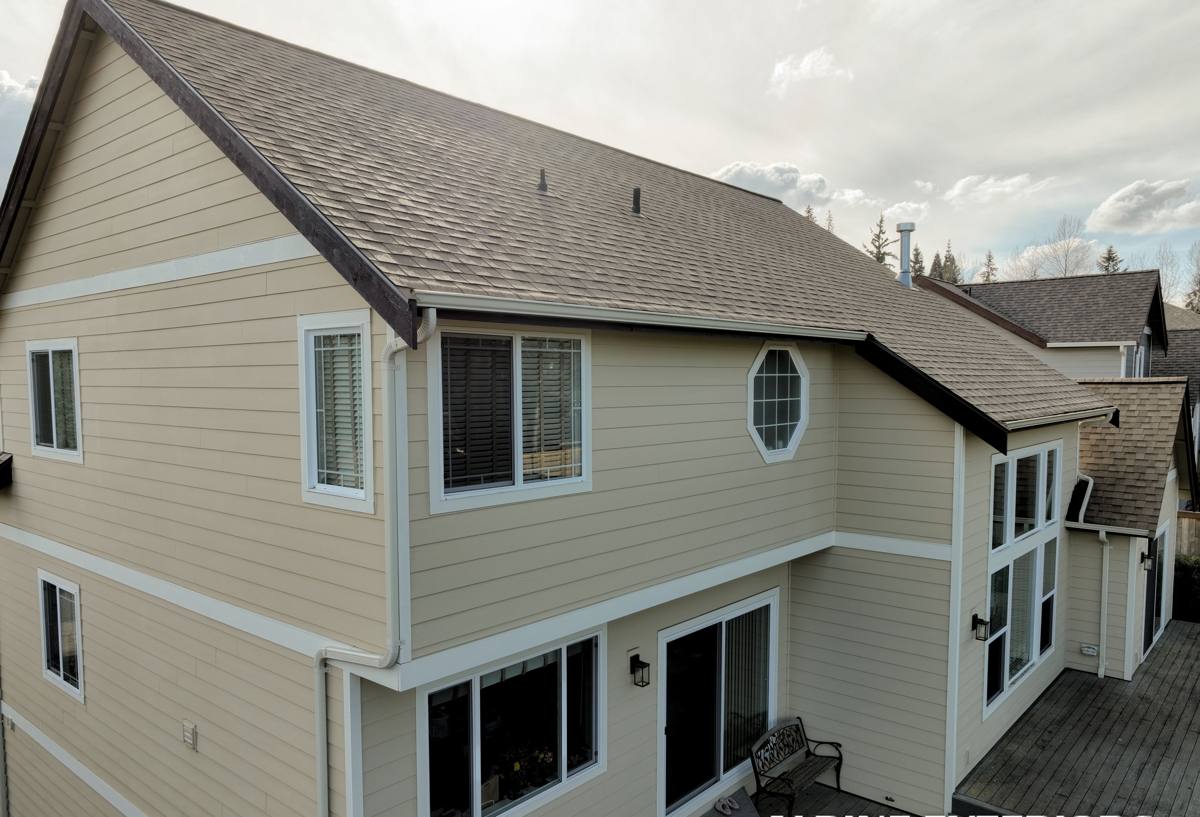
Why Crescent Lake Siding Takes More Damage Than People Expect
St. Petersburg's climate is hard on exterior materials in ways that aren't always obvious from the street. Crescent Lake's mature tree canopy is part of what makes the neighborhood attractive, but it also means more shade, more moisture retention against north- and east-facing walls, and more debris and organic buildup in siding seams than a home on an open lot might see. Add in the broader regional conditions — hurricane-force wind events, intense UV exposure nearly year-round, wind-driven rain that gets pushed sideways into joints and trim, and the slow corrosive effect of salt air this close to the coast — and it's easy to see why siding here fails faster than manufacturers' generic estimates suggest.
The result is a specific set of problems we see over and over on Crescent Lake service calls:
- Soft or delaminating spots on original wood siding where shaded, damp areas never fully dry out between rains
- Buckled or warped vinyl panels from repeated heat cycling and wind uplift
- Cracked caulk joints and gaps around trim that let wind-driven rain track behind the siding
- Paint and finish failure on south- and west-facing walls from sustained UV exposure
- Corroded or loosened fasteners, especially on homes within a few miles of the water
- Hidden moisture damage to sheathing behind siding that looks fine from the outside
What a Correct Siding Repair Actually Involves
Diagnosis Before Demolition
A proper repair starts with figuring out why the siding failed, not just where. If a section is soft or stained, we check whether the cause is a failed seal, a flashing issue, a gutter problem dumping water where it shouldn't be, or simple age and sun exposure. Repairing the visible siding without addressing the cause just guarantees the same failure returns in a year or two — which is a common shortcut we won't take.
Checking What's Underneath
Any time we open up a damaged section, we inspect the sheathing and framing behind it before closing anything back up. In a humid, high-rain climate like St. Petersburg's, water that's been getting behind siding for even a short time can soften wood sheathing or invite rot that isn't visible from outside. Repairing over hidden damage is one of the most common ways siding repairs fail early.
Matching Material and Method
On mixed-material homes, especially older Crescent Lake properties, matching an existing product correctly matters. Vinyl repairs need panels from a compatible profile and color run, since sun-faded vinyl rarely matches new stock exactly. Wood siding repairs need species-appropriate material, correct fastening, and a finish system that will actually hold up outdoors here, not indoors-rated products stretched to do a job they weren't built for.
Where We Stand on Materials
We install James Hardie fiber cement exclusively for new siding and full-side replacements. We don't install vinyl, LP SmartSide, Cemplank, Allura, or primed wood products — not because those materials have no merit, but because we've made a professional decision to standardize on one system we can install, warranty, and stand behind with full confidence. Vinyl is affordable and low-maintenance in mild climates, but it softens and can warp under sustained heat and wind uplift, and it has real limits in a hurricane-wind environment. Wood siding can look great, but it demands a maintenance schedule most homeowners underestimate, especially in a climate this humid.
For a straightforward repair on siding you already have, we'll repair what's there using appropriate matching materials and correct technique — that's often the right call for a small area, especially on a budget or a home headed toward a future full re-side. When damage is extensive, recurring, or spread across multiple elevations, we'll tell you honestly if patching no longer makes sense and a full re-side in James Hardie is the more durable long-term investment. We won't talk you into a full replacement you don't need, and we won't pretend a patch will hold if it won't.
Repair vs. Full Re-Side: How to Tell Which You Need
| Situation | Repair Usually Makes Sense | Full Re-Side Worth Considering |
|---|---|---|
| Damage extent | Isolated to one or two sections/elevations | Spread across most of the home |
| Underlying cause | One-time event (impact, isolated flashing failure) | Systemic issue — age, chronic moisture, widespread UV breakdown |
| Material availability | Matching panels/boards still obtainable | Discontinued profile or badly faded color mismatch |
| Sheathing condition | Sound, dry framing behind the damage | Rot or moisture found in multiple areas |
| Home's siding age | Under 10-15 years, otherwise in good shape | Original siding is decades old or near end of service life |
A Practical Pre-Estimate Checklist
- Note which elevations show visible damage (especially north/east shaded walls and south/west sun-exposed walls)
- Check for soft spots by pressing gently on suspect areas — don't force it, just note where it gives
- Look at gutter and downspout function nearby; overflow is a common hidden cause of localized siding rot
- Photograph problem areas in daylight before we arrive, if you're able
- Note how long the damage has been visible — sudden vs. gradual matters for diagnosis
How Our Process Works for a Crescent Lake Repair
We start with an on-site inspection, not a phone estimate, because siding damage in a humid, wind-exposed market like St. Petersburg almost always has a story behind it that you can't fully assess from a description. We walk the affected areas, open up sections where needed to check for hidden moisture, and give you a straight answer on repair versus replacement along with the reasoning behind it. If repair is the right call, we handle matching, sourcing, and installation with attention to the same flashing and sealing details that should have been right the first time. If a full re-side turns out to be the smarter move, we'll walk you through what James Hardie's HZ5 product line offers for this climate zone and what correct installation looks like.
Because we work this area regularly, we're not treating your street as unfamiliar territory. We know what Pinellas County wind and moisture do to siding over time, and we price and schedule work with that local reality in mind rather than a generic national estimate.
Why Hiring Local Matters More Than It Sounds
Siding repair is one of those jobs where a crew's familiarity with your specific area actually changes the outcome. A contractor who mostly works inland, or in a different climate zone entirely, may not immediately recognize how St. Petersburg's combination of humidity, salt air, and storm-driven wind accelerates certain failure patterns. A crew that works Crescent Lake and the surrounding St. Petersburg neighborhoods regularly has already seen how these homes age, which shortens diagnosis time and reduces the chance of a repair that looks fine for a season and fails again the next.
There's also a simple accountability argument: a contractor based in and working this community has a reason to stand behind the work long after the invoice is paid, because they're not disappearing to the next region over.
What Homeowners Should Watch For After a Repair
Even a correctly done repair benefits from a little homeowner attention afterward. Keep an eye on the repaired area and its surroundings over the following rainy season — check that caulk lines stay intact, that paint or finish isn't blistering, and that nearby gutters are still directing water away from the wall rather than onto it. Catching a small issue early is always cheaper and less disruptive than waiting for it to become a large one, especially in a climate that doesn't give damaged siding any time off.
If you're seeing soft spots, buckling, cracked caulk, or fading trouble on your Crescent Lake home, we're happy to take a look and give you an honest read on what it needs. Reach out for a free, no-pressure estimate using the form below.