 St. Petersburg
 Crescent Lake's Housing Stock Puts Real Demands on Siding
Crescent Lake is one of St. Petersburg's older, tree-canopied neighborhoods, built out over decades with a mix of bungalows, Mediterranean Revival homes, mid-century ranches, and newer infill construction wrapped around the park itself. That variety matters when you're picking a siding material. A product that looks right on a 1920s bungalow with deep eaves and wood trim detail needs to hold that character for decades, not just look good in the first year. Fiber cement is one of the few materials that can be trimmed, painted, and profiled to match older architectural lines while still performing like a modern product underneath.
At the same time, mature oak canopy that makes Crescent Lake attractive also means more shade, more moisture retention against exterior walls, and more debris load on siding and trim than you'd get on an open, treeless lot. Siding here has to handle both the neighborhood's character and its microclimate.
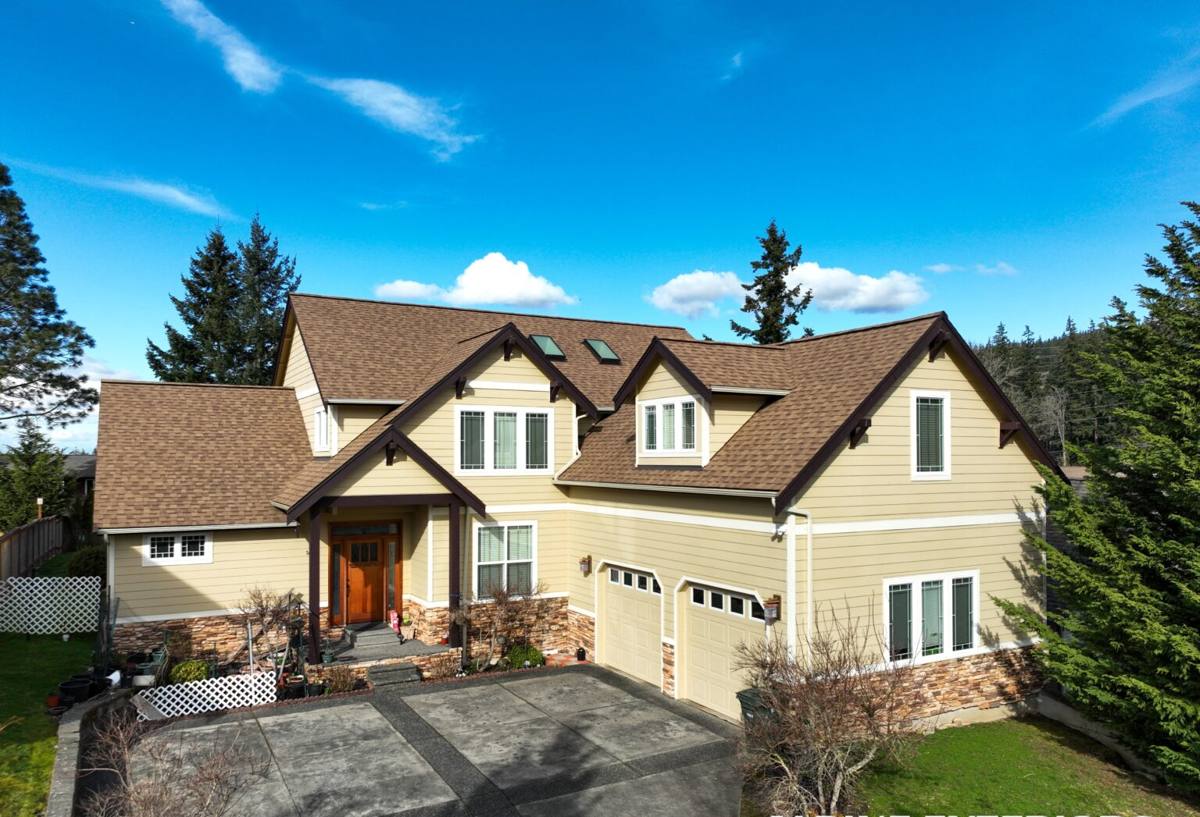
What Pinellas County's Climate Actually Does to Siding
St. Petersburg sits on a peninsula, and Pinellas County homes take a combined beating that inland Florida properties don't see to the same degree: hurricane-force wind events, intense year-round UV exposure, wind-driven rain that gets pushed sideways into wall assemblies, and salt-laden air moving in off Tampa Bay and the Gulf. None of these alone is unusual for Florida, but together, over years, they expose the weak points in cheaper or improperly installed siding fast.
- Wind-driven rain forces water up and under lap siding at seams, corners, and penetrations if flashing and laps aren't done correctly.
- UV exposure breaks down cheap coatings and unstable substrates, leading to fading, chalking, and surface degradation years before a well-engineered product shows wear.
- Salt air accelerates corrosion on fasteners and trim hardware that isn't rated for coastal exposure.
- Humidity and shade (a bigger factor under Crescent Lake's tree cover) keep moisture in contact with siding longer, which is a problem for any material that isn't dimensionally stable when wet.
Siding for this neighborhood needs to resist all four at once, indefinitely, without babying.
Why We Install Only James Hardie Fiber Cement
We don't install vinyl, LP SmartSide, primed wood, cedar, or other fiber cement brands like Cemplank or Allura. That's a deliberate standard, not a sales pitch. Fiber cement as a category resists fire, doesn't attract wood-boring insects, and holds paint and color far longer than wood or engineered wood products. Within fiber cement, James Hardie is the brand we've standardized on because of how the product is engineered and backed:
- HardieZone HZ5 formulation — Hardie engineers its siding for specific climate zones, and Gulf Coast Florida falls into the zone built to handle high humidity and moisture cycling rather than a generic one-size-fits-all mix.
- ColorPlus factory-applied finish — baked-on, UV-cured color that resists fading far better than field-applied paint, which matters under Pinellas County's sun load.
- Non-combustible core — a real consideration on close-set older lots.
- Long transferable warranty backing the product itself when installation follows Hardie's specifications.
Vinyl softens and warps in sustained heat and can crack in wind events. LP SmartSide and primed wood substrates rely on unbroken paint film to keep moisture out — once that film is compromised by UV or a missed touch-up cycle, the substrate underneath is vulnerable in a way cement board isn't. We'd rather put one product on every home and know exactly how it performs over 20 years than juggle multiple systems with different failure modes.
What a Correct Fiber Cement Job Actually Involves
Fiber cement siding fails prematurely almost exclusively because of installation shortcuts, not the material itself. In a wind-driven-rain climate like St. Petersburg's, the details most homeowners never see are the ones that determine whether siding lasts 10 years or 40.
Before the First Board Goes Up
Old siding and trim come off, and the wall sheathing gets inspected for rot or moisture damage that's been hiding underneath — common on older Crescent Lake homes where original wood siding or aging replacement siding has been sitting for decades. A weather-resistive barrier goes on correctly lapped, and flashing is installed at every window, door, and penetration before siding touches the wall.
During Installation
- Proper starter strip at the base so the first course sits at the correct angle.
- Correct nail pattern and fastener type — Hardie specifies blind- or face-nailing details, and using the wrong fastener or spacing voids warranty protection and invites water intrusion.
- Minimum clearance from grade, roofline, and decking so siding isn't sitting in standing water or chronic splashback.
- Butt joints and corners sealed and caulked per manufacturer spec, not just for looks but to block wind-driven rain at the seams.
- Proper gapping at doors, windows, and trim to allow for the board's minor expansion and contraction without buckling.
Skip any one of these and the siding can look fine for a season or two while quietly failing behind the surface — which is exactly the kind of problem that shows up as a costly repair a few hurricane seasons later.
Our Process for Crescent Lake Projects
- On-site walkthrough — we look at your home's current siding condition, trim detail, roofline, and any moisture or rot signs before quoting anything.
- Honest scope and estimate — full tear-off versus sectional replacement, trim and flashing needs, and product line recommendation based on your home's exposure and architectural style.
- Substrate check during tear-off — if sheathing is compromised, we flag it and address it before new siding goes on, not after.
- Installation to Hardie spec — fastening, flashing, and clearances done to manufacturer requirements so the warranty is actually valid, not just on paper.
- Final walkthrough — trim lines, caulking, and paint/color consistency checked before we call it done.
Because we work regularly in St. Petersburg neighborhoods like Crescent Lake, we already understand the mix of older framing, mature landscaping that complicates access, and the HOA or historic-character expectations that come with these blocks — so the estimate and the finished product both account for that from the start, rather than getting figured out mid-project.
Cost Factors for Crescent Lake Projects
Every home is different, but the same handful of variables drive most of the cost swing on a fiber cement project in this area:
| Factor | Why It Matters Here |
|---|---|
| Tear-off vs. new construction | Older Crescent Lake homes usually need full removal of existing siding and a sheathing inspection, which adds labor versus a bare-wall install |
| Trim and architectural detail | Bungalow and Mediterranean Revival trim profiles take more cutting and fitting time than a simple ranch elevation |
| Home access and lot layout | Mature trees and tighter older-neighborhood lots can slow staging and material handling |
| Product line and profile | Lap width, shingle-style siding, and panel systems carry different material costs |
| ColorPlus vs. field paint | Factory-finished color costs more upfront but removes a repaint cycle from your maintenance timeline |
| Underlying repairs | Rotted sheathing or damaged flashing found during tear-off adds scope, but skipping it just delays the cost |
What to Expect After Installation
Fiber cement is low-maintenance compared to wood or vinyl, but "low-maintenance" doesn't mean "no maintenance," especially this close to the water. A short annual routine keeps a Crescent Lake installation performing the way it's designed to:
- Rinse siding periodically to clear salt residue and pollen buildup, especially on north- and west-facing walls under tree cover.
- Inspect caulking at trim, corners, and penetrations yearly, and re-caulk any cracked or shrunken joints before rainy season.
- Trim back tree limbs and shrubs that stay in constant contact with siding, which traps moisture against the board.
- Check gutters and downspouts to make sure water isn't discharging directly against the wall line.
- After any major wind event, do a visual check for cracked boards or lifted trim rather than waiting for the next scheduled look.
Why Local Installation Experience Matters
Fiber cement performs exactly as well as the crew installing it. A crew that's worked plenty of homes around St. Petersburg's older neighborhoods already knows how to handle original wood trim details, how much clearance a given roofline needs in a wind-driven-rain climate, and what a Pinellas County wall assembly looks like when it's been slowly taking on moisture for years without anyone noticing. That experience shows up in the small decisions — fastener choice, flashing sequence, where extra caulking earns its keep — that a generic install doesn't account for.
If you're weighing a siding replacement for a Crescent Lake home, we're glad to walk the property, look at what's there now, and give you a straight assessment of what it needs. Reach out for a free, no-pressure estimate — there's a form right below this page to get started.