 St. Petersburg
 Building a Deck That Holds Up in Crescent Lake's Climate
Crescent Lake is one of the older, tree-lined neighborhoods near the heart of St. Petersburg, and the homes here range from restored bungalows to newer infill construction, many sitting on lots with mature oaks that shade part of the yard while leaving the rest exposed to full sun most of the day. A custom deck in this part of Pinellas County has to do more than look good in a rendering. It has to survive intense, near-constant UV exposure, sudden wind-driven rain, the humidity that never really lets up from late spring through early fall, and the salt-laden air that drifts inland from Tampa Bay and the Gulf. Add hurricane-force wind events into the mix, and a deck that was framed or fastened as an afterthought will show it within a few seasons — cupped boards, rusted hardware, loose railings, or worse, a structure that wasn't actually built to hold up under wind uplift.
None of that means building here is unusually difficult. It means the details that get skipped on a generic deck job — fastener grade, ledger attachment, footing depth, board spacing — are exactly the details that matter most in this climate. We build custom decks for St. Petersburg homeowners with those local conditions treated as the starting point, not an afterthought.
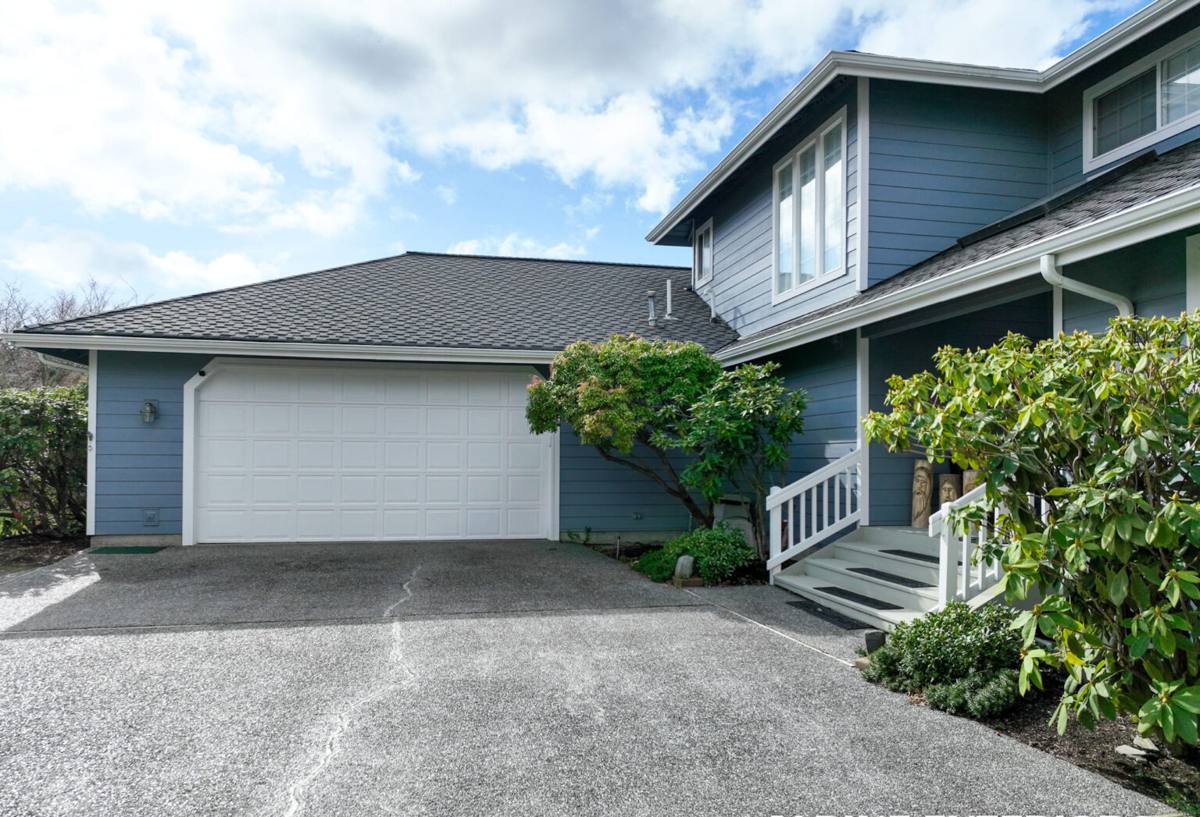
What Crescent Lake Homes Typically Need From a Deck
Because the neighborhood mixes older homes with updated additions, decks here usually fall into one of a few categories:
- A rear deck off a kitchen or living area addition, tying into a home that wasn't originally built with outdoor living space in mind
- A shaded deck under or near mature tree canopy, where moisture retention and organic debris are bigger concerns than raw sun exposure
- An open, sun-exposed deck on a smaller urban lot, where UV and heat buildup on the decking surface are the main design drivers
- A raised or multi-level deck working around Florida's typically flat-to-mildly-graded lots and slab foundations
Each of these calls for slightly different decisions on material, drainage, and structure. A deck tucked under oak canopy needs better airflow underneath and decking that won't hold moisture against mildew and algae. A fully exposed deck needs a surface that won't become uncomfortably hot underfoot or fade unevenly. We walk every property before we design anything, because the right deck for a shaded lot near the lake and the right deck for an open, sunnier lot a few blocks over are rarely the same spec.
Choosing the Right Decking Material
Wood, Composite, and PVC — Honest Trade-Offs
There's no single "best" decking material for St. Petersburg — there's a best material for your budget, your maintenance appetite, and how much sun or shade your specific deck will see. We'll walk you through the real trade-offs rather than pushing whatever has the best margin.
| Material | Upfront Cost | Maintenance | How It Handles Local Climate |
|---|---|---|---|
| Pressure-treated wood | Lowest | Annual cleaning, periodic sealing/staining | Prone to cupping, splintering, and fastener corrosion if hardware isn't matched to the treatment chemicals; needs consistent upkeep in high humidity |
| Tropical hardwood (e.g., ipe) | High | Periodic oiling to maintain color; low rot risk | Very dense and durable, handles moisture well, but installation is unforgiving — pre-drilling and fastener choice matter a lot |
| Composite decking | Mid to high | Occasional washing; no sealing or staining | Resists rot and insects well; quality varies a lot by product line, and cheaper composites can fade or hold heat more than expected in full sun |
| Capped PVC decking | Highest | Lowest — mostly washing | Best moisture and UV resistance of the common options; performs well near the coast, though it can run noticeably hot underfoot in unshaded spots |
Our default recommendation for fully sun-exposed decks in the area is a quality composite or capped PVC product, because the combination of intense UV and summer humidity is exactly what those materials are engineered to resist. For shaded, tree-covered decks where heat isn't the concern but moisture and organic buildup are, a well-installed hardwood or a mid-grade composite can be the more cost-effective choice. We don't install every material on the market — when we steer a homeowner away from a product, it's because we've seen how it performs (or doesn't) in fastener corrosion, warping, or warranty claims specific to Gulf Coast humidity and salt air, not because of any brand rivalry.
Railings and Hardware
Railing material and fastener grade matter as much as the decking itself. Standard zinc-coated screws and brackets corrode faster near the coast and in humid, shaded yards than most homeowners expect. We spec stainless steel or coated fasteners rated for coastal exposure, and we match railing hardware to whatever decking and framing material is going in, so you're not fighting galvanic corrosion between mismatched metals a few years down the road.
Framing, Fasteners, and Wind-Rated Construction
The part of a deck nobody sees is the part that determines whether it survives the next tropical storm or hurricane watch. In Pinellas County, that means:
- Ledger board attachment — where the deck ties into the house has to be flashed and fastened correctly, or it becomes the first failure point under wind load or wind-driven rain intrusion into the wall assembly
- Footing depth and post connections — footings need to be sized and set to local code, with post bases and hurricane ties rated for uplift, not just downward load
- Joist hangers and fastener spacing — under-fastened framing is one of the most common issues we find when repairing or replacing older decks in this area
- Corrosion-resistant hardware throughout — standard interior-grade fasteners have no place in a structure exposed to salt air and humidity year-round
A deck that looks finished on top but was framed with shortcuts underneath is one of the more common problems we get called out to fix. We build the structure to the same wind-load standard we'd want on our own home, not the minimum that happens to pass a quick inspection.
Permitting and Pinellas County Requirements
Most new or substantially rebuilt decks in St. Petersburg require a permit, with plans that account for local wind-load requirements and, depending on lot conditions, sometimes flood zone considerations. This isn't paperwork for its own sake — it's the mechanism that ensures the footing sizes, ledger attachment, and framing actually match what the structure will be asked to withstand. We handle the permitting process as part of the job: preparing the plans, submitting to the county, and coordinating inspections, so you're not the one chasing down approvals or guessing whether your contractor pulled the right permit.
Our Custom Deck Process
- On-site assessment — we walk your property, look at sun/shade exposure, drainage, tree canopy, and how the deck will tie into your home
- Design and material selection — we go over the honest trade-offs for your specific site and budget, not a generic package
- Permitting — plans prepared and submitted to Pinellas County, inspections scheduled around the build
- Framing and structural work — footings, ledger, framing, and hardware built to wind-rated standards
- Decking, railing, and finish work — installed per manufacturer spec, with attention to fastener placement and drainage
- Final walkthrough — we go over care and maintenance specific to the material you chose before we consider the job done
Keeping a Deck Looking Good Long-Term
Whatever material you choose, a little consistent care goes a long way in this climate. Wood decks need periodic cleaning and resealing to fight UV breakdown and mildew, especially in shaded yards near the lake where moisture lingers longer. Composite and PVC decks need far less upkeep, but they still benefit from regular washing to keep pollen, tree debris, and salt residue from building up on the surface and in the board gaps. Railings and fasteners are worth a visual check each year, particularly after hurricane season, since that's when loose hardware or storm debris damage tends to show up.
Why a Crew That Already Works Crescent Lake Matters
Building decks in this specific pocket of St. Petersburg means dealing with mature tree root systems near footings, tighter urban lots where staging materials takes planning, and the particular mix of shade and full sun that many Crescent Lake properties have on the same structure. A contractor who's worked these streets before isn't guessing at how a shaded deck under oak canopy will perform versus an open one two blocks away — they've already seen it. That local familiarity, combined with a structure built to Pinellas County's wind and moisture realities, is what separates a deck that's still solid in ten years from one that needs early repairs.
What to Ask Before You Hire a Deck Contractor
- Do you pull permits and handle inspections, or is that left to me?
- What fastener and hardware grade do you use, and is it rated for coastal exposure?
- Can you explain the trade-offs between the decking materials you're recommending, not just the price difference?
- How do you handle ledger board attachment and flashing where the deck meets the house?
- What does your warranty actually cover — materials, labor, or both?
- Have you built decks elsewhere in St. Petersburg or Pinellas County with similar lot conditions?
If a contractor can't give you straight answers to those questions, that's worth noticing before any contract gets signed.
If you're planning a new deck or need to replace one that's showing its age, we're happy to come take a look and talk through what makes sense for your property. Fill out the form below for a free, no-pressure estimate.