 St. Petersburg
 Windows on a Waterfront Street Take More Abuse Than Windows Inland
Coquina Key sits close to the water, and that changes what a window has to survive day to day. Salt-laden air drifts off the surrounding bay and canals and settles on everything — glass, frames, hardware, screens. Add Pinellas County's intense year-round UV, regular wind-driven rain, and the real chance of hurricane-force gusts, and you have one of the tougher environments in the state for a home's windows to hold up in. A window that would last two or three decades in a drier, inland climate can start failing in half that time here if it wasn't built and installed with this exposure in mind.
We work on homes throughout St. Petersburg, and Coquina Key is one of the neighborhoods where we see the clearest pattern: original or older replacement windows showing corrosion on hardware, clouded glass from failed seals, and frames that have gone soft or chalky years before a homeowner expected to think about replacement at all.
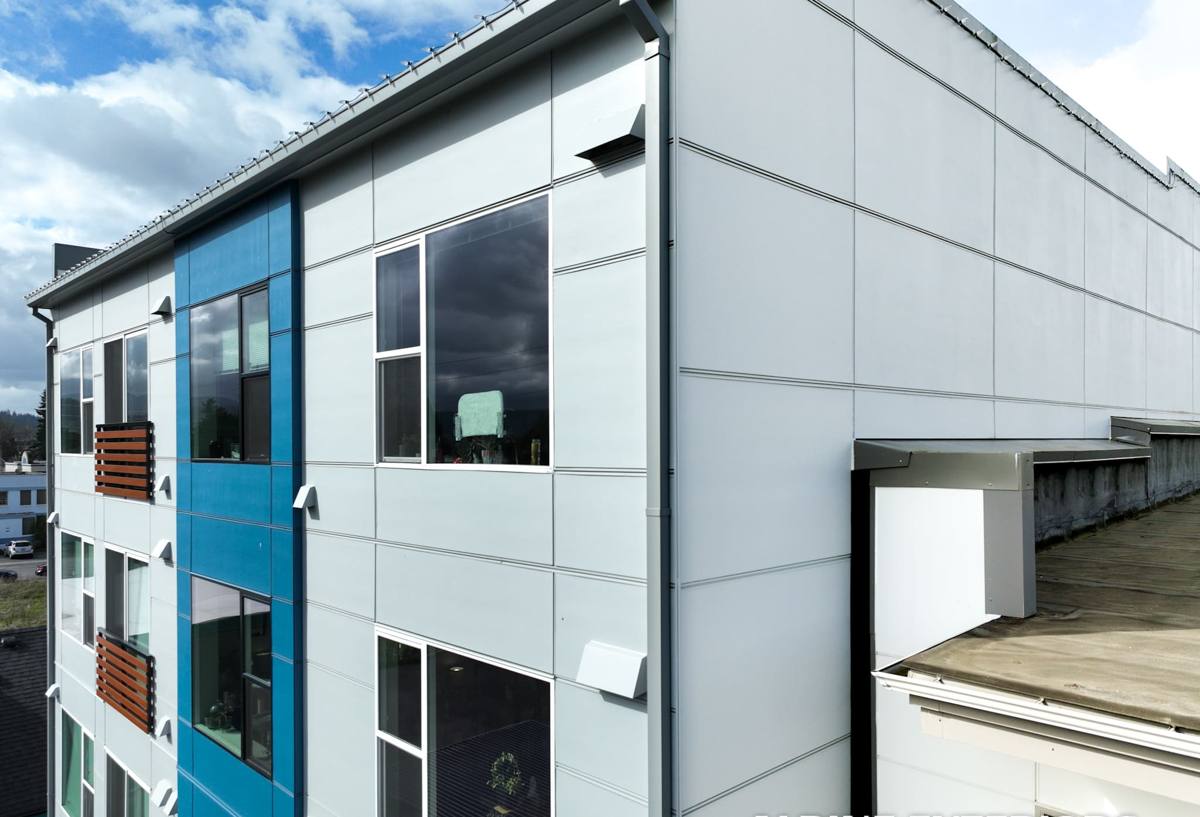
Signs a Coquina Key Home Needs Window Replacement
Some of these show up gradually, and homeowners get used to them before realizing they're actual problems rather than just quirks of an older house.
- Fogging or a permanent haze between panes of double-pane glass — the seal has failed and moisture is trapped inside the unit
- Windows that are hard to open, close, or lock, or that rattle in the wind
- Visible pitting, corrosion, or chalky white residue on aluminum frames — a common sign of long-term salt air exposure
- Warm or cold drafts near the frame even when the window is fully closed and locked
- Water staining on interior sills or the wall below a window after heavy rain
- Fading carpet, flooring, or furniture near south- or west-facing windows from years of direct UV
- Visibly cracked, brittle, or discolored caulking and weatherstripping around the frame
- Higher-than-expected cooling bills in a house that hasn't changed much otherwise
Any one of these on its own might just mean a repair. Several at once, especially on a home more than 15-20 years past its last window work, usually means the windows as a system are at the end of their useful life.
What a Correct Window Replacement Actually Involves
It's Not Just Swapping Glass
A window replacement done right is as much about what happens around the window as the window unit itself. The opening gets inspected for wood rot, moisture intrusion, or deteriorated framing before anything new goes in — installing a good window into a compromised opening just hides a problem instead of fixing it. Flashing and sealant details matter enormously in a wind-driven-rain climate like this one; a window that's watertight on a calm day can still leak during a sideways summer storm if the flashing wasn't lapped and sealed correctly around the rough opening.
Fastening and Structural Attachment
In a coastal wind zone, how a window is fastened into the structure is not cosmetic — it's what keeps the window in the opening during high winds and keeps pressure from building inside the house if the building envelope is breached elsewhere. We follow manufacturer installation instructions and Florida Building Code requirements for anchoring, spacing, and fastener type, which vary depending on the substrate (wood frame, block, or stucco-over-block, all common around St. Petersburg).
Sealing Against Salt Air and Moisture
Because Coquina Key homes deal with near-constant humidity and airborne salt, we pay particular attention to sealant quality and hardware selection — corrosion-resistant fasteners and hardware hold up far longer than standard-grade parts this close to the water.
Choosing the Right Window for a Waterfront-Adjacent Home
Frame material and glass package both matter more here than they would inland. Every option below can work in Coquina Key — the right choice depends on the home's exposure, budget, and how much upkeep the homeowner wants to take on.
| Frame Material | Salt Air / Moisture Behavior | Maintenance | Typical Trade-Off |
|---|---|---|---|
| Vinyl | Won't corrode or rust; handles humidity well | Low — occasional cleaning | Frame color/style options more limited than other materials |
| Aluminum | Strong, but standard-grade hardware and fasteners can corrode near salt air over time | Moderate — benefits from corrosion-resistant hardware and periodic inspection | Slimmer sightlines, but needs the right hardware spec for this environment |
| Fiberglass | Very stable in heat and humidity; resists warping | Low | Higher upfront cost than vinyl |
| Wood / Wood-clad | Attractive but vulnerable to moisture and rot without diligent upkeep | High — requires regular painting/sealing | We generally steer waterfront-adjacent homeowners away from this unless clad and well-protected, given the maintenance burden in this climate |
Impact-Rated vs. Standard Glass
Impact-rated windows use laminated glass with an interlayer that holds the glass together even when the outer pane is broken by wind-borne debris. In a storm, this keeps the opening protected without needing separate shutters or panels. Standard (non-impact) windows cost less but require a separate approved shutter or panel system to meet Florida's wind-borne debris protection requirements in this region. Many Coquina Key homeowners choose impact glass specifically because it's protection that's already in place — nothing to install, store, or put up before a storm.
Low-E Glass and UV
Given how much direct sun this area gets year-round, a Low-E (low-emissivity) coating on the glass is worth the modest upcharge almost every time. It cuts down on UV-driven fading of interior furnishings and reduces solar heat gain, which takes some load off the air conditioning system during Florida's long cooling season.
Our Process, Start to Finish
- Free on-site estimate. We look at the actual openings, current window condition, sun exposure, and any moisture or framing issues before quoting anything.
- Product and glass selection. We walk through frame material and glass package options based on your budget and how exposed the home is to sun, wind, and salt.
- Measuring and ordering. Openings are measured precisely; windows are ordered to those exact dimensions.
- Opening inspection and prep. Before install day, any rot, damaged framing, or old sealant is identified and addressed rather than built over.
- Removal and installation. Old units come out, new units go in, plumb and square, with proper flashing, fastening, and sealant at every opening.
- Final inspection and cleanup. We check operation, sealing, and appearance on every window before we consider the job done, and clean up the work area.
- Permitting, where required. We handle the paperwork with the local building department so the job is inspected and documented correctly.
What Affects the Cost
| Factor | Why It Matters |
|---|---|
| Impact vs. standard glass | Impact-rated laminated glass costs more per window but removes the need for separate shutters or storm panels |
| Frame material | Vinyl is typically the most budget-friendly; fiberglass and higher-end aluminum systems cost more |
| Window size and configuration | Larger openings, sliders, and picture windows cost more than standard single/double-hung units |
| Number of openings | Whole-house replacement usually has a better per-window cost than replacing a few at a time |
| Condition of the existing opening | Rot or framing repair needed before install adds labor and material cost |
| Permitting requirements | Permit and inspection fees vary by scope and are set by the local building department, not by us |
We give straightforward, itemized estimates so you can see what's driving the number, rather than a single lump figure.
Permits and Code in St. Petersburg and Pinellas County
Window replacement in this part of Florida is governed by the Florida Building Code's requirements for coastal wind-borne debris regions, and most jurisdictions in Pinellas County, including St. Petersburg, require a permit and inspection for window replacement work. Requirements can depend on the home's specific wind zone and the scope of work. We manage this process as part of the job so homeowners aren't left figuring out paperwork or scheduling inspections on their own.
Why a Crew That Already Works Coquina Key Matters
Window installation quality varies a lot more with local conditions than most homeowners expect. A crew that mostly works drier, inland climates may not think twice about hardware corrosion resistance, flashing details for wind-driven rain, or the wind pressure ratings relevant to a home this close to open water. A crew that regularly works Coquina Key and similar St. Petersburg neighborhoods already knows what tends to fail here, what the local building department expects on permits and inspections, and how to spec a window that will actually hold up to salt air and Gulf Coast storms — not just look fine on installation day.
After Installation: Keeping Windows Performing in This Climate
- Rinse frames and glass periodically to clear salt residue, especially after storms or dry, windy stretches
- Check and lubricate hardware (locks, rollers, hinges) every so often so moving parts don't seize up
- Inspect exterior caulking and sealant annually and have any cracking addressed before it lets water in
- Keep an eye on window screens, which take real wear from sun and salt air and are cheaper to replace than to ignore
A little routine attention goes a long way toward getting the full expected lifespan out of new windows in a coastal environment like this one.
If your Coquina Key home has windows that are fogging, drafty, hard to operate, or just old enough that you're wondering, we're happy to take a look. Reach out for a free, no-pressure estimate using the form below — we'll assess your specific windows and exposure and give you a straight answer on what your home actually needs.