 St. Petersburg
 Window Installation in Childs Park: Built for the Neighborhood You Actually Live In
Childs Park is one of St. Petersburg's established residential neighborhoods, and like most of central Pinellas County, it's home to a real mix of housing ages and window conditions — older single-pane units original to the house, aluminum-frame replacements from decades past, and newer installs that were done right or done fast. Whatever's currently in your openings, the same regional forces are working against it every single day: intense sun, salty coastal air drifting in off Tampa Bay and the Gulf, sudden downpours that drive rain sideways, and the real possibility of hurricane-force wind loading during storm season. Window installation here isn't a cosmetic upgrade. It's a structural and weatherproofing decision that affects your energy bills, your home's dry interior, and how your house performs when a storm actually hits.
This page covers what Childs Park homeowners should know before replacing windows — what the climate demands, what a correct installation actually involves, and why local experience matters more than most people expect.
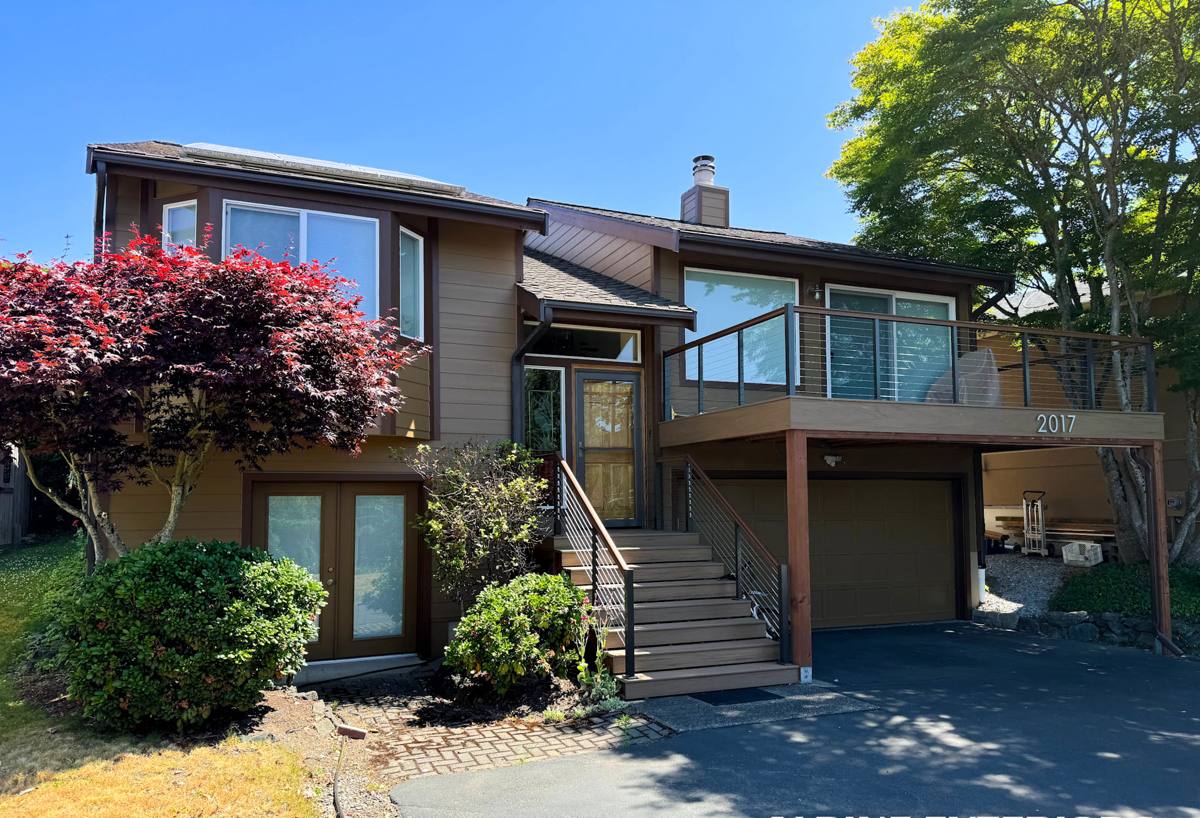
What St. Petersburg's Climate Does to Windows Over Time
Florida's Gulf Coast climate is hard on building materials in ways that inland regions never experience. A handful of factors compound year after year:
UV Exposure
St. Petersburg gets sun nearly every day of the year. That constant UV load breaks down vinyl frames, dries out old glazing putty and sealants, and fades or clouds lower-quality glass coatings over time. Windows that looked fine when installed can develop brittle seals and failed insulated glass units well before their expected lifespan.
Salt Air
Even well inland from the immediate coastline, salt-laden air moves through Pinellas County and accelerates corrosion on metal hardware — hinges, cranks, locks, and especially older aluminum frames. Corroded hardware is one of the most common reasons an otherwise intact window stops operating properly.
Wind-Driven Rain
Florida rain rarely falls straight down. During summer storms and tropical systems, wind pushes water sideways and upward against the building envelope, testing every seal and flashing detail around a window opening. A window that's watertight in a light rain can still leak badly under wind-driven conditions if it wasn't flashed correctly.
Hurricane-Force Wind Loads
Pinellas County sits in a wind-borne debris region under the Florida Building Code, meaning windows have to be engineered and installed to resist both sustained wind pressure and impact from flying debris. This isn't optional in coastal Pinellas — it's code, and it directly shapes what products and installation methods are appropriate for a Childs Park home.
Signs a Childs Park Home Needs New Windows
Not every window problem means full replacement, but these are the signals worth taking seriously:
- Visible fog, haze, or moisture trapped between glass panes (a failed insulated glass seal)
- Windows that are difficult to open, close, or lock, especially aluminum-frame units
- Soft, discolored, or bubbling drywall or wood trim around the window frame
- A noticeable draft or temperature difference near the window when the AC is running
- Visible daylight or gaps around the frame when the window is closed
- Rising energy bills without a clear explanation elsewhere in the home
- Frames that are cracked, chalky, pitted from corrosion, or warped
- Outside noise (traffic, neighbors, storms) coming through more than it used to
If you're seeing two or more of these, it's worth having the windows evaluated before the next storm season rather than after a leak shows up.
What a Correct Window Installation Actually Involves
Window installation quality is decided by details most homeowners never see once the trim is back on. This is where a lot of installs — done fast, done cheap, or done by a crew unfamiliar with Florida code — quietly fail.
Opening Prep and Inspection
Before a new window goes in, the existing opening needs to be checked for rot, water damage, and structural soundness. Installing a new window into a compromised opening just hides a problem behind a fresh frame.
Flashing and Weatherproofing
Proper flashing — sill pans, side flashing, and head flashing integrated correctly with the home's water-resistive barrier — is what actually keeps wind-driven rain out. This is the single most common corner cut in low-cost installations, and it's the reason "new" windows sometimes leak worse than the old ones they replaced.
Anchoring and Fastening
Impact-rated and hurricane-zone windows have specific fastener types, spacing, and embedment depth requirements tied to the window's engineering approval. Skipping or substituting fasteners can void the wind rating entirely, even if the window itself is a certified product.
Sealant and Insulation
The gap between the window frame and the rough opening needs to be properly insulated and sealed — not just caulked on the visible exterior trim. A gap packed poorly on the inside will still let air and moisture through even if the outside looks clean.
Final Testing and Cleanup
A finished install should operate smoothly, lock fully, and show no visible gaps. Trim and hardware should be reinstalled cleanly, and the work area left the way we found it.
Choosing the Right Window for a Childs Park Home
There's no single "best" window — the right choice depends on your home's age, your budget, and how much of the storm-code burden you want the window itself to carry versus using shutters or panels. Here's how the common options compare for this climate:
| Option | Wind/Impact Performance | Maintenance | Typical Trade-Offs |
|---|---|---|---|
| Impact-rated windows | Engineered to resist wind-borne debris and high wind pressure without separate shutters | Low — no external protection to install/remove per storm | Higher upfront cost; heavier glass and frames |
| Non-impact windows + code-rated shutters/panels | Meets code when shutters are properly deployed | Higher — shutters must be installed before every storm | Lower window cost, but relies on protection being used correctly every time |
| Aluminum frames | Strong, but prone to corrosion in salt air over time | Moderate — hardware needs periodic attention | Durable structurally, but shows coastal wear faster than other frame types |
| Vinyl frames | Good performance in quality impact-rated lines | Low — won't corrode | UV exposure can affect lower-grade vinyl over many years; quality varies widely by manufacturer |
Glass matters as much as the frame. Low-E coated, insulated glass units cut down on radiant heat gain, which matters a great deal for AC costs in a St. Petersburg summer, while laminated glass in impact-rated units is what actually holds the pane together under debris impact rather than just resisting the frame around it.
Permits, Codes, and Wind Ratings in Pinellas County
Window replacement in St. Petersburg is a permitted job, not a swap-it-yourself weekend project — and for good reason. Pinellas County's wind-borne debris region requirements mean replacement windows generally need documented wind and impact ratings appropriate to your home's location and elevation, along with proper permitting and inspection. This protects you in a few concrete ways:
- It confirms the product installed actually matches what your home's wind exposure requires
- It creates a documented record for insurance purposes, including potential wind-mitigation discounts
- It catches installation errors — like incorrect fastening or missing flashing — before they're hidden behind drywall and trim
A contractor who skips the permit to save time or money is passing that risk directly to you, both for storm performance and for any future insurance claim or home sale.
Our Window Installation Process
- On-site evaluation — We assess your existing windows and openings, discuss your goals (energy efficiency, storm protection, noise reduction, appearance), and take accurate measurements.
- Product selection — We walk through frame material, glass, and wind-rating options suited to your home and budget, with straightforward trade-offs — no upselling products your home doesn't need.
- Permitting — We handle the permit process with the city so the job is documented and inspected properly.
- Removal and opening prep — Old windows come out carefully, and we inspect and address any rot or damage found in the opening before anything new goes in.
- Installation — Correct flashing, code-compliant anchoring, and proper insulation and sealant, following the window manufacturer's engineered installation instructions.
- Final walkthrough — We test every window with you, confirm smooth operation and a clean finish, and make sure the job passes inspection.
Why Hiring a Crew That Already Works in Childs Park Matters
Window installation done well in Pinellas County requires more than general carpentry skill — it requires familiarity with local code requirements, the specific wind-borne debris standards that apply in this area, and how St. Petersburg's older housing stock typically has its openings framed. A crew that regularly works in and around Childs Park and the surrounding St. Petersburg neighborhoods has already dealt with the common surprises: older wood-frame openings that need extra prep, mismatched rough opening sizes from prior remodels, and the realities of coordinating permits and inspections with the city. That experience shows up in fewer surprises during the job and a result that actually performs the way it's supposed to during the next tropical storm or hurricane, not just on a calm, dry day.
Caring for New Windows in a Coastal Climate
Once your new windows are in, a small amount of upkeep goes a long way in this climate:
- Rinse frames and glass periodically to remove salt residue, especially after storms
- Lubricate locks and cranks on operable windows to prevent corrosion from setting in
- Inspect exterior caulking annually and have any cracking or separation addressed early
- Keep an eye on interior sills after heavy rain for any sign of water intrusion
Catching small issues early is far cheaper than dealing with water damage that's had months or years to work into the wall structure.
If your Childs Park home has windows that are drafty, foggy, hard to operate, or simply due for a storm-ready upgrade, we're happy to take a look. Reach out for a free, no-pressure estimate using the form below — we'll walk the property, answer your questions honestly, and give you a clear picture of your options before you decide anything.