 St. Petersburg
 Window Installation for Bartlett Park Homes
Bartlett Park sits in the heart of St. Petersburg, and like most neighborhoods in this part of Pinellas County, its homes take a beating from the same handful of climate factors year after year: intense UV exposure, wind-driven rain, salt-laden air off the Gulf and Tampa Bay, and the constant risk of hurricane-force wind events during storm season. Windows are one of the first parts of a house to show that wear, and one of the most expensive to get wrong. This page covers what window installation actually involves for a home in this area, what separates a correct installation from a rushed one, and why working with a crew that already knows this neighborhood matters more than it might seem.
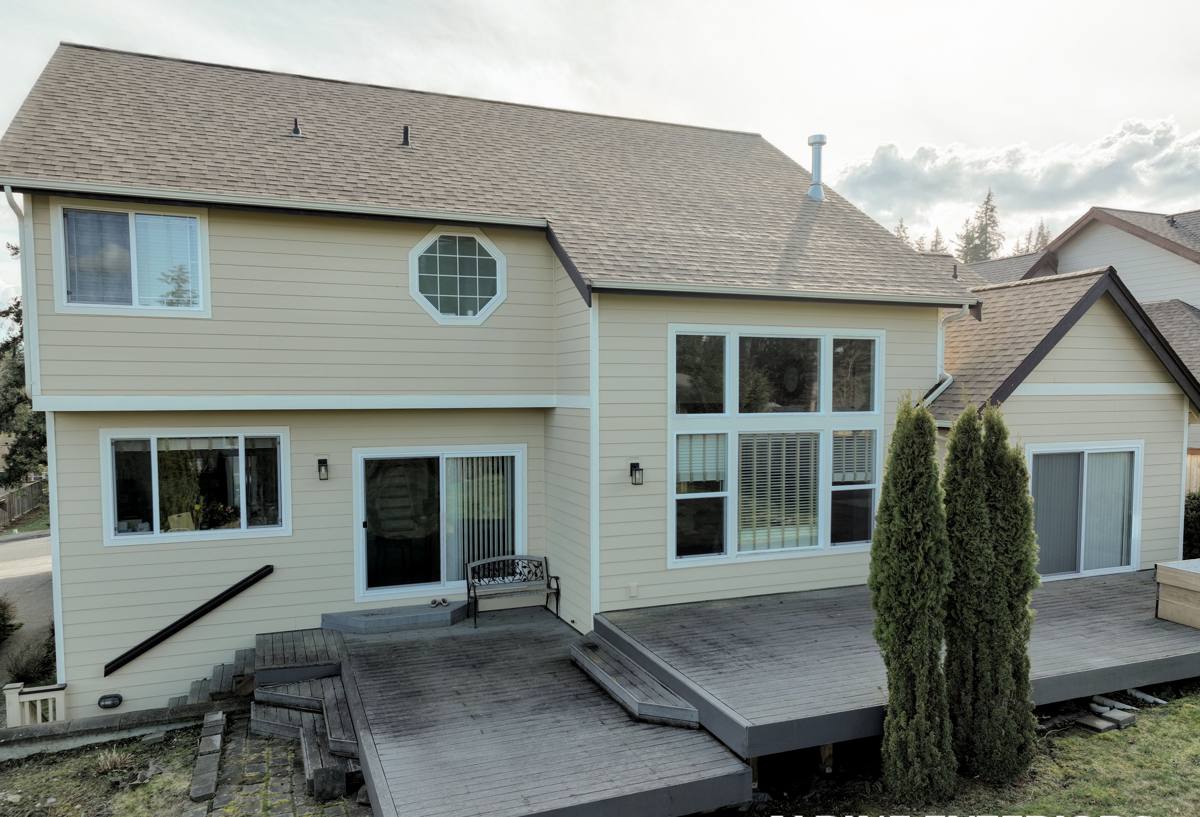
What This Climate Does to Windows Over Time
Florida's Gulf Coast climate isn't gentle on building materials, and windows sit right at the boundary between conditioned indoor air and everything outside. A few things stand out in St. Petersburg specifically.
UV and Heat
Florida gets more sun exposure than almost anywhere else in the country. That constant UV load breaks down window seals, discolors vinyl frames, and can degrade low-E coatings on older glass faster than manufacturers advertise. Heat also drives energy costs — an aging, poorly sealed window is one of the biggest silent contributors to a high summer cooling bill.
Humidity and Wind-Driven Rain
Afternoon storms in this area don't just rain down, they blow sideways. Wind-driven rain finds any gap in flashing, caulking, or a warped frame and pushes water into the wall cavity, not just the window opening. Once moisture gets behind a window, it can sit there for months before anyone notices — showing up later as stained drywall, soft framing, or mold.
Salt Air
Being close to the coast, Bartlett Park homes are exposed to airborne salt that accelerates corrosion on hardware, screws, and aluminum components. Fasteners and hardware that would last decades inland can start failing much sooner here if they weren't rated for coastal exposure to begin with.
Hurricane and High-Wind Events
Windows are a structural weak point during a windstorm. A window that fails — whether from wind pressure or flying debris — doesn't just break glass, it can pressurize the whole house and take part of the roof with it. This is the single biggest reason window selection and installation quality matter more here than in most parts of the country.
Signs a Bartlett Park Home Needs New Windows
Not every window problem means a full replacement, but these are the signs worth taking seriously:
- Visible fog or moisture between double-pane glass (a failed seal)
- Windows that are difficult to open, close, or lock — often a sign of frame warping
- Soft or discolored drywall, trim, or framing near a window
- Drafts or a noticeable temperature difference near the window when the AC is running
- Chalky, cracking, or brittle vinyl or wood frames
- Rusted or corroded hardware, hinges, or screws
- A noticeable jump in cooling costs with no other explanation
- Single-pane glass with no impact rating, especially if the home hasn't been updated since the original build
Any one of these can usually wait for a scheduled estimate. Several at once, or visible water intrusion, is worth addressing sooner rather than later.
What a Correct Window Installation Actually Involves
Window installation looks simple from the outside — old window out, new window in — but the quality of the work is almost entirely in details that aren't visible once the job is done.
Removal and Opening Inspection
Every installation starts with removing the old unit and inspecting the rough opening underneath. This is the point where hidden water damage, rotted framing, or prior flashing mistakes get found. Skipping this step and simply reinstalling into a compromised opening is how new windows end up with the same leaks as the old ones within a year or two.
Flashing and Water Management
Proper flashing directs any water that gets past the window itself back out of the wall, rather than letting it pool inside the framing. Given how much wind-driven rain this area sees, flashing detail is not optional — it's the difference between a window that stays dry for twenty years and one that quietly rots the wall around it.
Fastening and Structural Anchoring
Impact-rated and high-wind-zone windows are only as strong as their anchoring. That means the correct fastener type, spacing, and embedment into structural framing — not just enough screws to hold the unit in place during install. This is one of the most common places corners get cut on a rushed job, and it's invisible once trim goes back on.
Sealing and Finish
Interior and exterior sealant, backer rod where needed, and proper insulation around the frame all affect both energy performance and long-term water resistance. Rushed caulk jobs are a common cause of "new window, old leak" complaints.
Choosing the Right Window for This Climate
There's no single "best" window for every home — the right choice depends on the home's age, exposure, and budget. Frame material is usually the first decision point.
| Frame Material | Maintenance | Coastal/Salt Air Performance | Typical Cost Position |
|---|---|---|---|
| Vinyl | Low — no painting, won't rust | Good; resistant to salt corrosion | Lower to mid-range |
| Aluminum | Moderate — can corrode without coastal-rated hardware | Fair unless properly coated/finished | Mid-range |
| Fiberglass | Low — very stable, minimal expansion/contraction | Excellent; highly resistant to moisture and corrosion | Higher |
| Wood (clad) | High — needs upkeep on exposed wood surfaces | Poor without careful cladding and maintenance | Higher |
Glass package matters as much as frame material. Impact-rated glass (laminated glass bonded with an interlayer) is built to stay intact under wind pressure and debris impact, which also happens to improve noise reduction and UV blocking as a side benefit. Low-E coatings help control heat gain, which matters for both comfort and cooling costs in a climate that runs hot most of the year.
Impact Ratings, Wind Requirements, and Permits
St. Petersburg falls within Florida's wind-borne debris region under the Florida Building Code, which means most window replacements in Pinellas County need to either use impact-rated glass or be paired with approved storm protection, and the specific requirement depends on the home's exact wind zone and elevation. Window replacement in this area also typically requires a permit and inspection — it's not just a courtesy step, it's what confirms the installation meets code for wind resistance and water management. A contractor who avoids permits, or tells you it isn't necessary, is cutting a corner that can cause real problems with insurance or resale down the line.
Our Process From Estimate to Final Walkthrough
1. On-Site Assessment
We look at each window opening individually — age, condition, sizing, and any signs of existing water or structural issues — rather than quoting off a generic template.
2. Product Selection
We walk through frame material, glass package, and impact rating options based on the home's exposure and the homeowner's budget and priorities, with no pressure toward the most expensive option.
3. Permitting
We handle the permit application and scheduling of required inspections so the job is documented and code-compliant from the start.
4. Installation
Old windows come out, openings get inspected and repaired if needed, and new units go in with proper flashing, anchoring, and sealing — not just a fast reinstall.
5. Final Walkthrough and Inspection
We walk the finished work with the homeowner, confirm every window operates correctly, and coordinate the final inspection to close out the permit.
Why a Crew That Works Bartlett Park Regularly Matters
Every neighborhood in St. Petersburg has its own mix of home ages, construction styles, and common trouble spots, and a crew that regularly works in and around Bartlett Park has already seen the recurring issues specific to homes of this vintage and area — things like typical original window sizing, common framing conditions, and what the local permitting office actually wants to see on an application. That familiarity shortens the estimate-to-permit-to-install timeline and reduces the odds of surprises once a window comes out and the opening is exposed. It also means a shorter drive for warranty visits or follow-up service, which matters more than it sounds like when a storm is in the forecast and you need someone who can actually get to you.
Cost Factors Worth Understanding
Window installation pricing varies by home, but a few factors consistently move the number:
| Factor | Why It Affects Cost |
|---|---|
| Impact rating vs. standard glass | Impact-rated laminated glass costs more than standard insulated glass but reduces or eliminates the need for separate shutters |
| Frame material | Vinyl is generally the most budget-friendly; fiberglass and clad-wood run higher |
| Opening condition | Rotted or damaged framing found during removal adds repair scope beyond the window itself |
| Window size and configuration | Larger openings, custom shapes, or operable styles (casement, sliding, picture) price differently |
| Number of windows | Full-home replacements typically bring a better per-window price than one-off replacements |
We provide itemized, written estimates so homeowners can see exactly what's driving the price before agreeing to anything.
Get a Free Estimate
If you're weighing whether it's time to replace windows on your Bartlett Park home, we're happy to take a look and give you an honest read on condition, options, and cost — no pressure, no obligation. Use the form below to request a free estimate and we'll get back to you to schedule a time that works.