 St. Petersburg
 The Climate Bartlett Park Windows Are Up Against
Bartlett Park sits in south St. Petersburg, close enough to Tampa Bay and the Gulf that its homes feel the full range of what Pinellas County weather can do. Summers bring long stretches of intense, direct UV that breaks down seals and fades interior finishes. Afternoon storms push wind-driven rain sideways against west- and south-facing glass. And even homes a mile or two from open water pick up salt air that slowly corrodes hardware and pits untreated aluminum frames. Add in the risk of hurricane-force gusts during the June-through-November season, and it's clear that windows here are doing a lot more work than windows in most parts of the country.
Older single-pane or early-generation double-pane windows in this neighborhood — many installed decades ago on the area's mix of bungalows, ranch homes, and mid-century builds — were never engineered for this combination of heat, humidity, and storm exposure. The result shows up as higher cooling bills, fogged glass, swollen or sticking sashes, and in some cases, real vulnerability during a named storm.
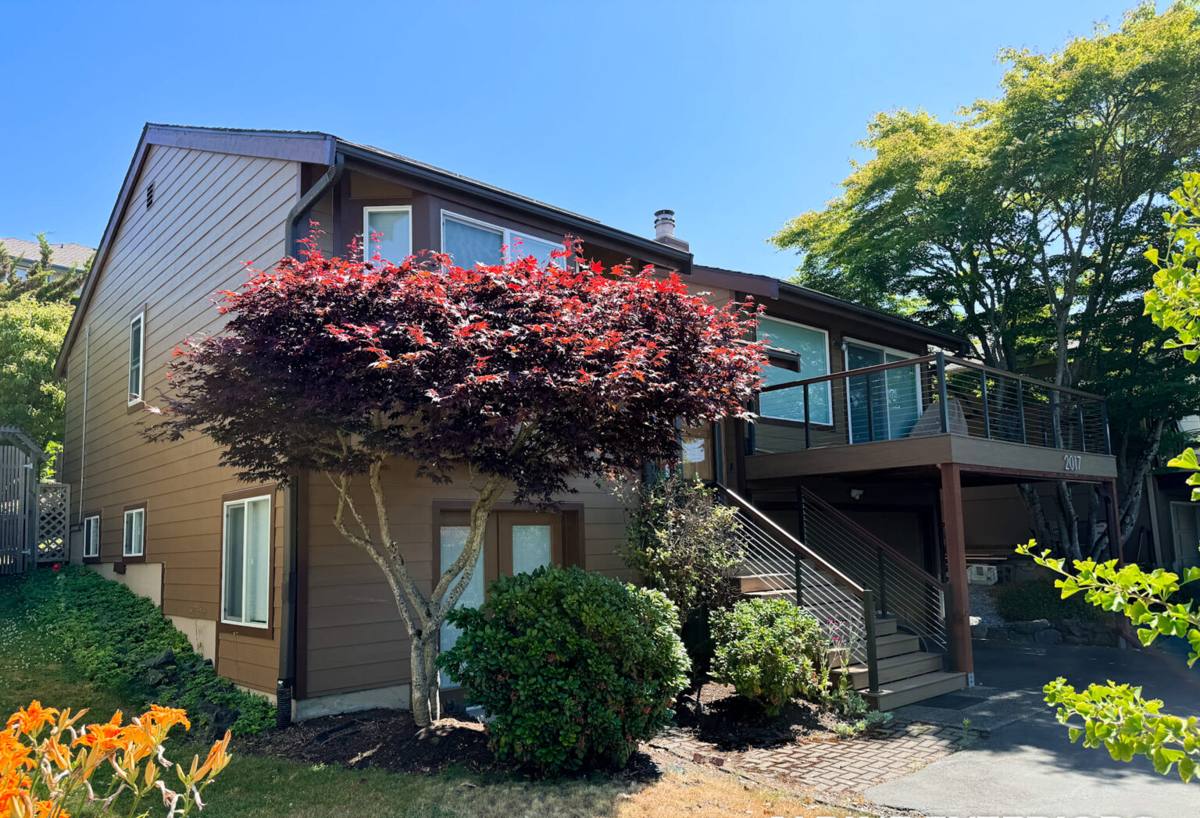
What "Energy-Efficient" Actually Means for a Florida Window
The phrase gets used loosely, but for a home in this climate it has a specific, measurable meaning. Two numbers matter most:
U-Factor and Solar Heat Gain Coefficient
U-Factor measures how much heat passes through the window — lower is better for keeping conditioned air where it belongs. Solar Heat Gain Coefficient (SHGC) measures how much of the sun's heat the glass lets in. In St. Petersburg, where the cooling season runs most of the year, a low SHGC matters just as much as a low U-Factor, because the bigger cost driver here is heat gain, not heat loss. A window rated for a cold-climate market often isn't optimized for a Gulf Coast one, even if it carries an ENERGY STAR label.
Impact-Rated Glass and Frame Construction
In this part of Pinellas County, energy efficiency and storm protection usually get addressed together, because they involve the same glass package. Laminated, impact-rated glass — two panes bonded around an interlayer — resists windborne debris and also does a good job blocking UV and reducing noise. Paired with a well-sealed, reinforced frame, it cuts air infiltration, which is one of the biggest hidden sources of energy loss in older Florida homes.
Signs Your Current Windows Are Working Against You
- Glass feels warm to the touch on the inside during the afternoon, even with the AC running
- Sashes are difficult to open, close, or lock — frames have swollen or warped
- Fogging or a milky haze between panes on double-pane units (a sign the seal has failed)
- Visible daylight or a draft around the frame when the window is closed and locked
- Rising cooling bills without a clear change in usage habits
- Fading carpet, furniture, or flooring near south- or west-facing windows
- Chalky or pitted aluminum frames from years of salt-air exposure
Any one of these on its own might just mean a repair. Several together usually mean the windows have reached the point where replacement is the more honest recommendation — repairing a failed seal or a warped frame is often a short-term fix on a window that's already at the end of its service life.
Frame and Glass Options: What Fits This Climate
There's no single "best" window for every house — it depends on the home's exposure, the homeowner's budget, and how long they plan to stay. Here's how the common frame materials compare for a home in Bartlett Park's climate:
| Frame Material | Coastal/UV Durability | Maintenance | Typical Trade-Offs |
|---|---|---|---|
| Vinyl | Good — won't corrode; UV-stable formulations resist yellowing | Low | Limited color range; can expand/contract more in extreme heat cycles |
| Fiberglass | Very good — dimensionally stable, resists warping and salt corrosion | Low | Higher upfront cost than vinyl |
| Aluminum | Fair — strong but prone to pitting/corrosion near salt air unless properly coated | Moderate | Conducts heat more than vinyl or fiberglass unless thermally broken |
| Wood/Wood-Clad | Poor to fair without diligent upkeep — humidity and rain exposure are hard on exposed wood | High | Best appearance for historic-style homes, but real maintenance commitment |
For most homes in this neighborhood, we steer people toward vinyl or fiberglass with impact-rated, Low-E coated glass. Aluminum still has its place on some architectural styles, but it needs a thermally broken frame and a good marine-grade finish to hold up long-term this close to the water. Wood-clad windows can look great, but we're upfront that they demand more attention than most homeowners want to give a window in this humidity.
Getting the Installation Right — Where Most Problems Actually Start
The glass package gets the attention, but in our experience most window failures in Florida homes trace back to installation, not the product itself. A correct job includes:
- Removing the old window down to the rough opening and inspecting the framing and sill for hidden rot or water damage before anything new goes in
- Flashing and sealing the opening properly so wind-driven rain can't get behind the new frame
- Shimming and fastening to the manufacturer's specified pattern — not just a few screws where it's convenient
- Using the correct sealant and backer rod, not just a bead of caulk over gaps
- Verifying the unit is square and level before final fastening, so the sash operates and seals correctly for years, not just on day one
Skip any of these steps and you can end up with a window that looks fine but leaks air, lets water intrude during the next heavy rain, or fails structurally in a storm despite having a high impact rating on paper. The rating on the glass is only as good as the installation around it.
Our Process for a Bartlett Park Window Project
- On-site assessment. We look at each window individually — sun exposure, current condition, frame material, and how the home is oriented relative to prevailing wind and rain — rather than quoting a one-size package.
- Product recommendation. We walk through frame and glass options based on your budget, the window's exposure, and whether storm protection is a priority alongside energy performance.
- Permitting. Window replacement in St. Petersburg requires a permit, and impact-rated products need to meet Florida Building Code wind-load requirements for the property's specific wind zone. We handle the permit process rather than leaving it to the homeowner.
- Installation. Old units are removed, openings are inspected and repaired if needed, and new windows are set, flashed, sealed, and fastened to spec.
- Final inspection and walkthrough. We confirm proper operation on every window and make sure the finished work passes the required city inspection.
Permits, Wind Zones, and Why That Matters Here
Pinellas County's building requirements exist because coastal Florida homes genuinely need them — the wind loads a window has to resist depend on the property's location and exposure category, and code minimums have gotten more demanding over the years, especially post-storm. A window that's technically "impact-rated" isn't automatically approved for every home; it has to be rated for the specific wind pressures that property is exposed to. Cutting corners on permitting doesn't just risk a fine — it can create real problems at resale, when a buyer's inspector or the county can't verify the work was done to code.
Choosing the Right Windows for Your Home: A Practical Checklist
- Know your home's wind zone and whether your current windows are already rated for it
- Prioritize a low SHGC rating for any window that gets direct afternoon sun
- Ask whether the glass package is laminated/impact-rated or relies on separate shutters for storm protection
- Compare warranty structure between frame, glass, and labor — they're often covered separately
- Factor in maintenance realism, not just upfront cost — a cheaper frame that needs attention every year isn't necessarily the better long-term value
- Confirm the installer pulls permits and schedules the required inspection
Why Local Experience in Bartlett Park Matters
A crew that regularly works in this part of St. Petersburg already knows the housing stock — the common window openings on the neighborhood's older bungalows and ranch homes, the way certain streets sit more exposed to wind, and what the county inspectors actually look for at final walkthrough. That familiarity shortens the project: fewer surprises when an old rough opening isn't quite standard size, fewer back-and-forths with the permitting office, and a realistic read on which product tier actually makes sense for your specific house rather than a generic upsell. It also means someone is genuinely local if a warranty question comes up down the road, instead of a name you only see once.
If you're weighing whether it's time to replace your windows, we're happy to take a look and give you a straightforward read on where things stand — no pressure, no inflated urgency. Fill out the form below and we'll set up a free estimate for your Bartlett Park home.